Synths are electronic instruments designed for creating and shaping sound, from classic analogue-style tones to modern digital textures. Used for basslines, leads, pads and experimental sound design, they play a central role in many styles of music. If you enjoy hands-on creativity and exploring new sonic ideas, synths offer a powerful and expressive way to make music.
The Important stuff
8. Modal — Modal is a method of sound generation based on modelling the physical resonances of objects rather than traditional oscillators or samples. It is used to create harmonically rich, expressive sounds that respond naturally to changes in pitch, dynamics, and modulation. For example, modal synthesis can be used to produce bell-like tones, metallic textures, or acoustic-inspired sounds that feel organic while remaining fully controllable in an electronic instrument.
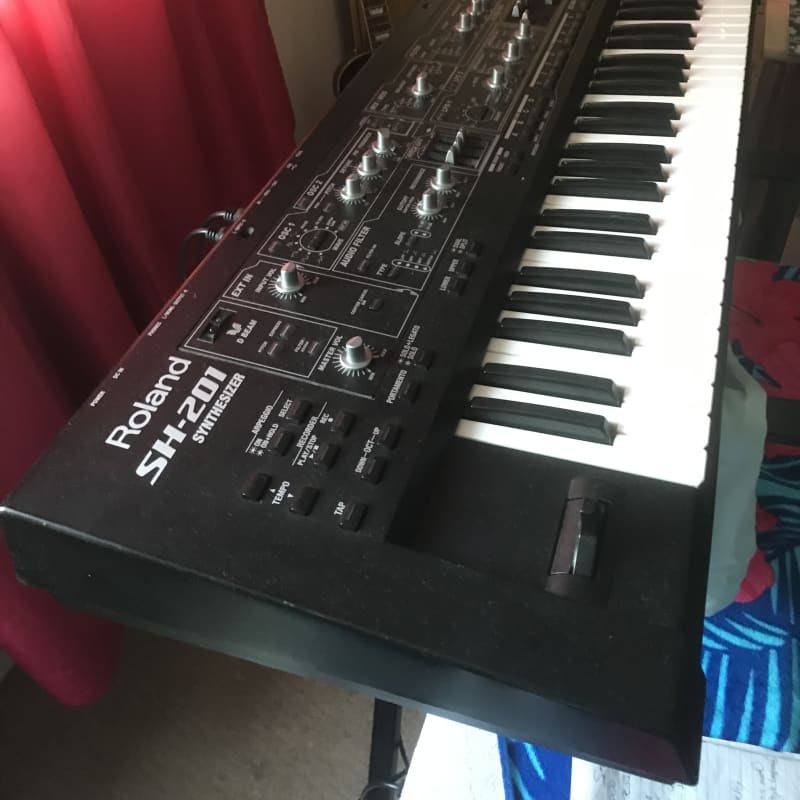
. Synthesizer — A synthesizer is an electronic instrument that generates and shapes sound using oscillators, filters, envelopes, and modulation sources. It allows sounds to be created from scratch, altered in real time, and controlled through keys, sequencers, or external controllers. Synthesizers are used to produce everything from basses and leads to pads, textures, and experimental sound design in both studio production and live performance.. Used — Synth for Sale has over 1000 used synths and gear like that for sale. We bring these products to you via our trusted partners, retailers and direct with independent sellers in the UK. . Voice — A voice is a single complete sound path within an instrument, typically made up of an oscillator, filter, amplifier, and modulation. It determines how many notes can be played at once and how each note is shaped. For example, an instrument with multiple voices can play chords and layered parts, while each voice handles the sound of one note independently.
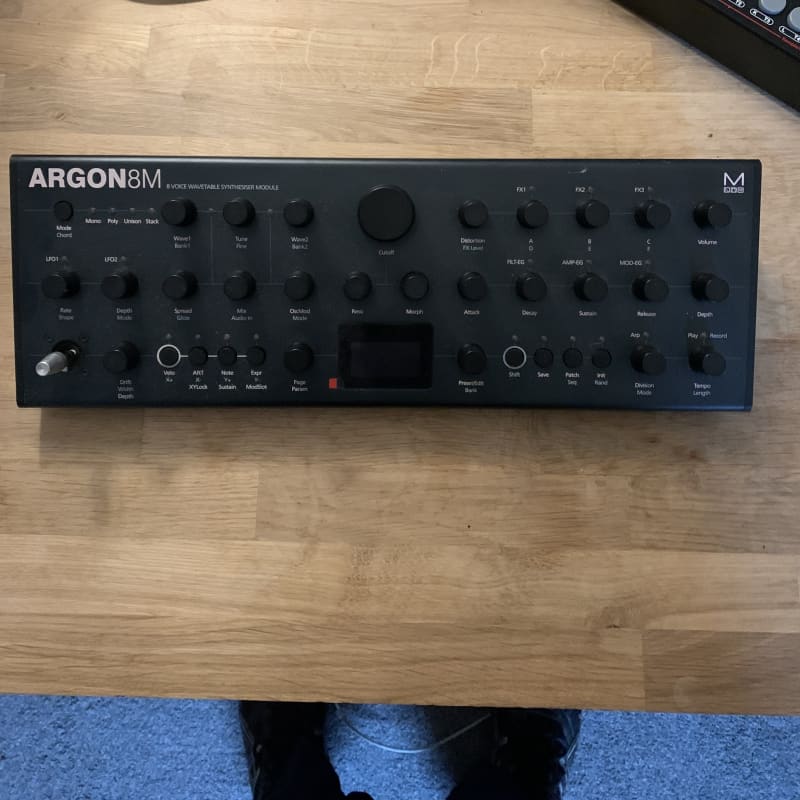
. Wavetable — Wavetable is a method of sound generation that uses a collection of digital waveforms stored in tables. It is used to create evolving and complex tones by smoothly scanning or switching between different wave shapes. For example, wavetable synthesis can be used to produce moving pads, shifting basses, or textured leads that change character over time.
.