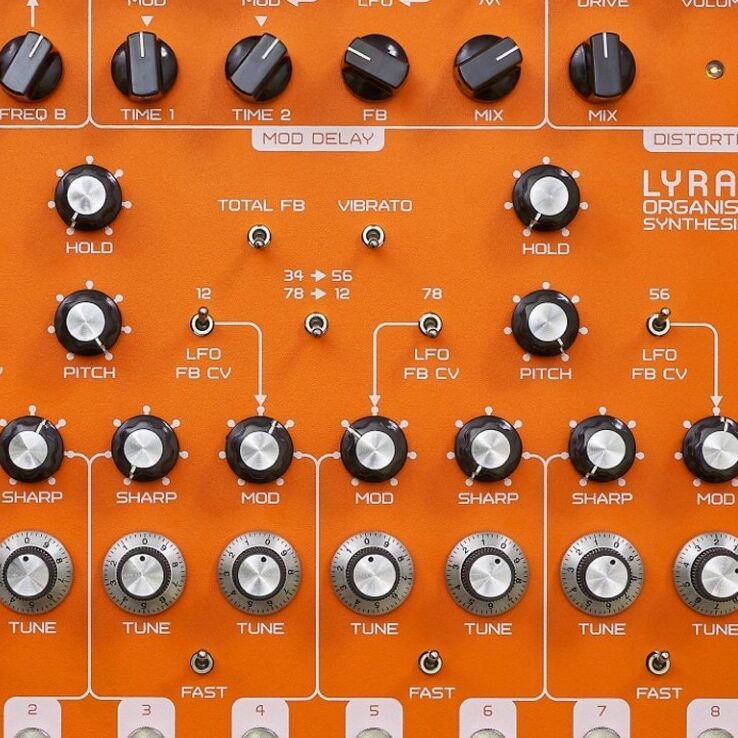
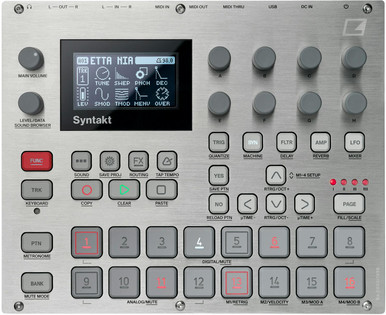
Digital synths use digital signal processing to generate and shape sound, offering a wide palette that can range from classic synth tones to complex, modern textures. They are valued for their flexibility, stability and features such as presets, modulation options and integration with studio and live setups. If you enjoy exploring sound design with precision and versatility, digital synths provide powerful tools for creativity across many styles of music.
Keyboards and pianos cover a wide range of instruments designed for learning, creativity and performance. From portable keyboards with built-in sounds and rhythms to full digital pianos with weighted keys and authentic feel, they suit beginners and experienced players alike. Whether you are writing music, practising at home or playing live, keyboards and pianos offer flexible ways to explore melody, harmony and expression.
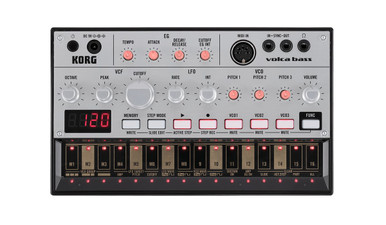
Semi-modular and desktop synths within the synths and workstations category offer hands-on sound design and powerful creative control in compact formats. Semi-modular synths encourage experimentation through patching while remaining playable without a full modular setup, while desktop synths deliver deep synthesis without a built-in keyboard. Combined with workstation-style tools for sequencing and composition, these instruments are ideal if you want flexible, space-efficient ways to design sounds, build patterns and develop complete musical ideas.
The Important stuff
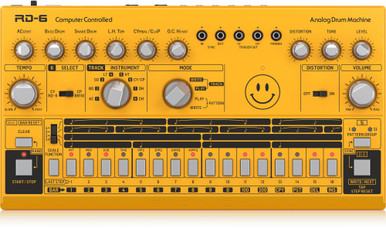
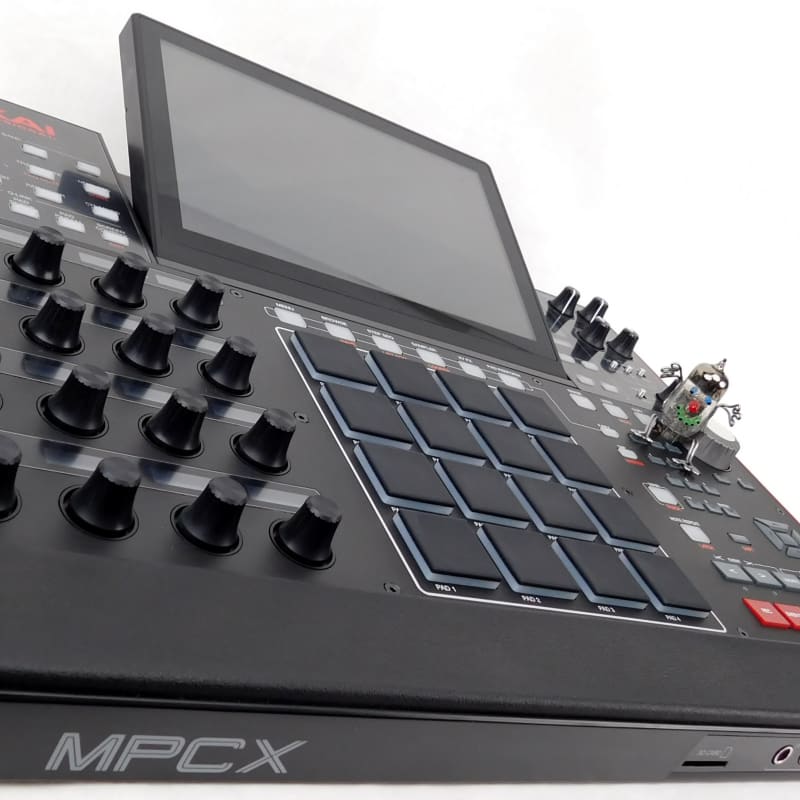
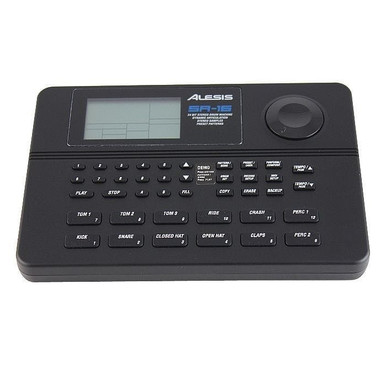
Drum Machine — A drum machine is an electronic instrument designed to create and sequence rhythmic patterns and percussion sounds. It is used to program beats, build grooves, and perform rhythms with precise timing and hands-on control. For example, a drum machine might be used to create a repeating rhythm for a live set or to sketch the foundation of a track before adding melodic and harmonic elements.
. Sequencer — A sequencer is a tool used to record, arrange, and play back musical events in a defined order. It allows notes, rhythms, and parameter changes to be programmed step by step or recorded in real time, creating structured patterns and loops. Sequencers are used to keep multiple instruments in sync, build evolving arrangements, and automate movement within a sound. For example, a sequencer might be used to create a repeating bass pattern while gradually changing filter or modulation values to add variation over time.
.