Brand
2hp is a Eurorack modular synthesiser brand known for designing ultra-compact modules that fit into just 2HP of rack space. The company focuses on delivering essential synthesis functions and effects in a minimal footprint, allowing users to build powerful systems without expanding their case size.
2hp modules are popular with modular musicians who value efficiency, portability, and smart use of space. Despite their small size, the modules offer full-featured sound and processing, making them well suited to dense, travel-friendly, and highly optimised Eurorack setups.
Category
Tags
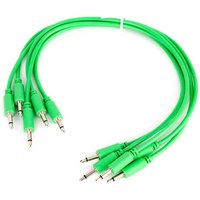
Cables are used to connect instruments, controllers, and equipment so that audio, control signals, and data can be transmitted reliably. They are essential for routing sound, synchronising devices, and enabling communication between hardware. For example, cables are used to connect a synthesiser to speakers, link devices via MIDI or USB, or patch modules together in a modular system.
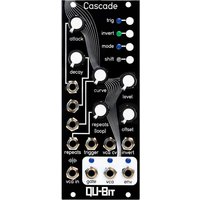
Eurorack is a modular synthesis format with standardised dimensions, power connections, and signal levels. Eurorack systems are built from individual modules mounted in cases, allowing users to create highly customisable instruments tailored to specific sound design and performance needs.
New Gear is unused and in original condition, supplied as it leaves the manufacturer. It is chosen for guaranteed reliability, full functionality, and the assurance of manufacturer support. For example, buying new ensures access to the latest design revisions, included accessories, and official warranty coverage.
A patch is a saved sound setting that defines how an instrument is configured at a given moment. It stores parameters such as oscillator settings, filters, modulation, and effects, allowing sounds to be recalled instantly. For example, a patch might be created for a specific bass or lead sound and then recalled during a performance or reused across multiple tracks in a studio project.
A patch bay is a routing device that allows audio and control signals to be quickly connected and reconfigured without constantly plugging and unplugging equipment. It centralises connections from instruments, processors, and interfaces, making signal flow clearer and easier to manage. For example, a patch bay can be used in a studio to route a synthesiser through different effects or processors simply by changing patch cables, saving time and keeping setups flexible and organised.