Brand
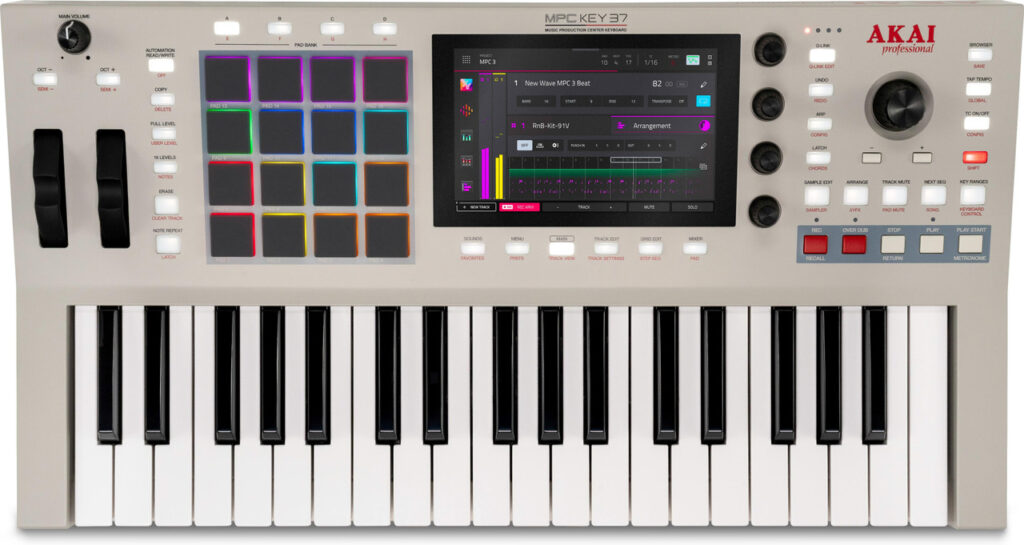
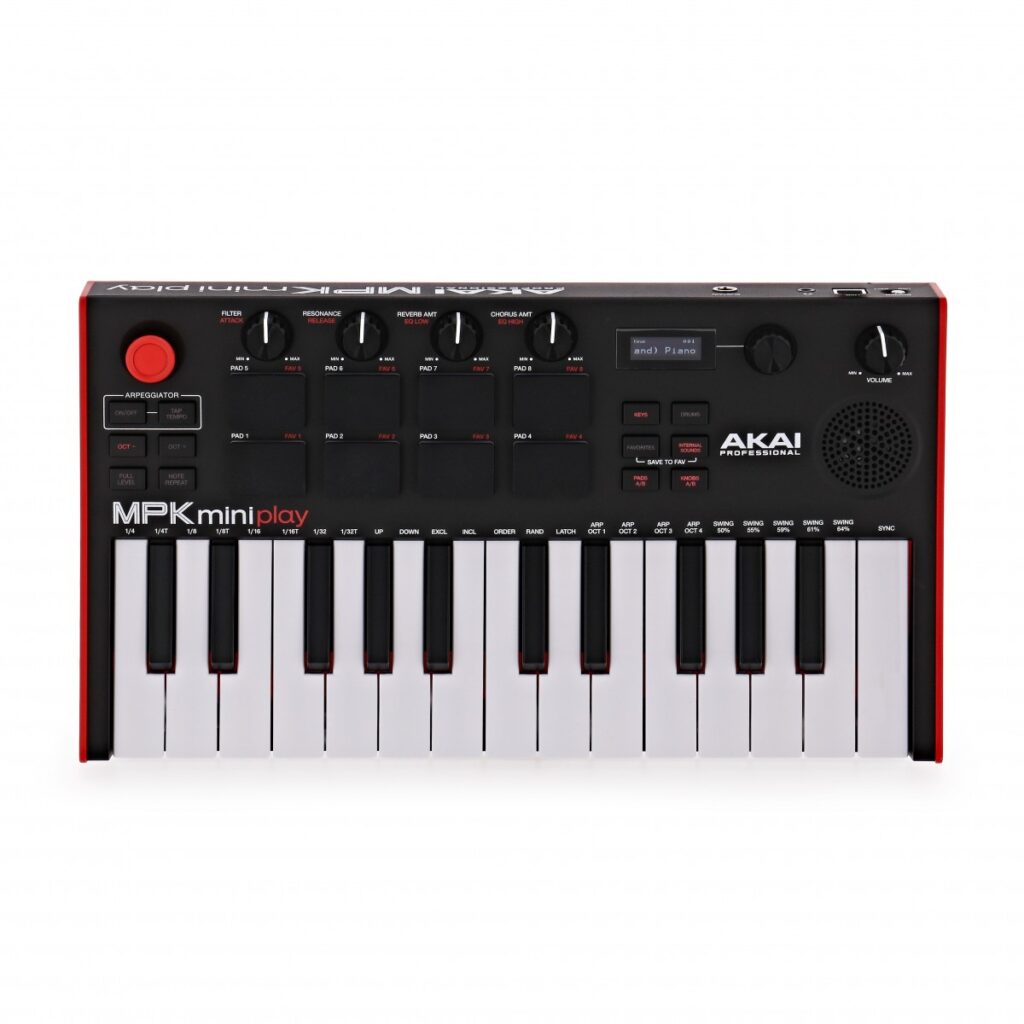
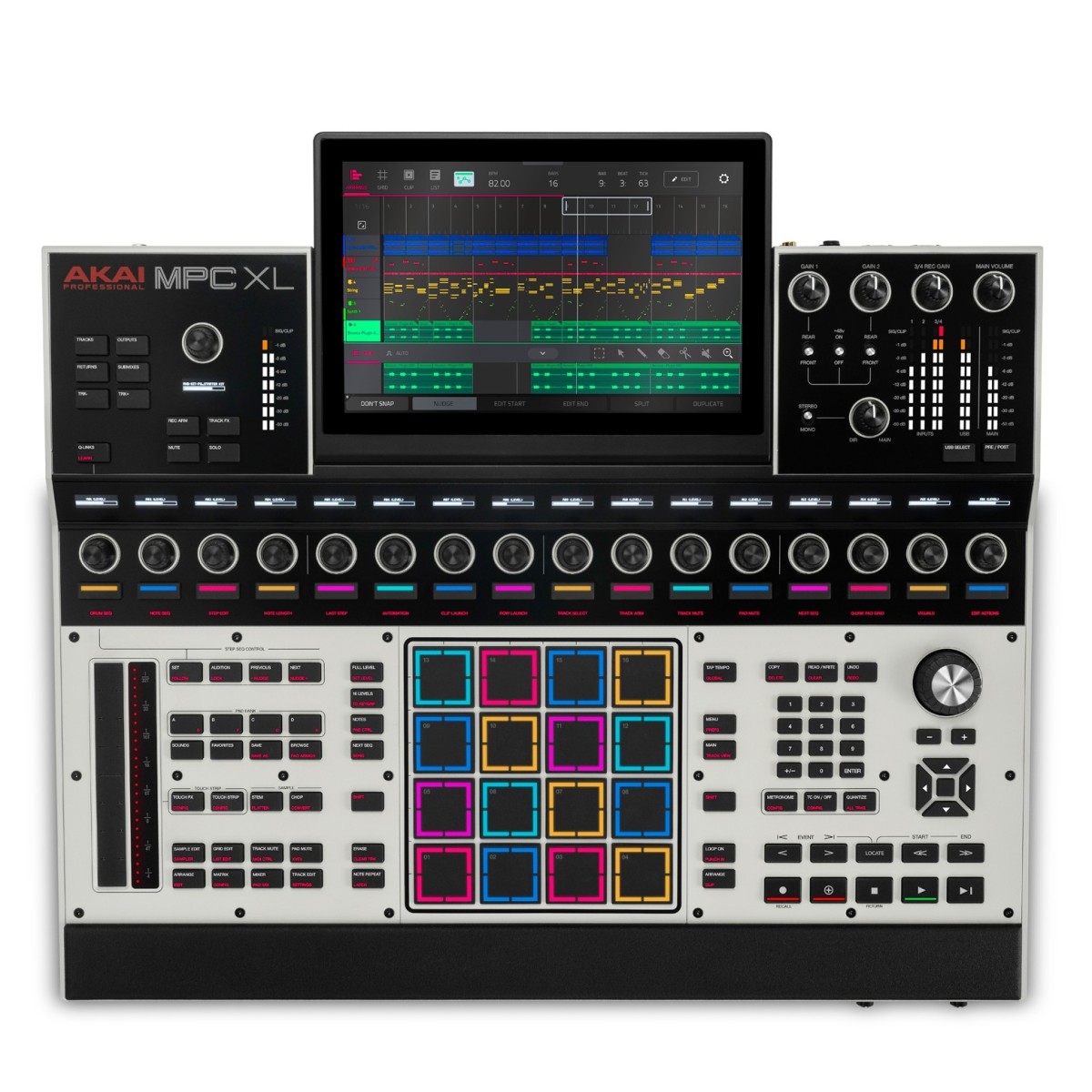
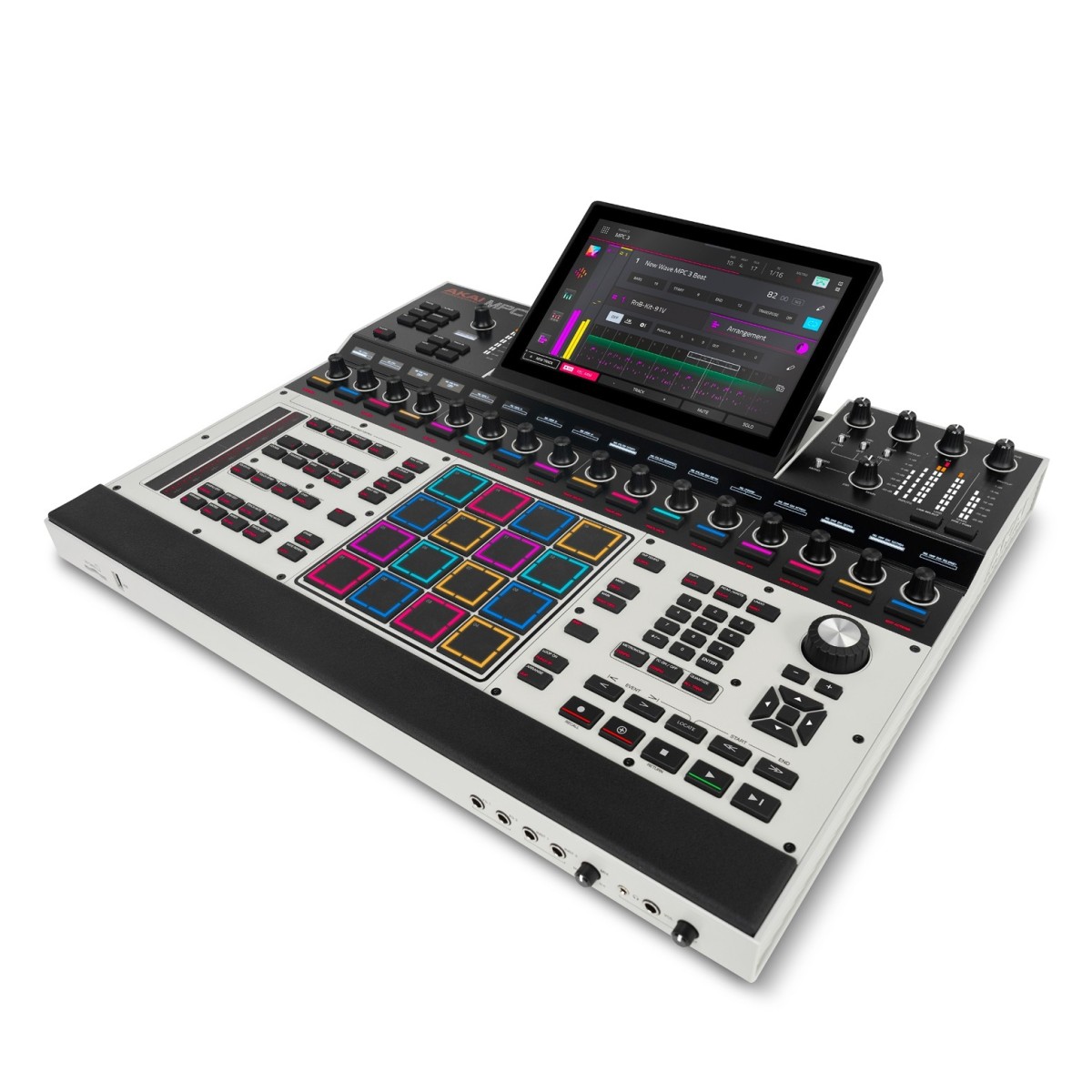
Akai, a Japanese company, made their biggest impact with the MPC series of samplers. The MPC revolutionised hip hop, R&B, and beat-driven music. Modern Akai still make powerful MPC units that combine standalone hardware with DAW integration. They also produce popular controllers like the MPK series. If sampling and beatmaking is your world, Akai’s legacy and present-day gear are second to none.
Category
Drum machines are powerful tools for creating beats, rhythms and grooves, forming the backbone of countless music styles from electronic to hip hop and beyond. Whether analogue, digital or hybrid, they provide a hands-on way to build and control rhythm.
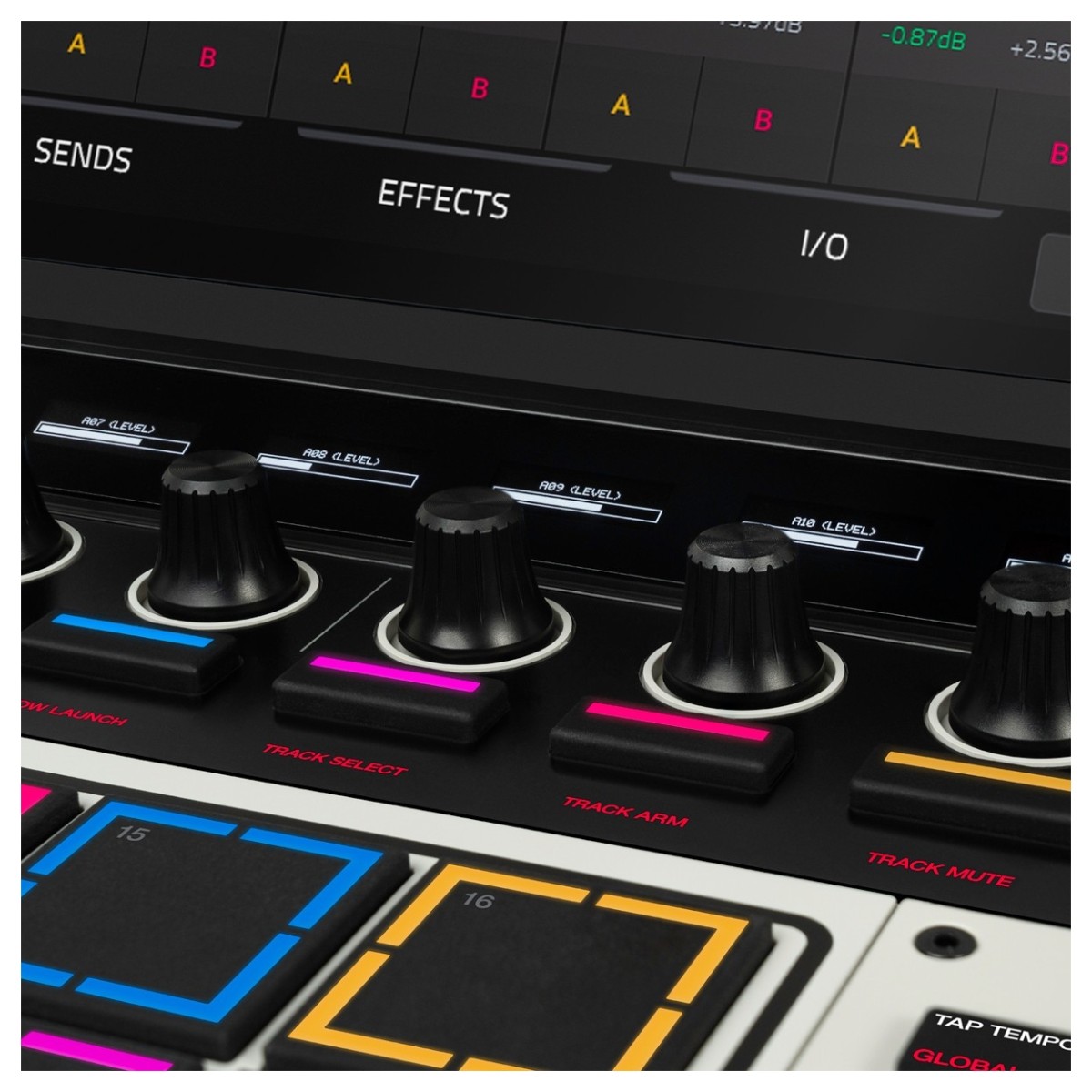
What makes drum machines so exciting is their immediacy and creativity. With step sequencers, pads and real-time controls, you can quickly program patterns, tweak sounds and experiment with timing and feel. Many models also include built-in effects and performance features, making them ideal for both studio production and live use.
Drum machines are simply great — punchy, creative and incredibly fun to use. Whether you’re crafting beats at home or performing live, they offer a powerful and inspiring way to shape your rhythm, and you will not be disappointed.
Tags
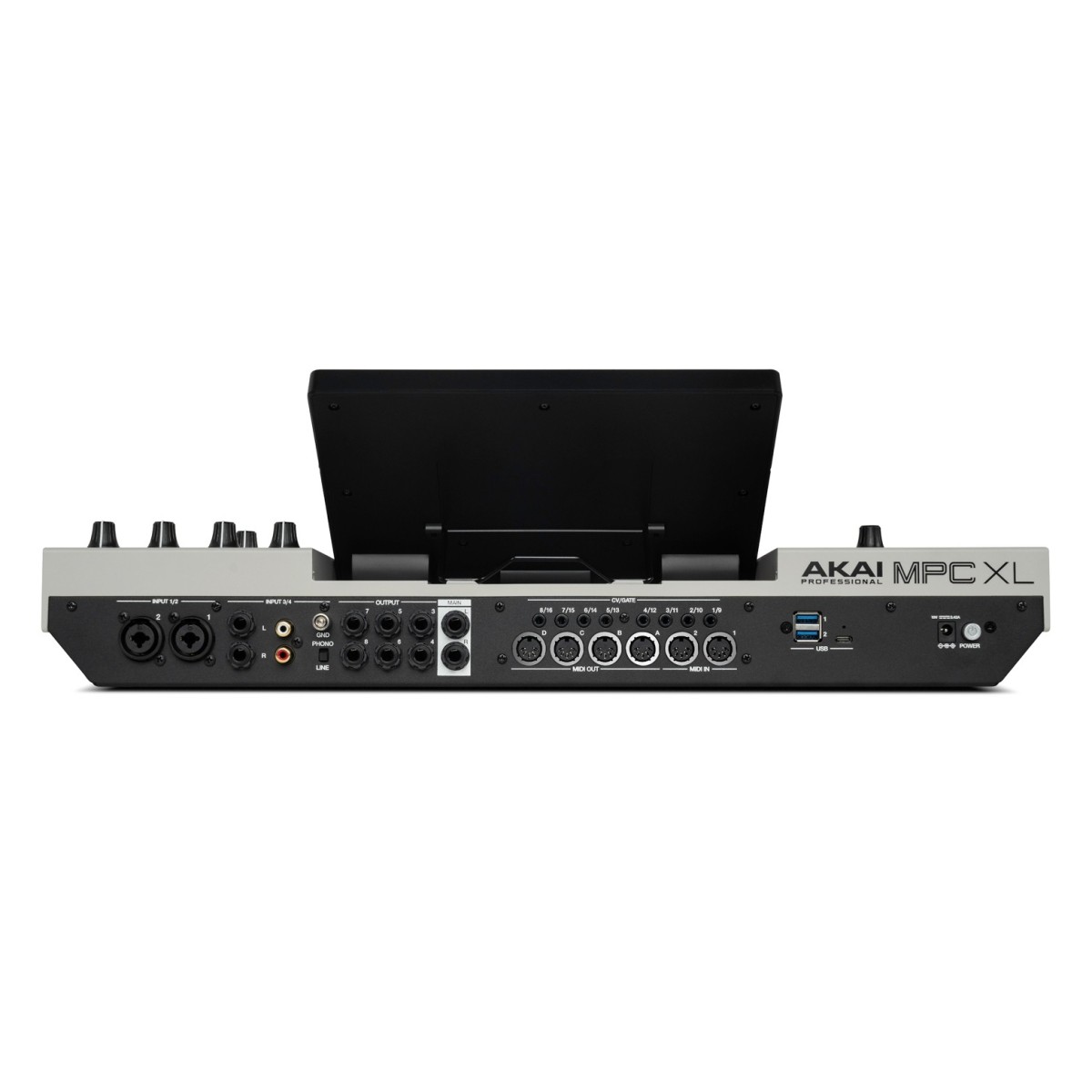
CV is control voltage used to transmit continuous electrical signals between electronic instruments and modules. It allows parameters such as pitch, filter cutoff, amplitude, and modulation to be controlled in a fluid, analogue manner. CV is fundamental to modular and semi-modular systems, enabling direct, real-time interaction between sound sources, controllers, and processors.
A drum machine is an electronic instrument designed to create and sequence rhythmic patterns and percussion sounds. It is used to program beats, build grooves, and perform rhythms with precise timing and hands-on control. For example, a drum machine might be used to create a repeating rhythm for a live set or to sketch the foundation of a track before adding melodic and harmonic elements.
A sampler is an instrument that records, stores, and plays back audio recordings as playable sounds. It allows samples to be triggered, pitched, sliced, and processed, turning recorded material into musical elements. Samplers are widely used for rhythm creation, melodic parts, and sound design in both studio production and live performance.
A sequencer is a tool used to record, arrange, and play back musical events in a defined order. It allows notes, rhythms, and parameter changes to be programmed step by step or recorded in real time, creating structured patterns and loops. Sequencers are used to keep multiple instruments in sync, build evolving arrangements, and automate movement within a sound. For example, a sequencer might be used to create a repeating bass pattern while gradually changing filter or modulation values to add variation over time.
USB is a digital connection used to transfer data and power between instruments, computers, and devices. It enables MIDI communication, software integration, firmware updates, and in some cases power delivery, making setup faster and reducing the need for additional cables or interfaces.