Brand
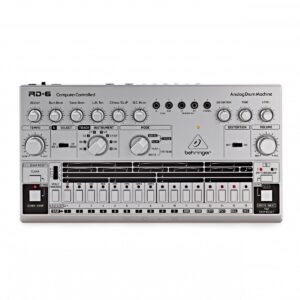
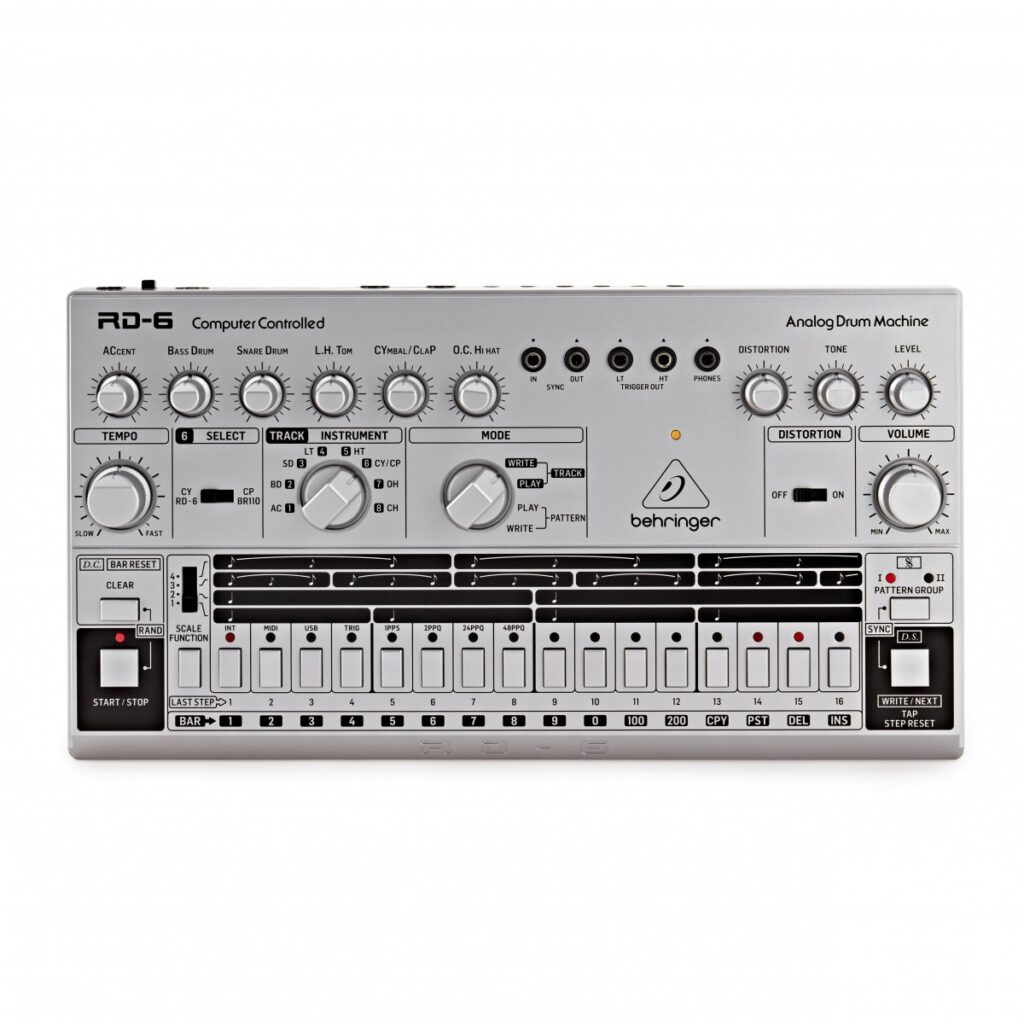
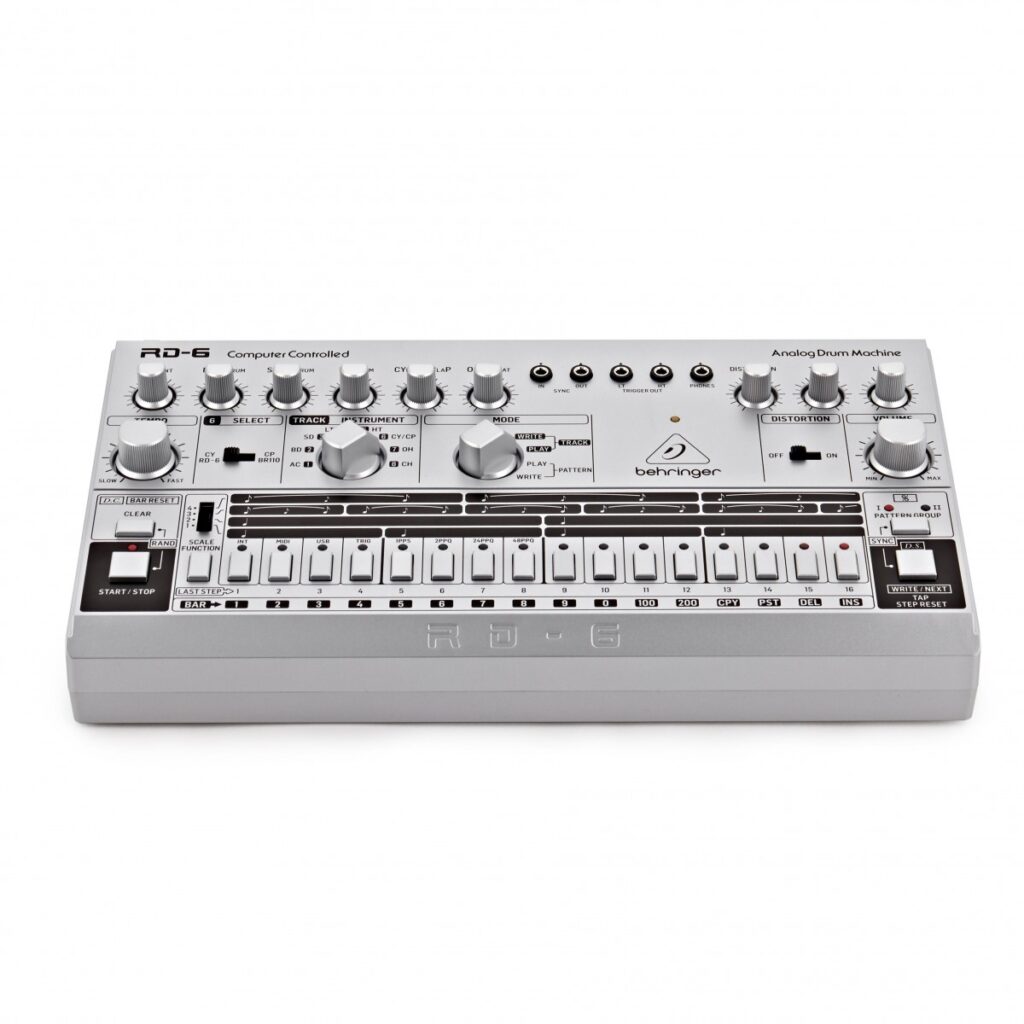
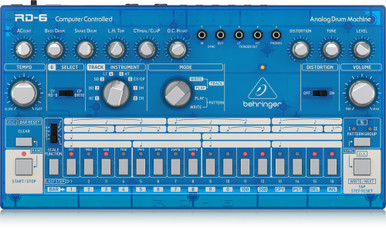
Behringer, founded by Uli Behringer in Germany, is famous for making affordable versions of classic instruments. They’re known for synth and drum machine clones like the RD-8 (808 style) and TD-3 (303 style), as well as the DeepMind synths. By lowering prices, Behringer have democratised access to legendary sounds once out of reach. They also produce mixers, interfaces and studio essentials used worldwide. Whatever your opinion, Behringer gear has enabled countless producers to get started without breaking the bank.
Category
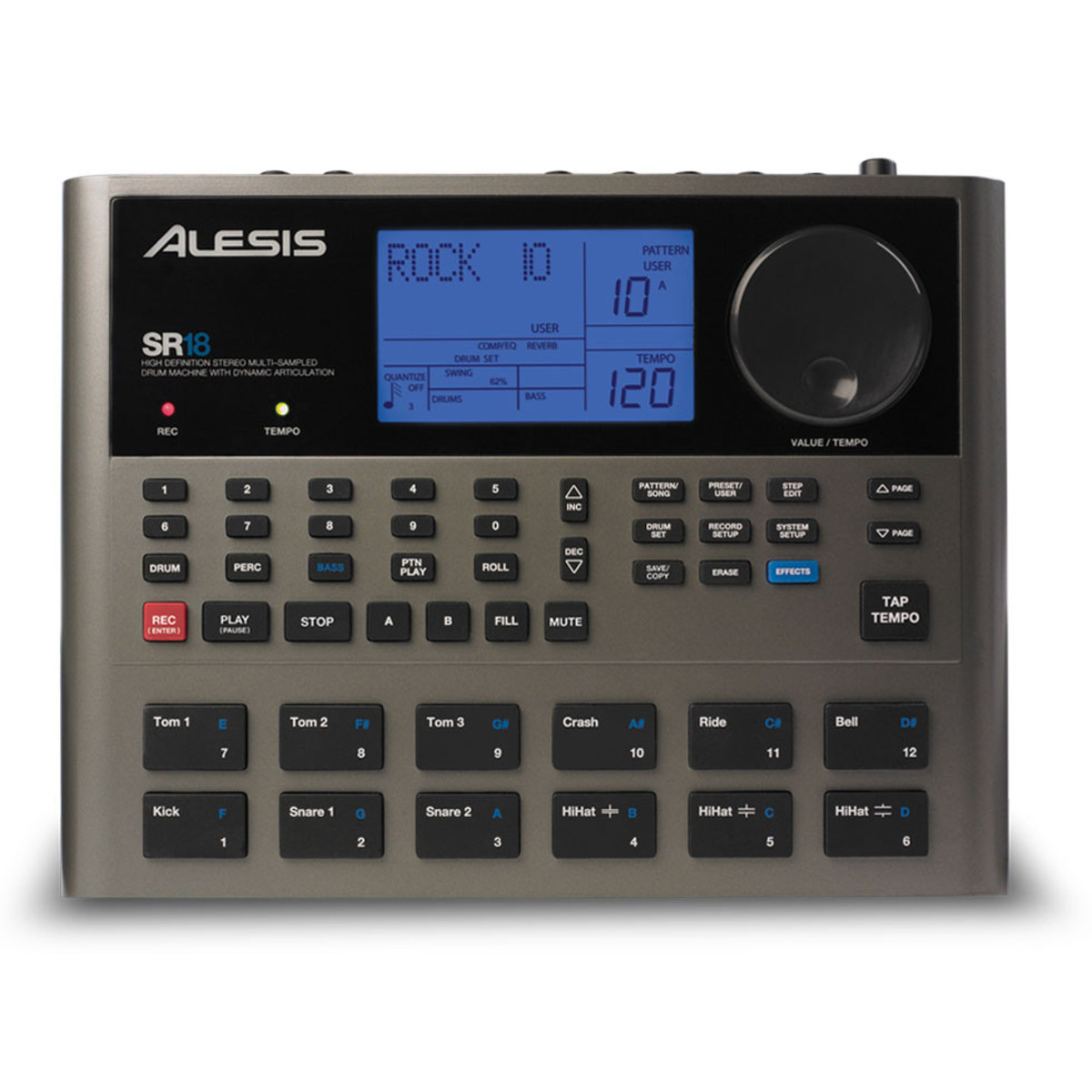
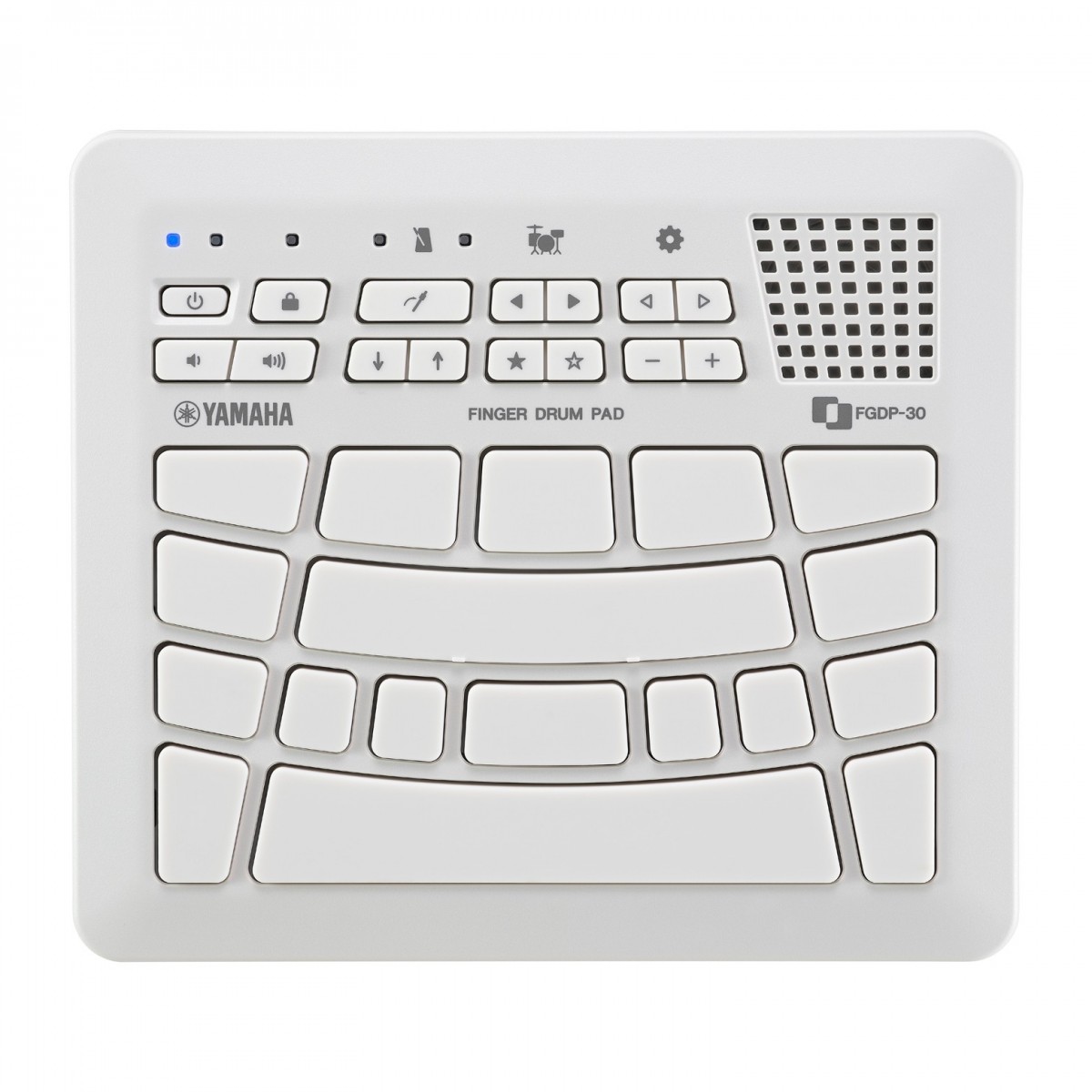
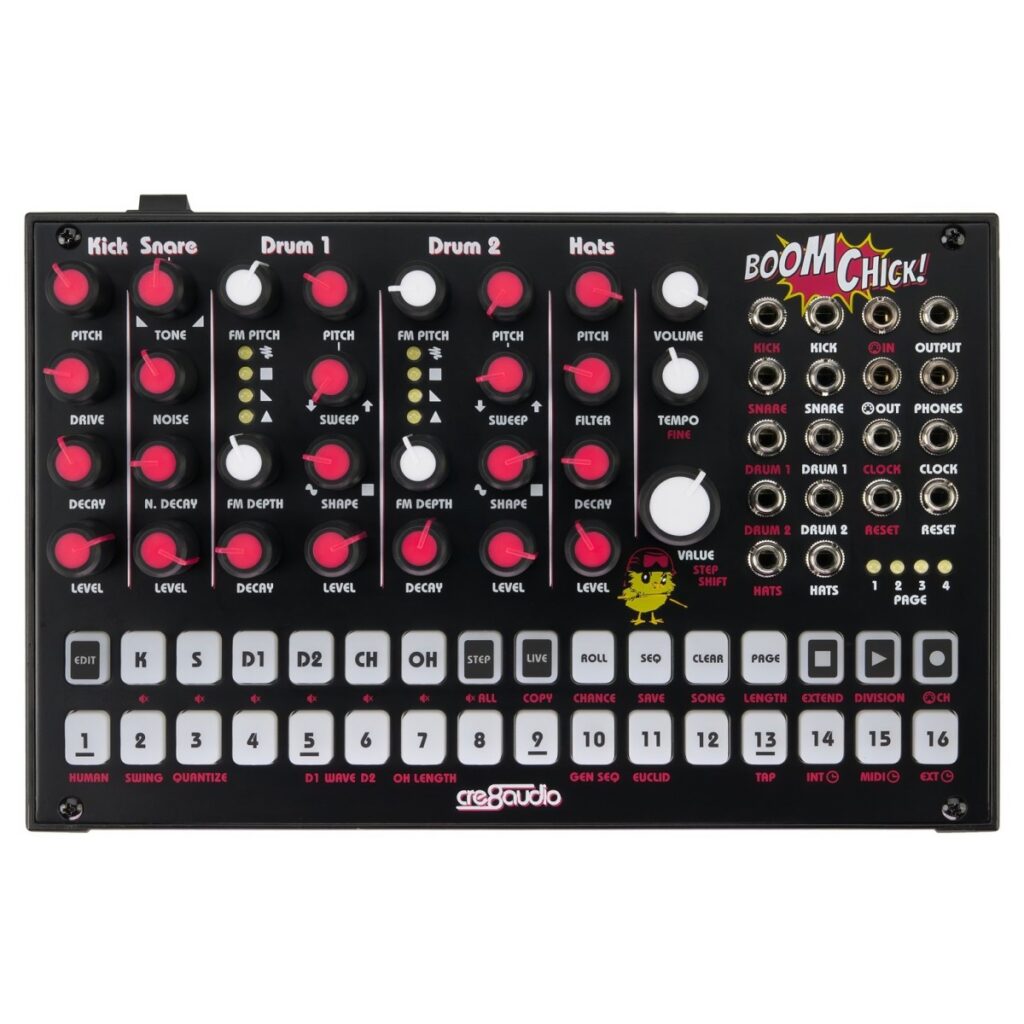
Discover hardware drum machines and rhythm instruments for programming beats, shaping electronic percussion and performing live. Models may use analogue circuits, digital samples, synthesis or a combination of methods. Compare pattern length, sequencing controls, individual outputs, effects, sampling and MIDI or clock synchronisation to choose the right centrepiece for a studio or live setup.
Tags
Products using analogue sound-generation or signal-processing circuitry, also commonly written as analog. Analogue instruments shape continuously varying electrical signals and are often chosen for direct controls, natural variation and a character that responds organically to performance and modulation.
Hardware designed for creating and sequencing electronic drum and percussion patterns. Tagged products may generate sounds through analogue circuitry, digital synthesis, samples or a hybrid design, with different approaches to programming and performance.
Products that send, receive or process Musical Instrument Digital Interface data. MIDI carries performance and control information rather than audio, allowing keyboards, synthesisers, sequencers, computers and other equipment to play and synchronise with one another.
Products with dedicated note, rhythm, MIDI or control-voltage sequencing capabilities. A sequencer records or generates musical events and sends them to internal sounds or connected instruments, often providing step programming, pattern chaining and performance controls.