Brand
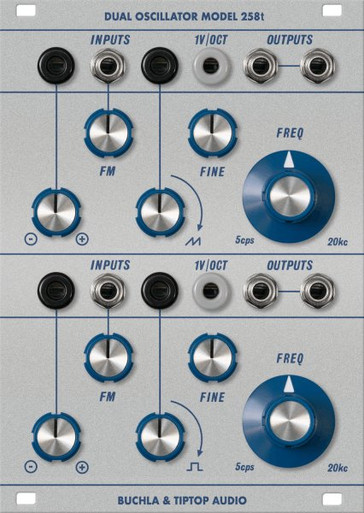
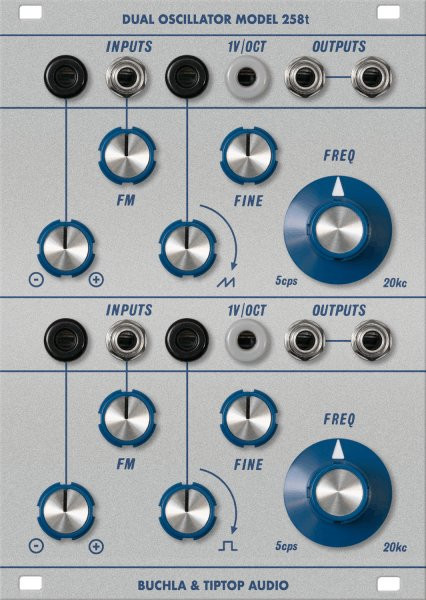
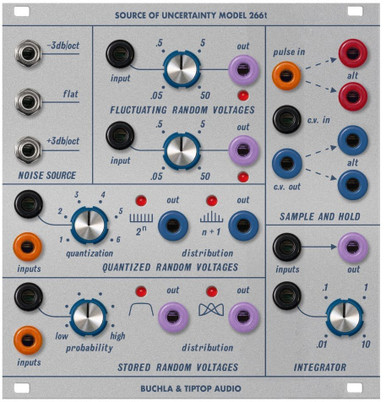
Buchla is an American electronic instrument brand with a legendary status in the history of synthesizers, closely associated with the origins of West Coast synthesis. Founded in the 1960s by Don Buchla, the company took a radically different approach to electronic instruments, prioritising timbre, modulation, and experimental control over traditional keyboard-based design.
Buchla instruments are known for non-standard interfaces, touch plates, complex modulation sources, and an emphasis on evolving, organic sound rather than conventional melodies or presets. Their systems have been used extensively in experimental music, academia, sound art, and avant-garde composition, and they remain influential in modern modular synthesis.
For SynthForSale, Buchla sits at the high-end experimental and modular synthesis category — iconic instruments aimed at musicians and sound designers who want to explore unconventional workflows, generative sound, and the deeper artistic side of electronic music rather than traditional performance synthesis.
Category
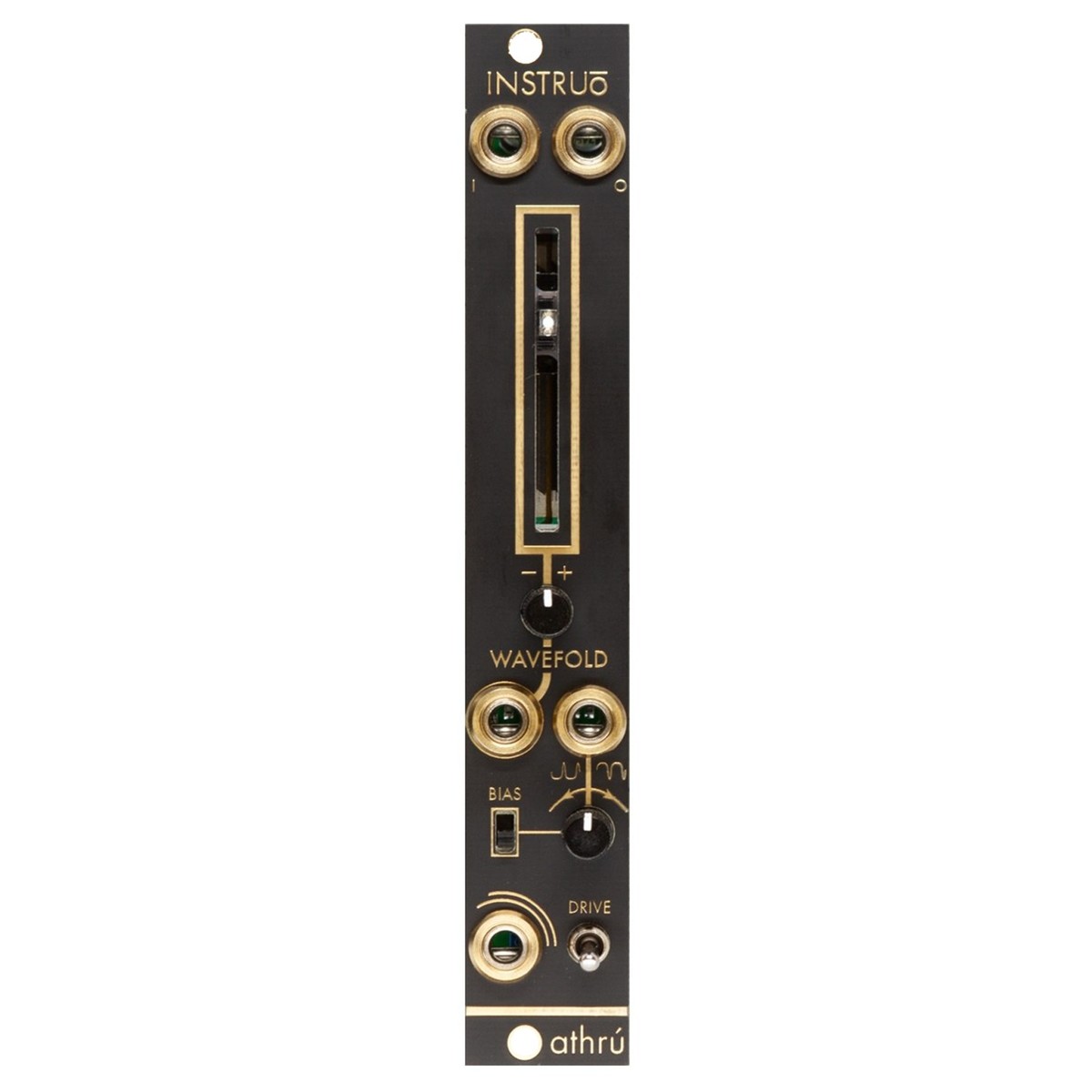
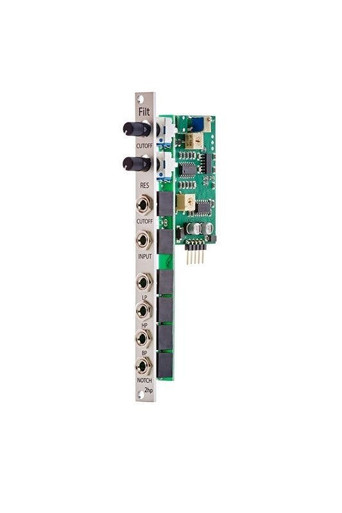
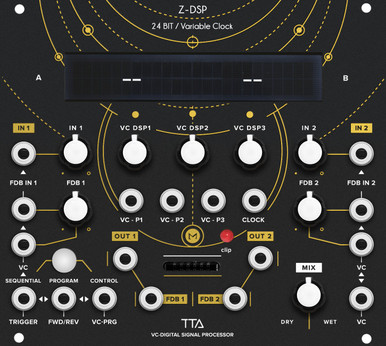
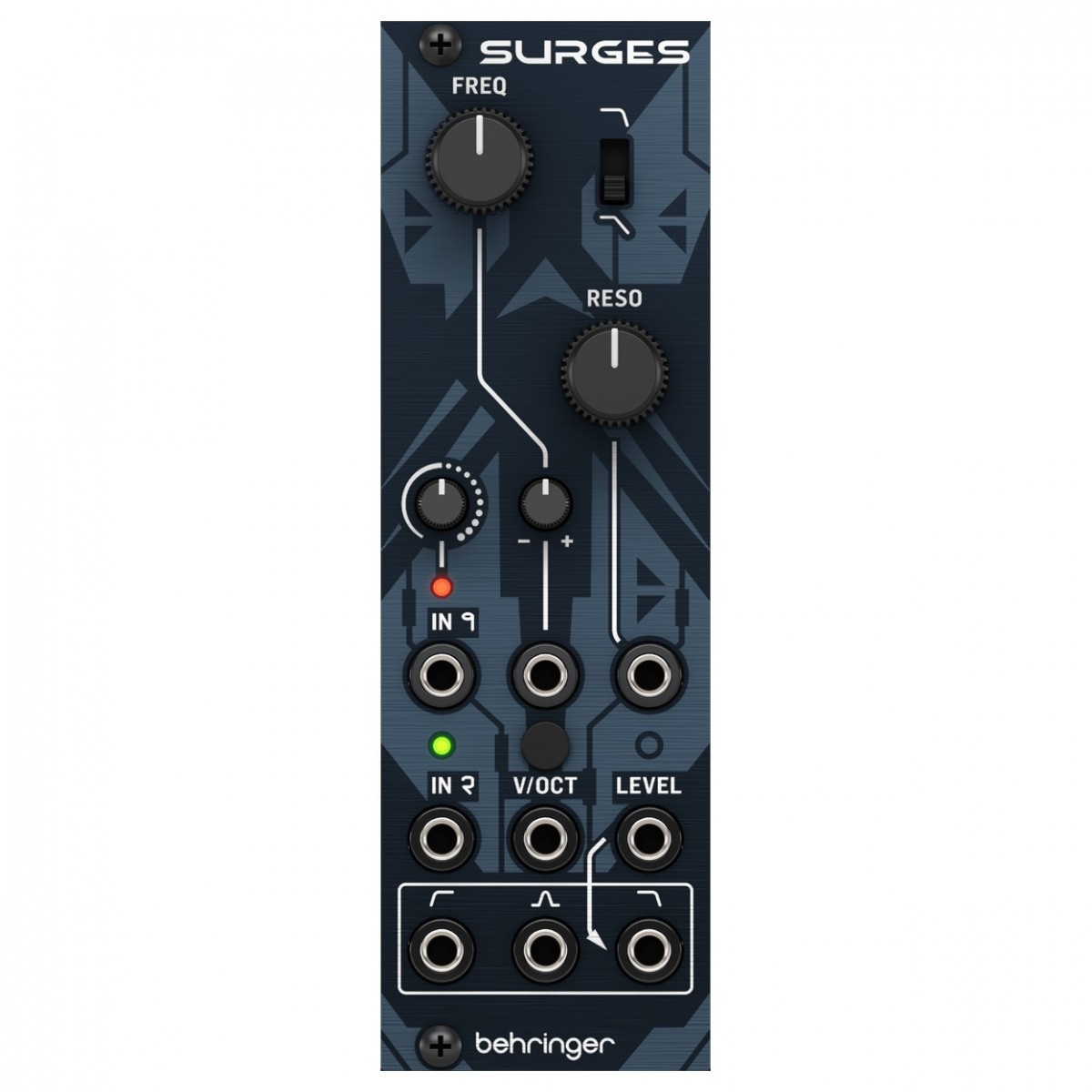
Modular and Eurorack instruments build sound from separate modules connected with patch cables. Oscillators, filters, envelopes, VCAs, sequencers, utilities, effects and interfaces can be combined into a signal path that is not fixed by the manufacturer. Eurorack modules normally use the 3U format and require a compatible powered case, with width, power draw, audio levels, CV ranges and connector placement worth checking before purchase. This category also includes complete modular or semi-modular systems. Read the product details carefully: some modules create sound, while others only route, shape or control it.
Tags
Digital indicates that sound generation or processing is performed numerically, enabling techniques such as sampling, FM, wavetable synthesis, modelling and complex modulation. Hardware controls and analogue outputs may still be included.
Eurorack identifies the modular format using 3U panels, compact patch cables and powered cases. Confirm module width, power draw, signal levels and whether the product needs other modules to make a complete instrument.
Semi-Modular identifies an instrument with a normalled internal signal path that can also be altered through patch points. It can work immediately, while CV, gate or audio patching opens additional routing and modulation.