Brand
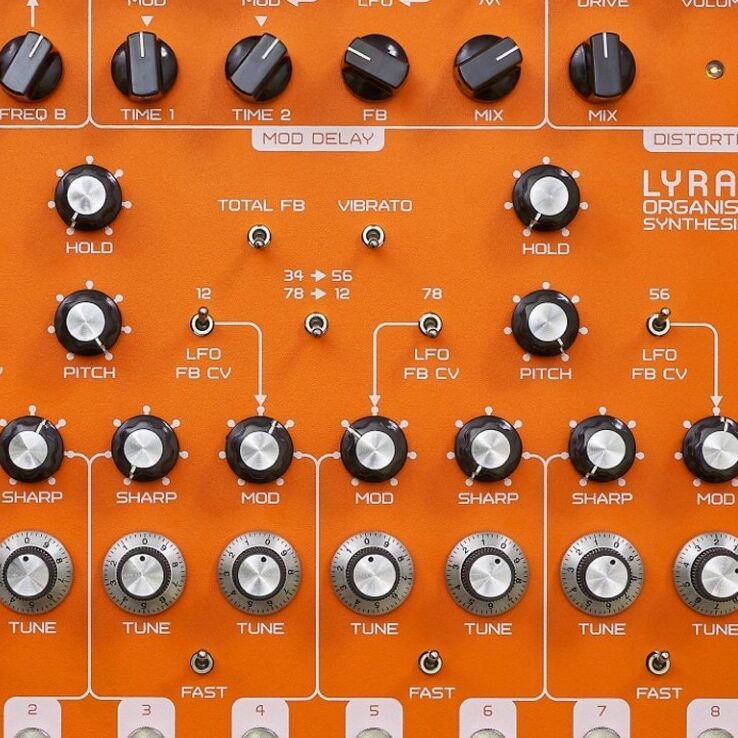
JMT Synth are a boutique brand known for creating handmade, experimental instruments that blur the line between synthesiser and art. Each piece is individually crafted, often housed in unique wooden enclosures, giving every instrument its own distinct character and visual identity.
What sets JMT Synth apart is their focus on raw, unpredictable sound and creative exploration. These instruments are designed for noise, texture and experimentation rather than traditional playing, offering glitchy rhythms, strange tones and evolving sonic landscapes. They invite you to interact, tweak and discover sounds in a very hands-on and organic way.
JMT Synth instruments are simply great — unique, inspiring and full of personality. If you’re looking to step outside conventional synthesis and explore something truly different, they offer a creative and engaging experience, and you will not be disappointed.
Category
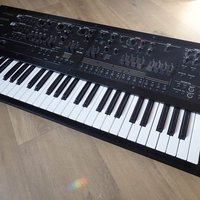
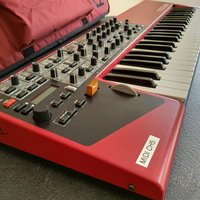
A synth, short for synthesiser, is an electronic instrument used to create and shape sound using oscillators, filters and modulation. Synths can produce everything from classic analogue-style tones to complex, evolving textures used across many styles of music. If you enjoy exploring sound design and creating unique voices rather than simply reproducing traditional instruments, synths offer a deeply creative and expressive way to make music.
Tags
Analogue is sound generation based on physical electronic circuits such as oscillators, filters, and amplifiers rather than digital processing. It produces continuously variable signals with natural drift, saturation, and harmonic character, giving sounds a distinctive warmth and movement. Analogue instruments are valued for their hands-on control, immediacy, and expressive response in both studio and live performance environments.
Analogue is sound generation based on physical electronic circuits such as oscillators, filters, and amplifiers rather than digital processing. It is used for its continuously variable signals, natural movement, and harmonic character that respond directly to hands-on control. For example, an analogue instrument might be used to create a warm bass line or an evolving lead sound with subtle changes in tone and texture as it is played.
Desktop refers to instruments designed for tabletop or studio use rather than keyboard-based performance. Desktop units are compact, self-contained devices controlled via knobs, buttons, sequencers, or external controllers, making them ideal for studio workflows and modular setups.
New Gear is unused and in original condition, supplied as it leaves the manufacturer. It is chosen for guaranteed reliability, full functionality, and the assurance of manufacturer support. For example, buying new ensures access to the latest design revisions, included accessories, and official warranty coverage.
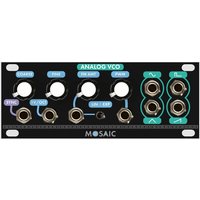
An oscillator is the core sound source in a synthesizer, responsible for generating the raw audio signal that everything else is built from. It produces basic waveforms such as sine, saw, square and triangle, which can then be shaped and processed into more complex sounds.
What makes oscillators so important is their role in defining the character of a sound. Different oscillator types and designs can produce anything from smooth, pure tones to rich, harmonically complex textures. In modular systems, multiple oscillators can be combined, tuned and modulated to create evolving and expressive sounds.
Oscillators are simply great — fundamental, versatile and essential to synthesis. Whether you’re building basic tones or complex soundscapes, they are at the heart of your sound, and you will not be disappointed.
A synth is an electronic instrument that creates sound through electronic signal generation and shaping. It is used to produce basses, leads, pads, textures, and effects by controlling oscillators, filters, envelopes, and modulation. Synths are central to electronic music and modern production, offering flexible sound design for both studio work and live performance.
A synthesiser is an electronic instrument used to generate and shape sound using oscillators, filters, envelopes, and modulation. It is used to create basses, leads, pads, and evolving textures for music production and performance. For example, a synthesiser might be used to design a pulsing bass line that drives a track or a layered pad sound that adds depth and movement to a composition.