Brand
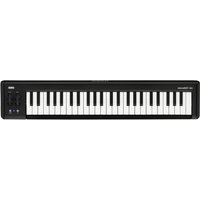
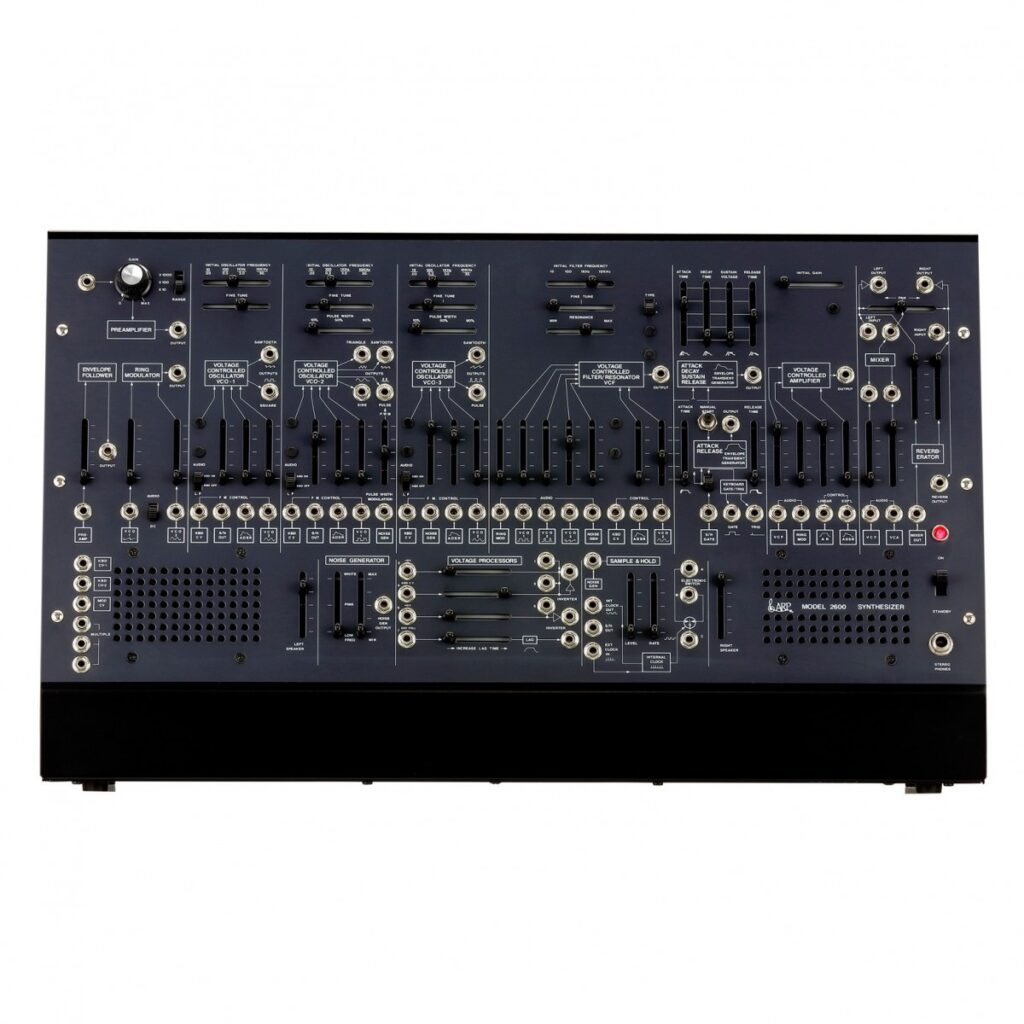
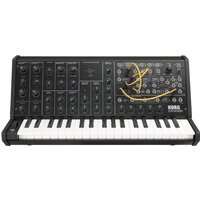
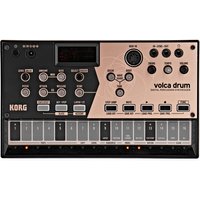
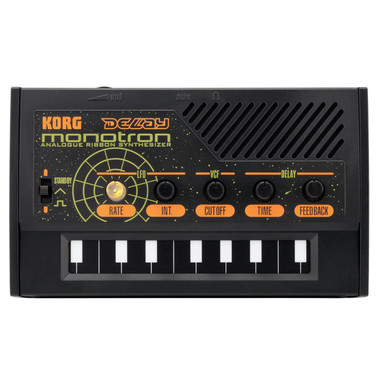
Korg, based in Japan, has always been known for mixing the experimental with the practical. From the MS-20 with its gritty filters to the M1 workstation and the more recent Minilogue and Volca series, Korg constantly innovate. They offer quirky pocket synths as well as professional stage keyboards. Their gear often encourages exploration and happy accidents. Korg instruments reward curiosity and have been favourites for decades among adventurous musicians.
Category
Discover hardware drum machines and rhythm instruments for programming beats, shaping electronic percussion and performing live. Models may use analogue circuits, digital samples, synthesis or a combination of methods. Compare pattern length, sequencing controls, individual outputs, effects, sampling and MIDI or clock synchronisation to choose the right centrepiece for a studio or live setup.
Tags
Products using analogue sound-generation or signal-processing circuitry, also commonly written as analog. Analogue instruments shape continuously varying electrical signals and are often chosen for direct controls, natural variation and a character that responds organically to performance and modulation.
Hardware designed for creating and sequencing electronic drum and percussion patterns. Tagged products may generate sounds through analogue circuitry, digital synthesis, samples or a hybrid design, with different approaches to programming and performance.
Products with dedicated note, rhythm, MIDI or control-voltage sequencing capabilities. A sequencer records or generates musical events and sends them to internal sounds or connected instruments, often providing step programming, pattern chaining and performance controls.