Brand
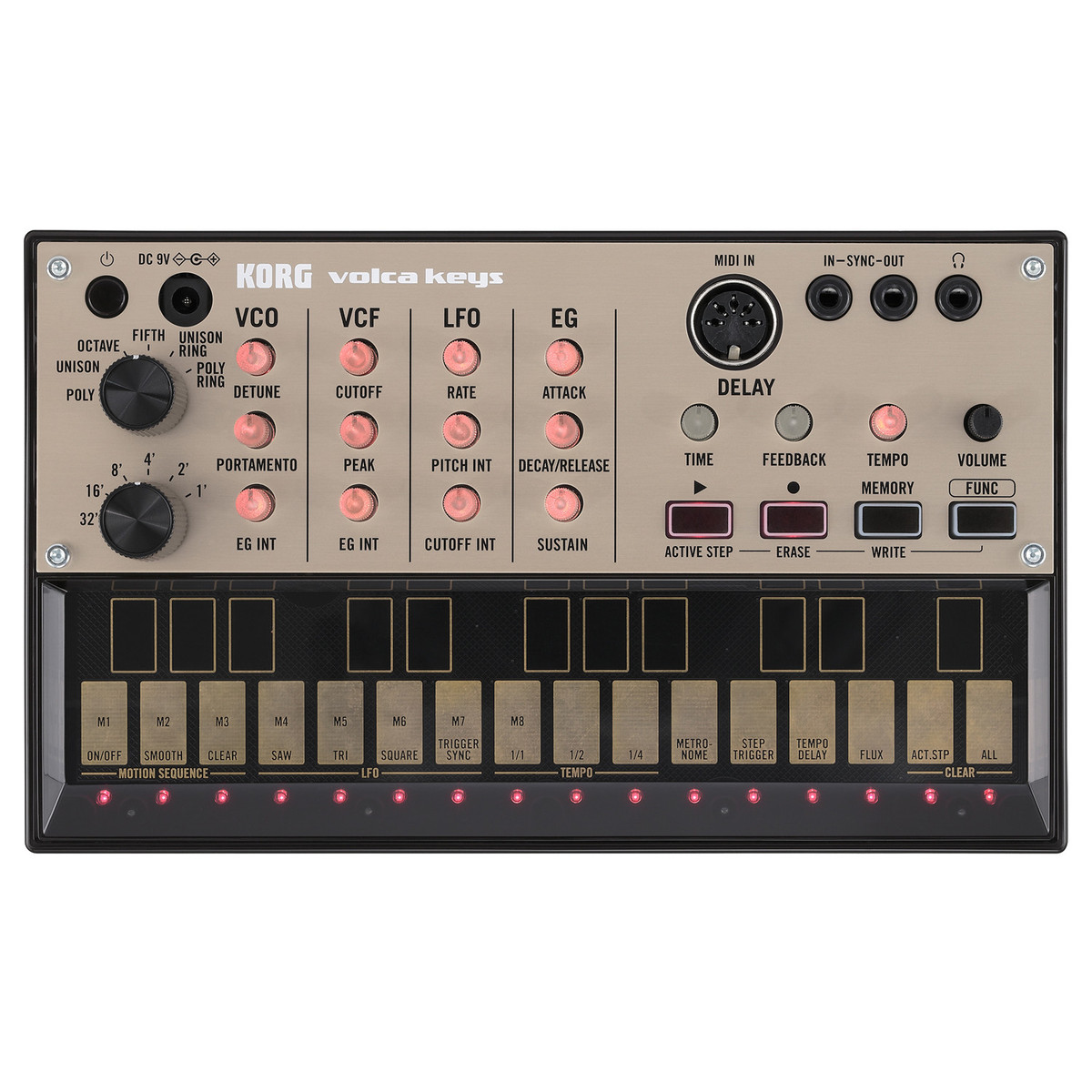
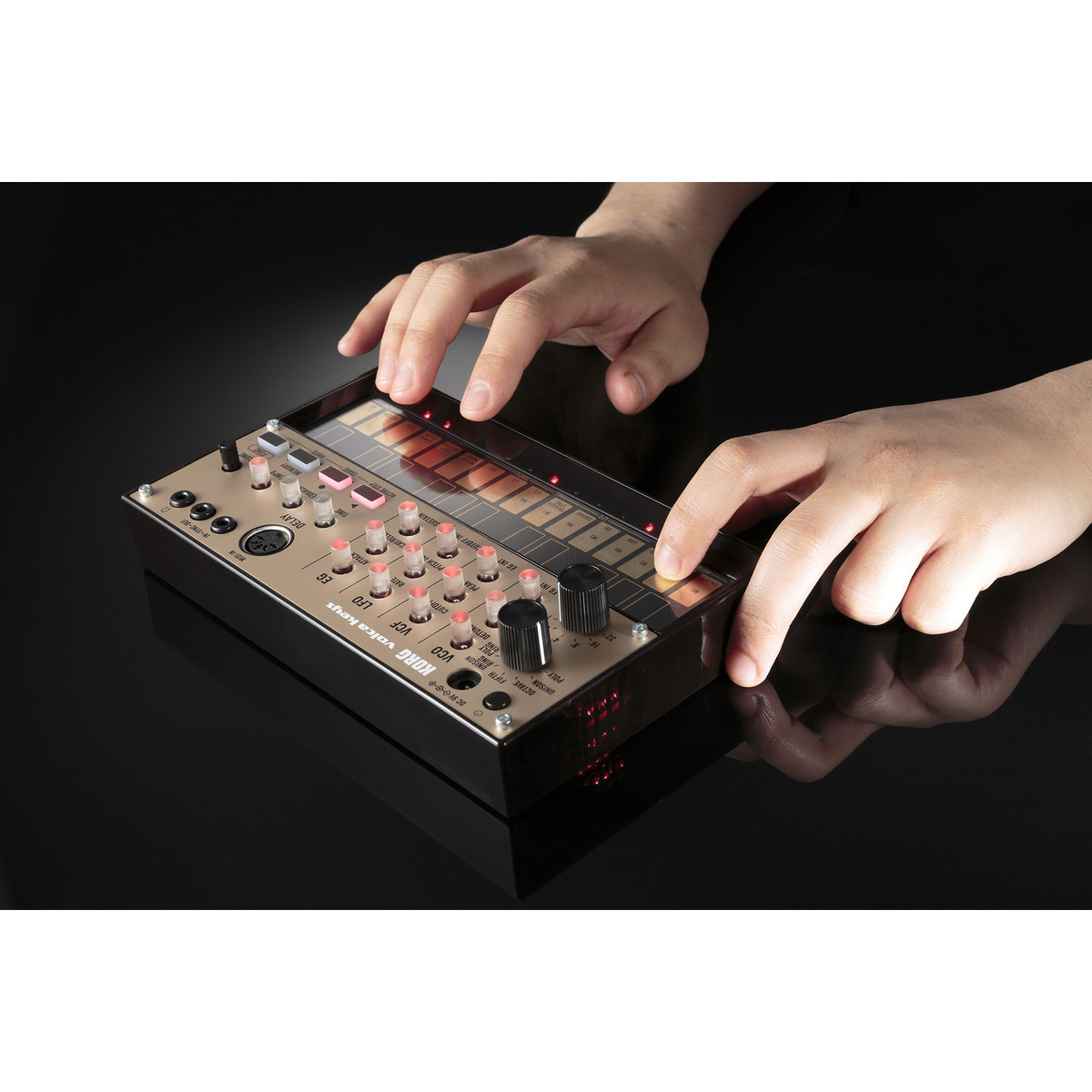
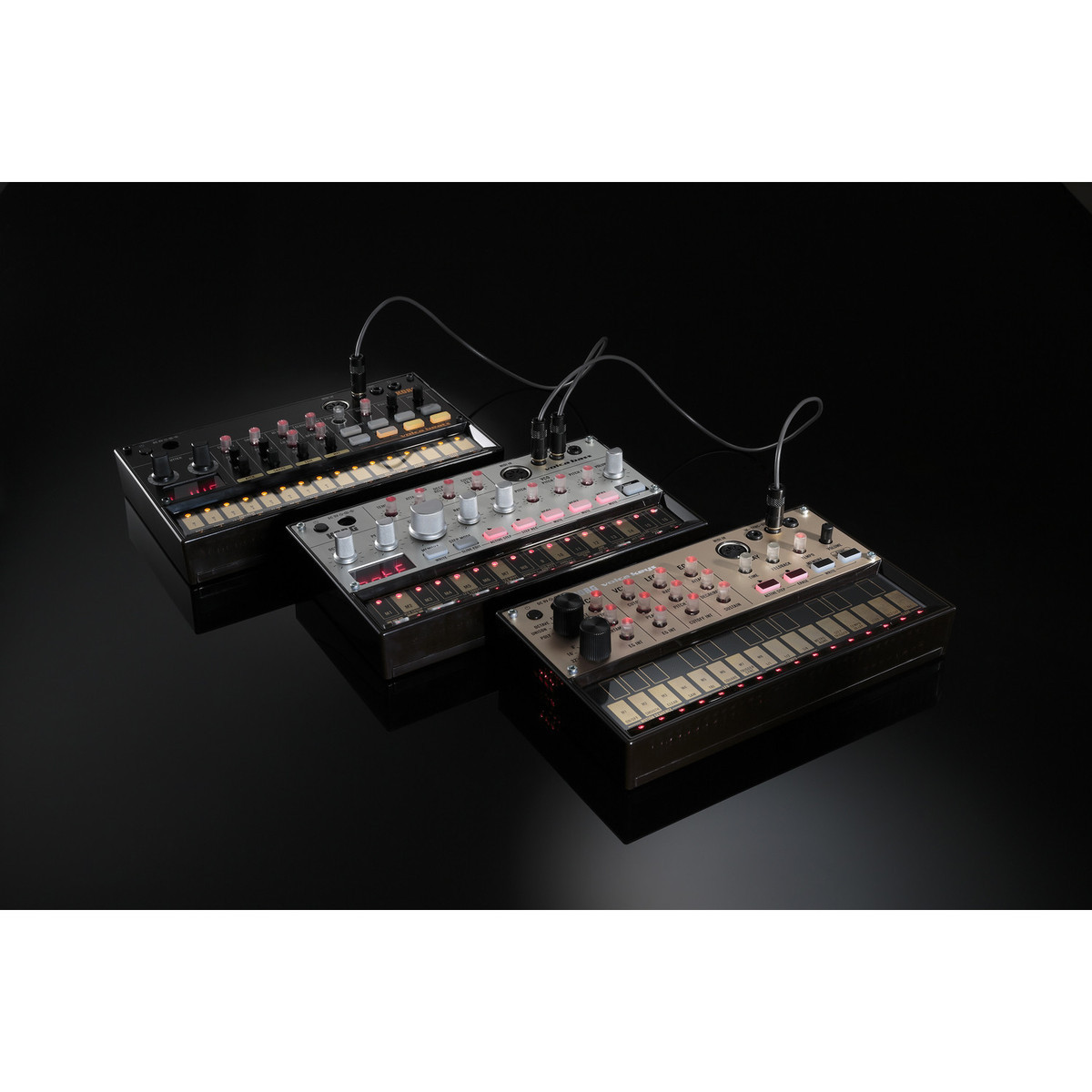
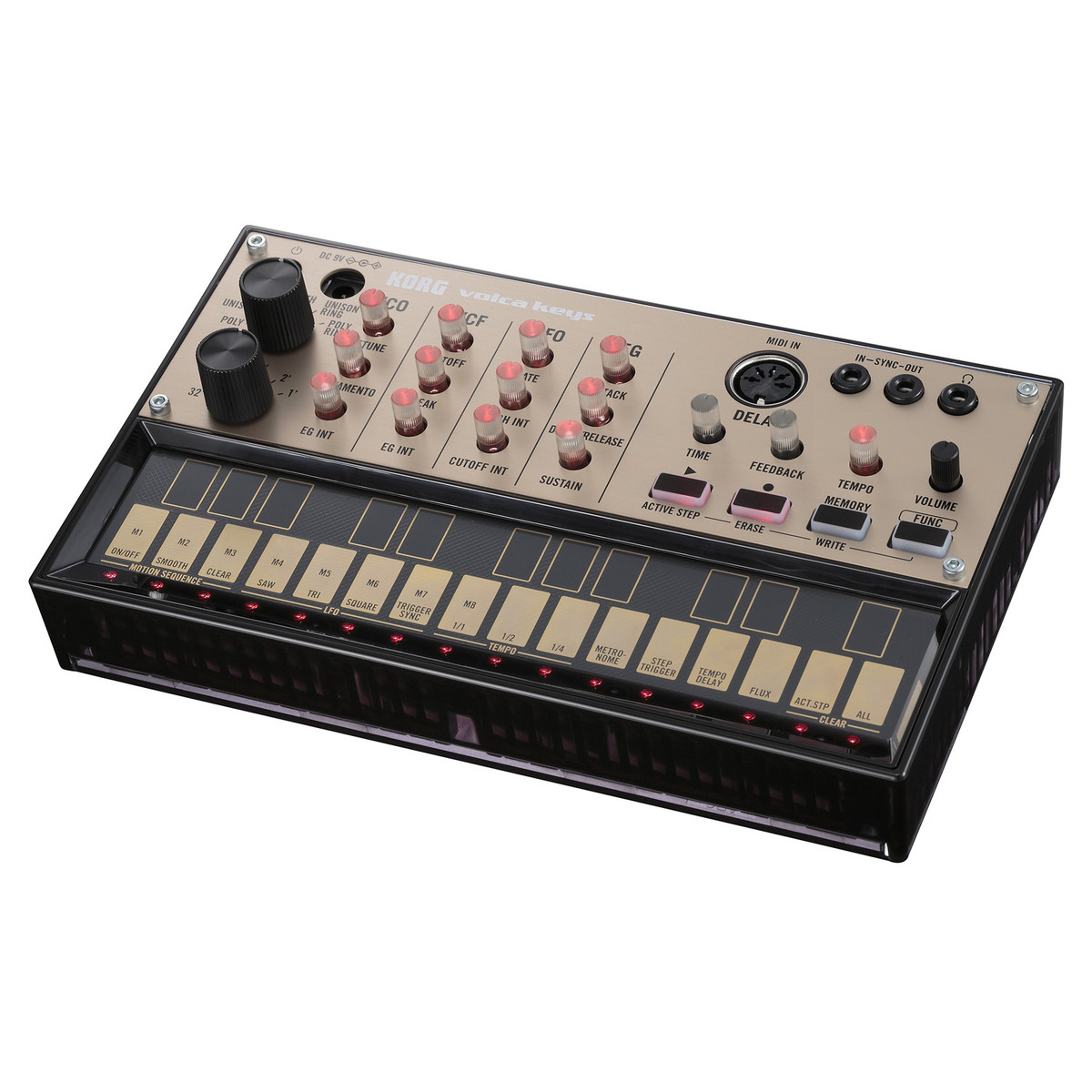
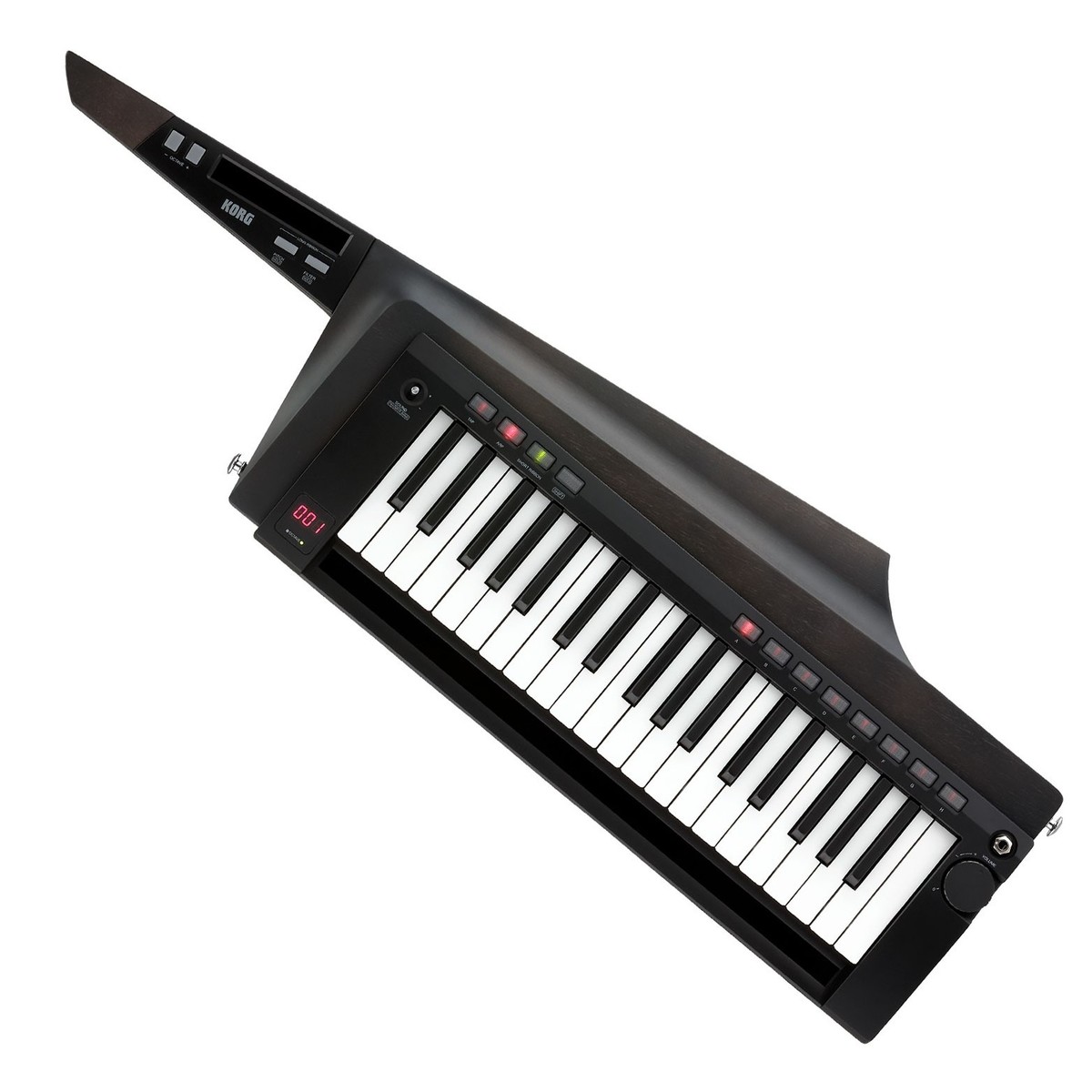
Korg, based in Japan, has always been known for mixing the experimental with the practical. From the MS-20 with its gritty filters to the M1 workstation and the more recent Minilogue and Volca series, Korg constantly innovate. They offer quirky pocket synths as well as professional stage keyboards. Their gear often encourages exploration and happy accidents. Korg instruments reward curiosity and have been favourites for decades among adventurous musicians.
Category
Synthesizers generate pitched electronic sound through an oscillator or other sound source, then shape it with filters, envelopes, modulation and effects. This category includes analogue, digital, hybrid, mono, polyphonic, desktop and keyboard instruments, so the synthesis method and playing format matter as much as the name. Check voice count, keybed, aftertouch, preset storage, sequencer or arpeggiator functions, audio outputs and MIDI or CV connections. A synthesizer may be designed for expressive live performance, detailed programming, bass and lead work, or experimental sound design; the individual architecture determines how it fits a rig.
Tags
Analog indicates a signal path built mainly from continuous electrical circuits, often using analogue oscillators, filters and envelopes. Digital control, presets or effects may still be present, so check the individual instrument’s architecture.
Groovebox identifies an integrated instrument that combines some mix of drums, synthesis, sampling, effects and pattern sequencing. Compare the internal sound engines, track structure, storage, controls and live performance workflow.
Polyphonic means the instrument can sound multiple pitched notes at once. Voice count, allocation, envelopes, effects and note-stealing behaviour determine how chords and sustained parts respond in practice.
Sequencer identifies hardware that records or generates ordered musical events such as notes, triggers, gates, automation or CV. Step length, pattern memory, clock, reset, track count and output format are key comparisons.
Synth identifies an instrument or module whose primary job is generating or shaping electronic tones. Read the model details for analogue, digital, hybrid, sample-based, modular, monophonic or polyphonic architecture.