Brand
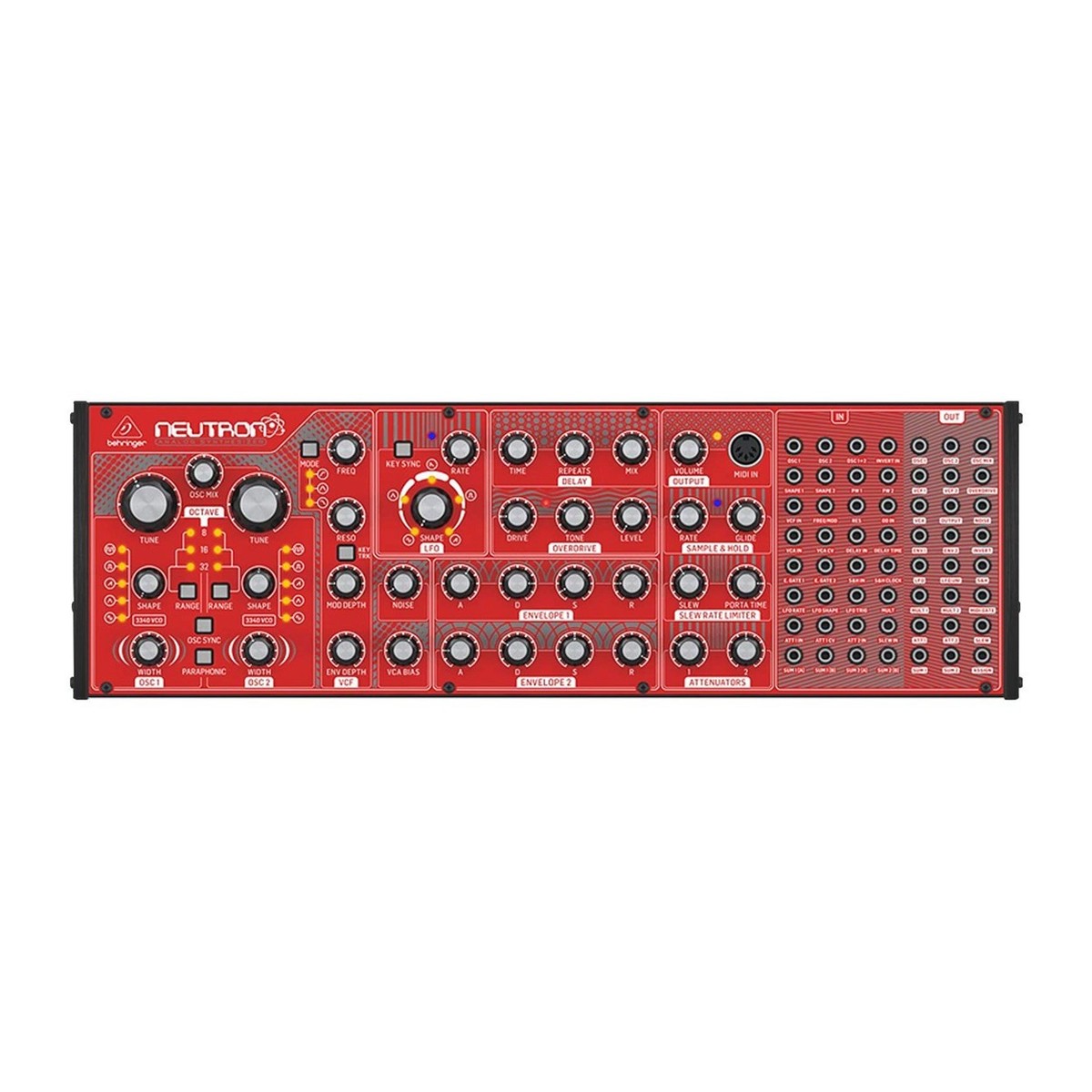
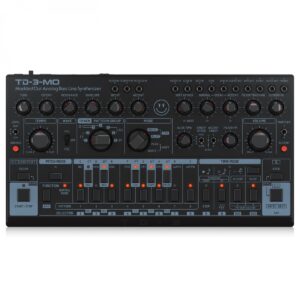
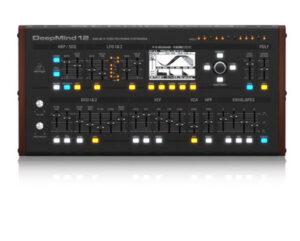
Behringer, founded by Uli Behringer in Germany, is famous for making affordable versions of classic instruments. They’re known for synth and drum machine clones like the RD-8 (808 style) and TD-3 (303 style), as well as the DeepMind synths. By lowering prices, Behringer have democratised access to legendary sounds once out of reach. They also produce mixers, interfaces and studio essentials used worldwide. Whatever your opinion, Behringer gear has enabled countless producers to get started without breaking the bank.
Category
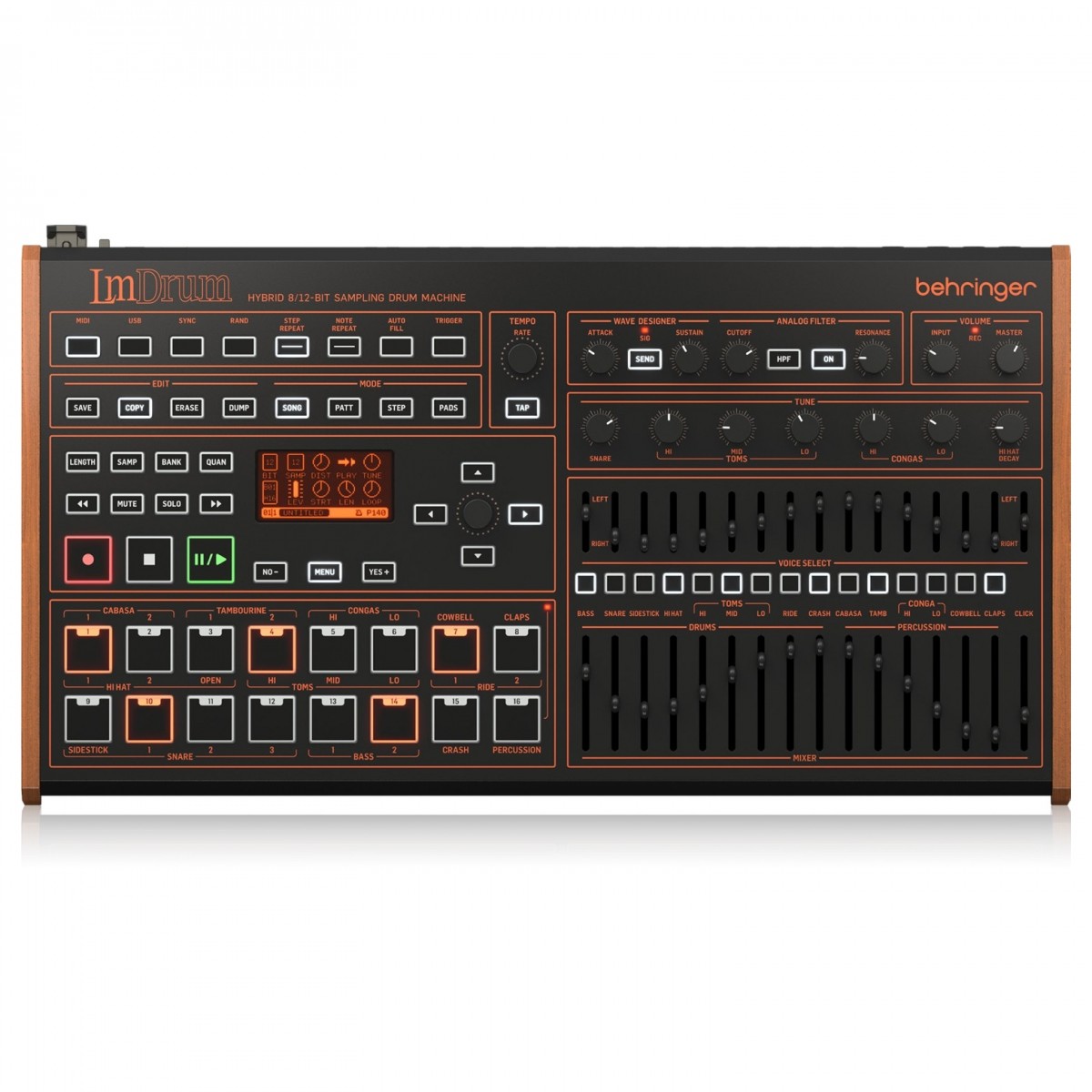
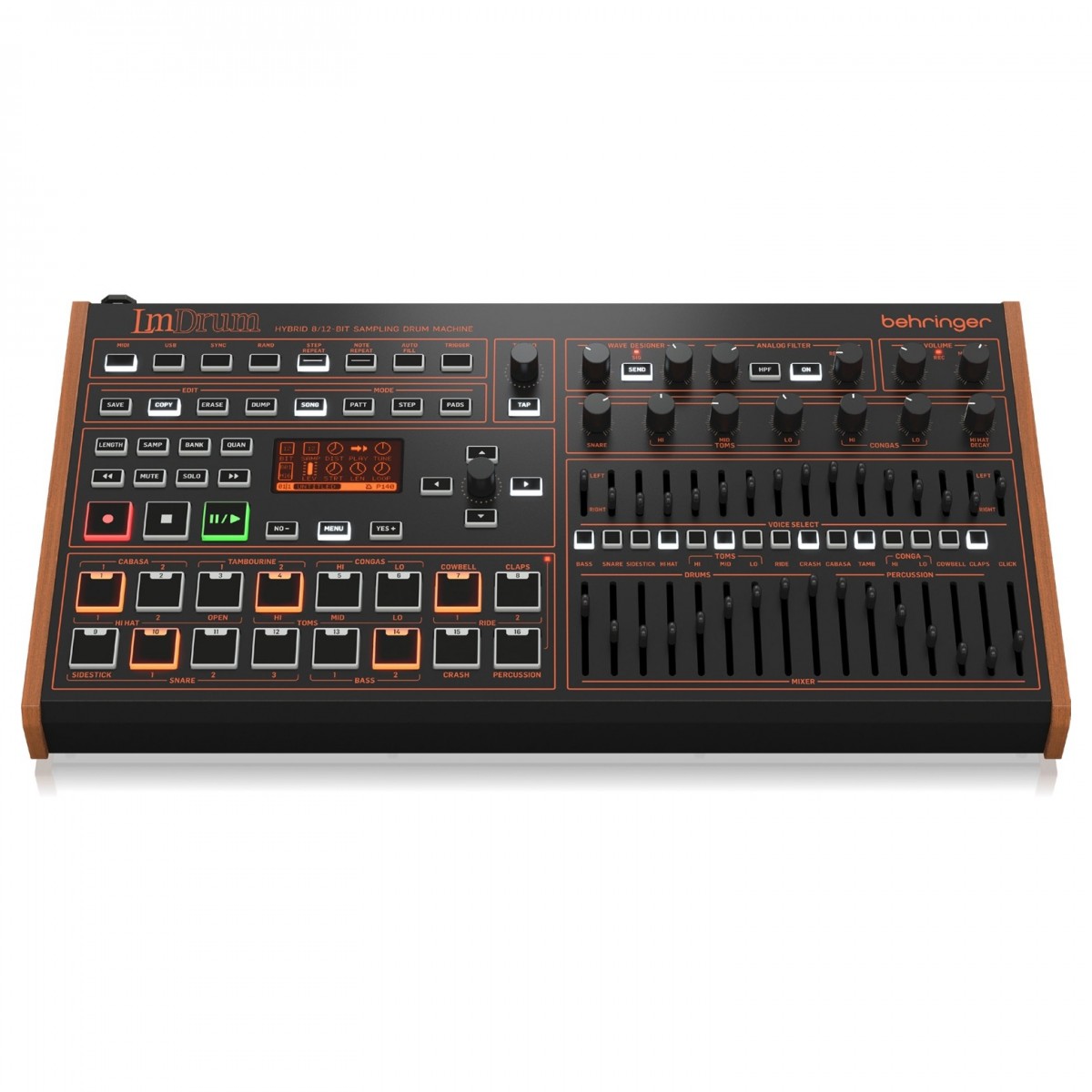
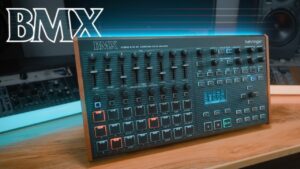
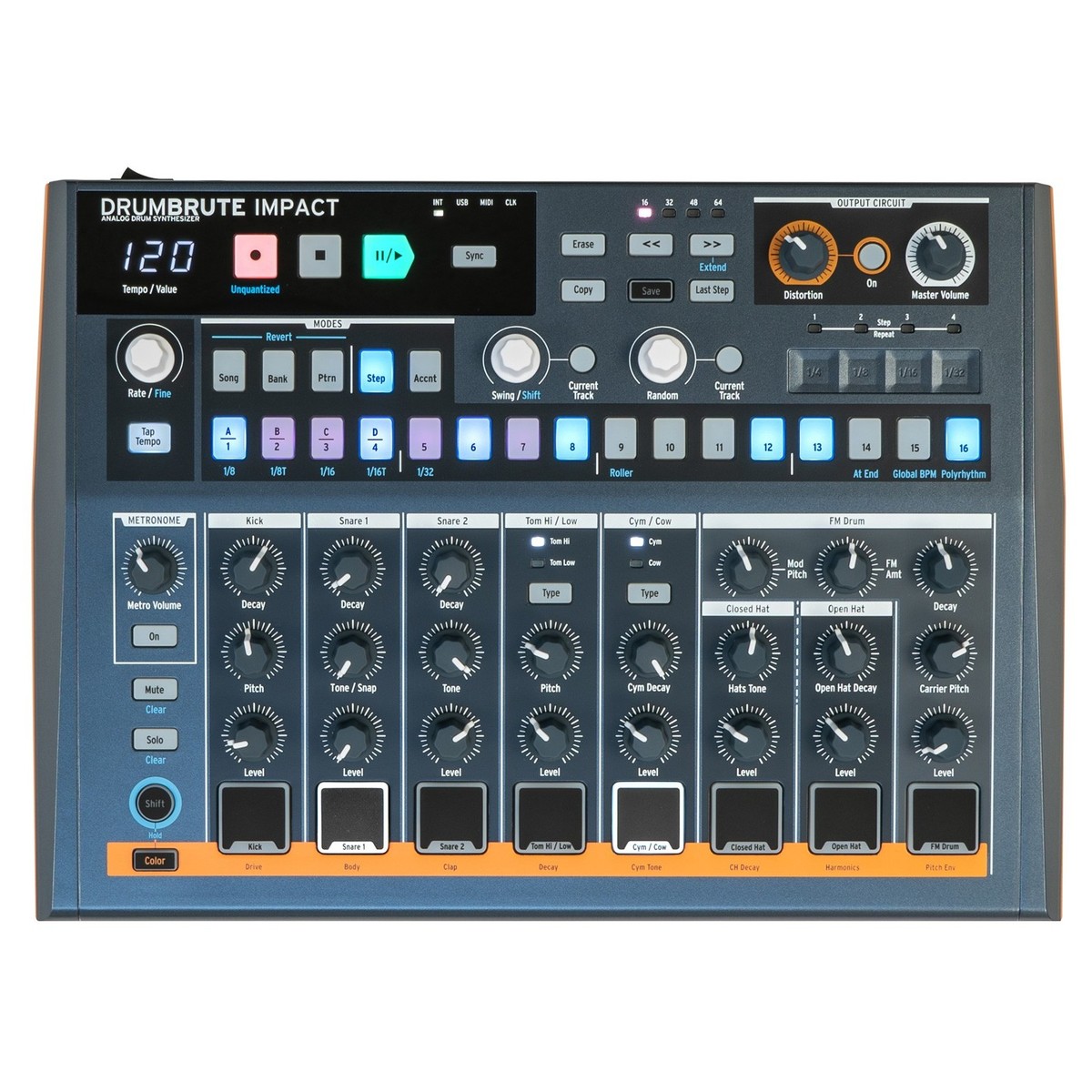
Drum machines are powerful tools for creating beats, rhythms and grooves, forming the backbone of countless music styles from electronic to hip hop and beyond. Whether analogue, digital or hybrid, they provide a hands-on way to build and control rhythm.
What makes drum machines so exciting is their immediacy and creativity. With step sequencers, pads and real-time controls, you can quickly program patterns, tweak sounds and experiment with timing and feel. Many models also include built-in effects and performance features, making them ideal for both studio production and live use.
Drum machines are simply great — punchy, creative and incredibly fun to use. Whether you’re crafting beats at home or performing live, they offer a powerful and inspiring way to shape your rhythm, and you will not be disappointed.
Tags
Analogue is sound generation based on physical electronic circuits such as oscillators, filters, and amplifiers rather than digital processing. It produces continuously variable signals with natural drift, saturation, and harmonic character, giving sounds a distinctive warmth and movement. Analogue instruments are valued for their hands-on control, immediacy, and expressive response in both studio and live performance environments.
A drum machine is an electronic instrument designed to create and sequence rhythmic patterns and percussion sounds. It is used to program beats, build grooves, and perform rhythms with precise timing and hands-on control. For example, a drum machine might be used to create a repeating rhythm for a live set or to sketch the foundation of a track before adding melodic and harmonic elements.
Hybrid is a design approach that combines analogue and digital technologies within a single instrument. Hybrid instruments use analogue circuitry for character and warmth alongside digital control or processing for stability, flexibility, and expanded functionality.
A sampler is an instrument that records, stores, and plays back audio recordings as playable sounds. It allows samples to be triggered, pitched, sliced, and processed, turning recorded material into musical elements. Samplers are widely used for rhythm creation, melodic parts, and sound design in both studio production and live performance.
A sequencer is a tool used to record, arrange, and play back musical events in a defined order. It allows notes, rhythms, and parameter changes to be programmed step by step or recorded in real time, creating structured patterns and loops. Sequencers are used to keep multiple instruments in sync, build evolving arrangements, and automate movement within a sound. For example, a sequencer might be used to create a repeating bass pattern while gradually changing filter or modulation values to add variation over time.