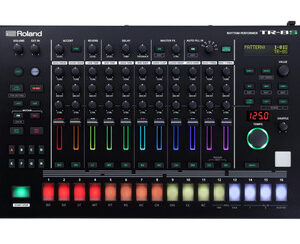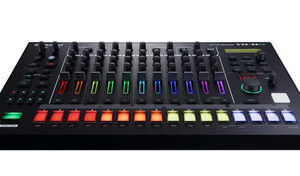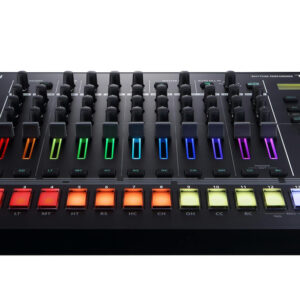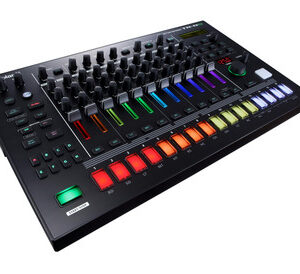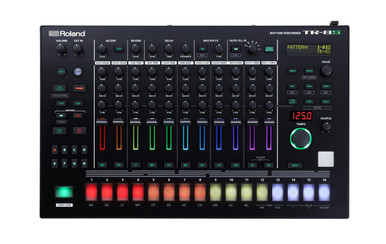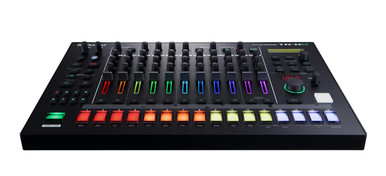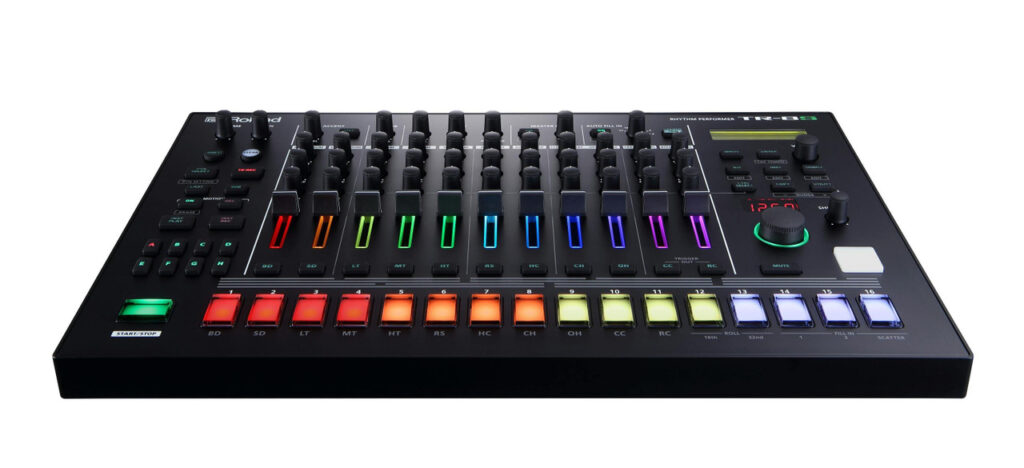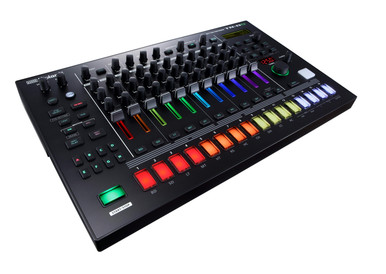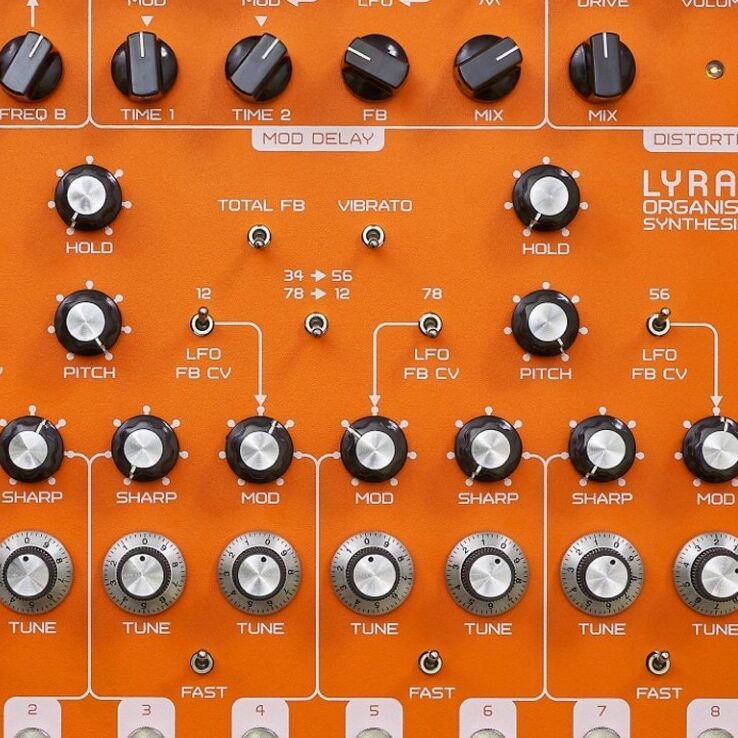
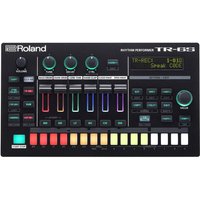
The Roland TR-6S Rhythm Composer provides you with the same level of functionality as its older sibling. One of the most unique features of the TR-6S is the inclusion of all the most sought-after TR drum machines. Whether you desire classic 808s 909s 707s or even 606s. This authentic recreation will make you feel like anything is possible Feel empowered by the vast array of opportunities the TR-6S grants you. Whether you want to reinforce natural drums making beats in public or even use it as an interface. With this sequencer in your set-up youll be able to emulate the hits of the day and trends of tomorrow. Anything is possible.
Search results for: “Roland V Drums”
-
Five of the Best Samplers for Making Music in 2026
A sampler can be a portable notebook, a live effects instrument, a drum computer, a clip launcher or the centre of an entire studio. Those roles overlap, but the best choice depends on what you want to do after a sound has been recorded.
The five machines below cover very different workflows. Think about capture, editing, sequencing, arrangement and performance as separate stages. A sampler that is brilliant at one stage may deliberately keep another simple.
Quick picks
Best for Our pick Core strength Portable first sampling Roland P-6 Built-in mic, granular tools, sequencing and hands-on effects Live performance and effects Roland SP-404MKII Fast pads, resampling and extensive performance effects Deep sample sequencing Elektron Digitakt II Sixteen flexible tracks and a 128-step Elektron sequencer Complete standalone production Akai MPC One G2 Sampling, instruments, arranging and full-track production Compact clip and song arranging 1010music blackbox 2 Touchscreen sampling, loops, multisamples and portable arrangement 1. Roland P-6 — best for portable first sampling
The Roland P-6 places sampling, a built-in microphone, USB-C connectivity, granular sound design, a 64-step sequencer and familiar performance effects in a pocket-sized instrument. It is designed to make capturing a sound feel like the beginning of an idea rather than a separate studio task.
A beginner can record a voice, object or short musical phrase, trim and play it, add a pattern and then reshape it with effects. More advanced users can explore granular processing, resampling and detailed sequencing. The rechargeable design makes it practical as a sketchpad away from the main setup.
The small controls and display demand some shortcut learning, and the compact memory and editing experience are not intended to replace a large workstation. It is strongest when speed, character and portability matter more than a spacious visual interface.
Best match: musicians who want to learn sampling by recording the world around them and immediately turning it into patterns.
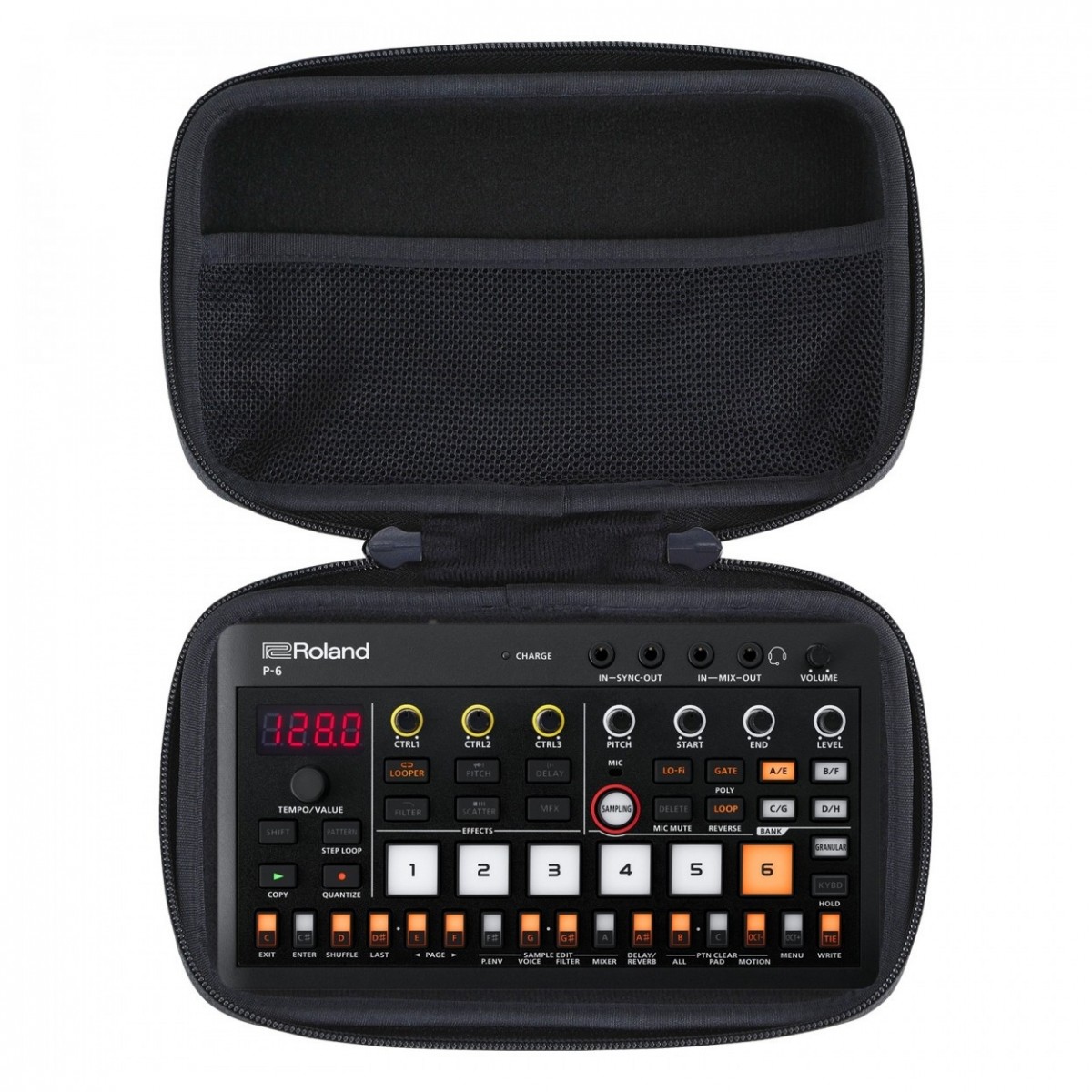
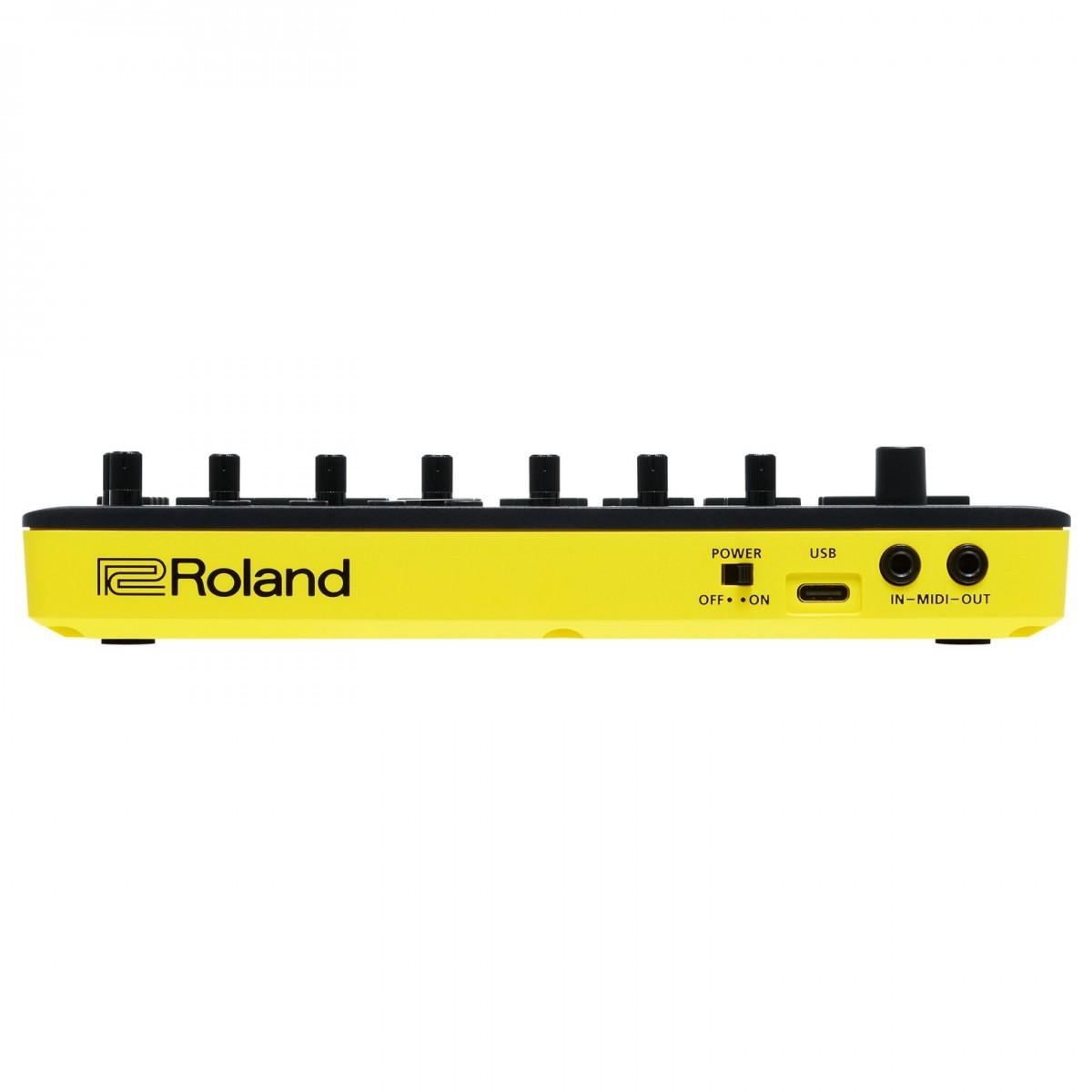
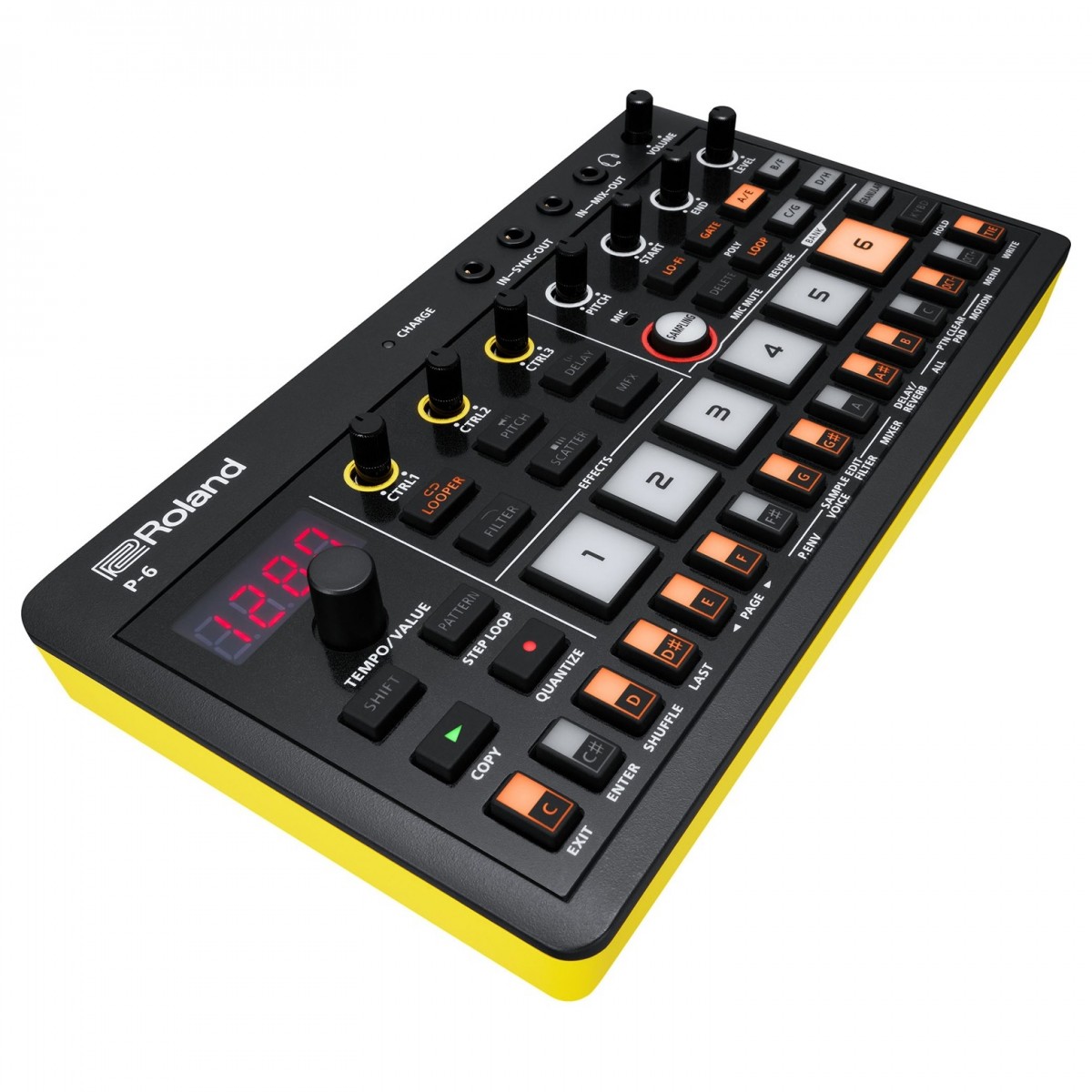
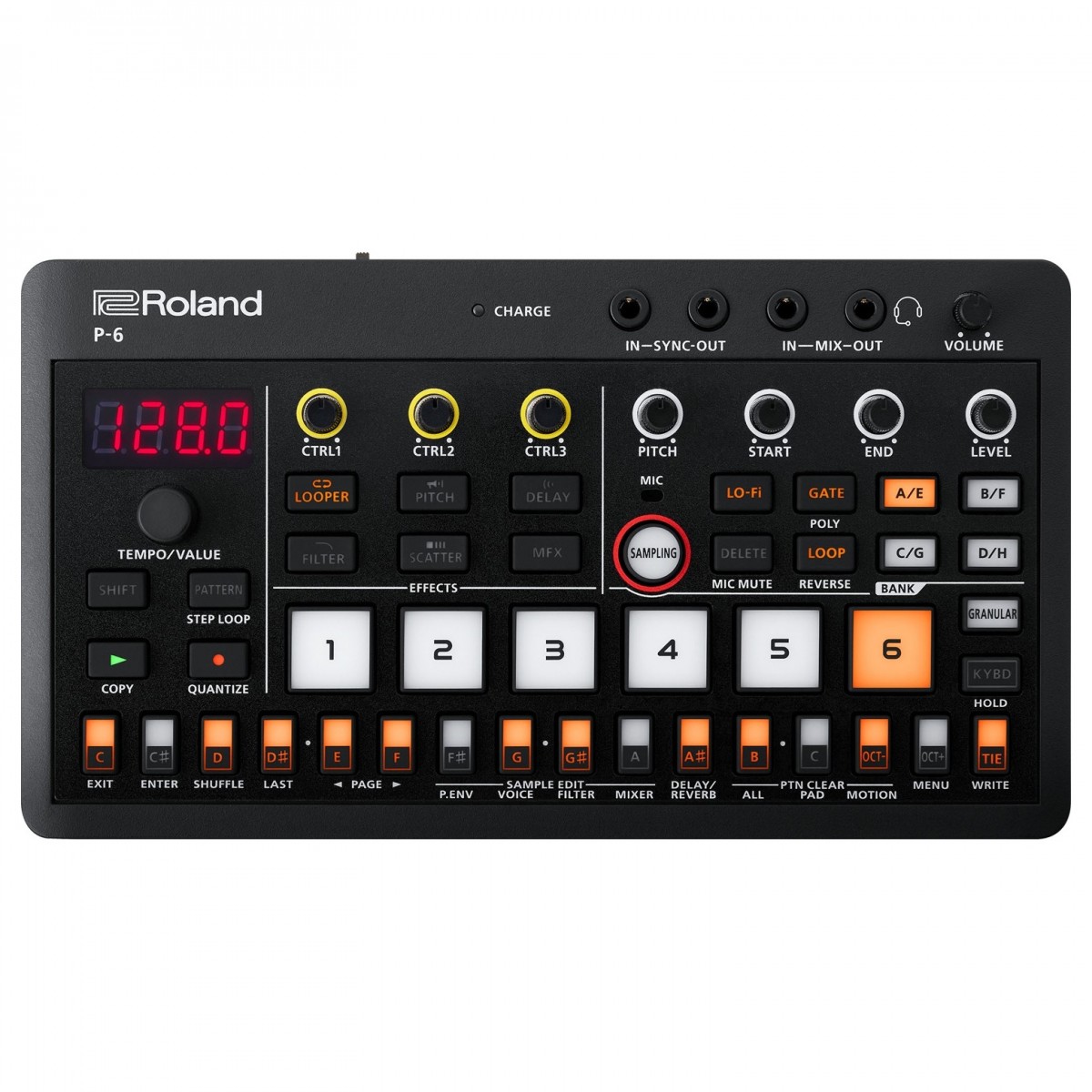
Roland Aira Compact P-6 Creative Sampler with Case
£205.00Check out this New Roland Aira Compact P-6 Creative Sampler with Case from Roland on synthforsale, it is in our Samplers department and ready for UK delivery. Read More below for more images and how to order.
2. Roland SP-404MKII — best for live performance and effects
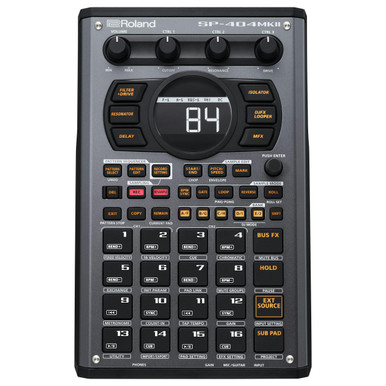
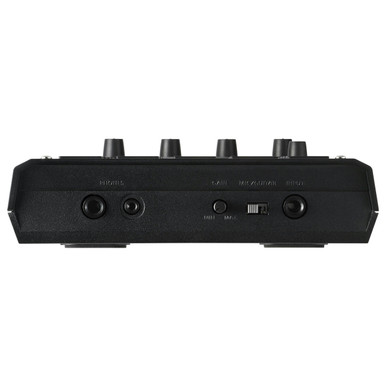
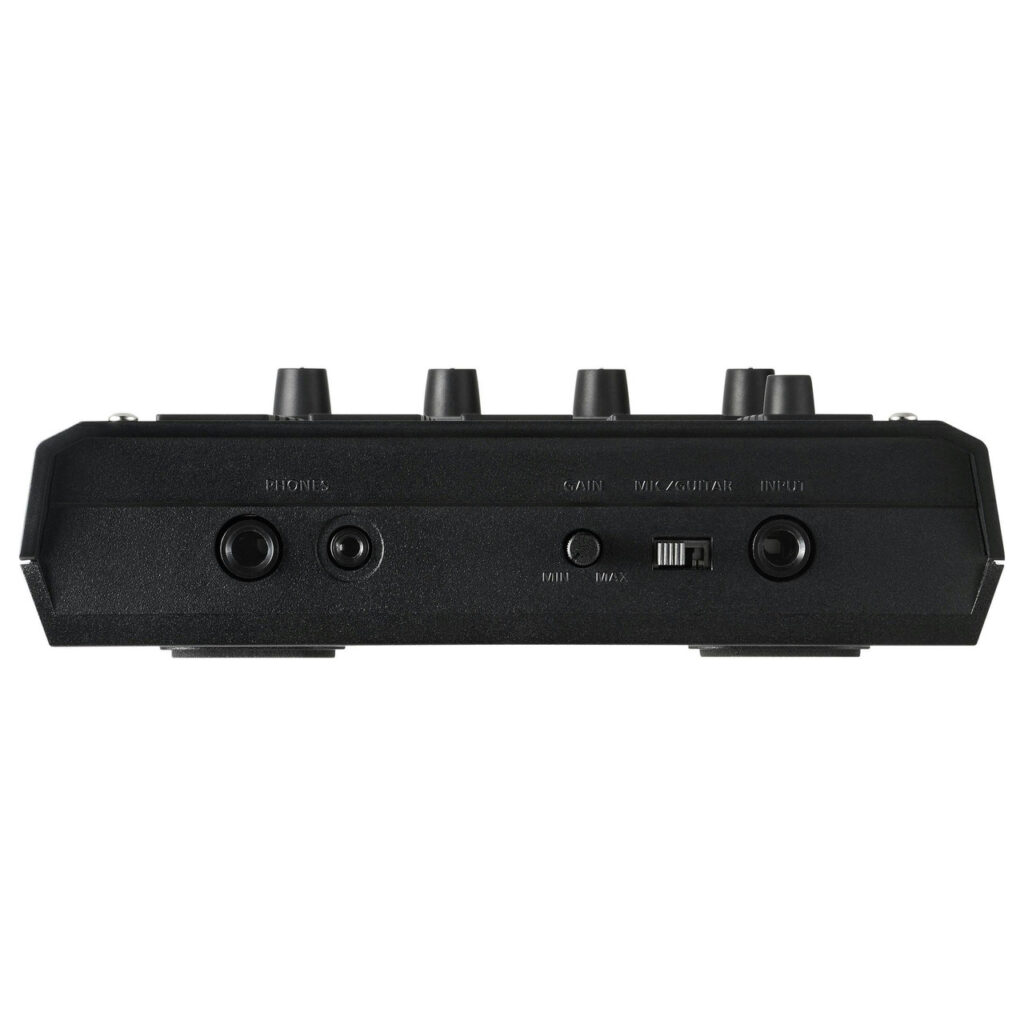
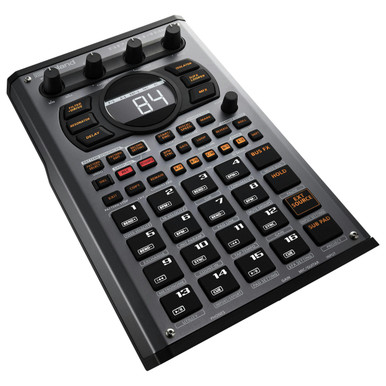
The Roland SP-404MKII is a performance-focused sampler with 17 velocity-sensitive RGB pads, a waveform display, generous internal storage, fast editing, resampling and a large collection of effects. It is equally comfortable building a beat, processing another instrument or acting as a playable bank of stems, one-shots and transitions.
Its workflow is especially strong when you like committing to audio and performing transformations in real time. Samples can be resampled through effects, patterns can be assembled without a computer, and several power options make the machine useful on stage or away from a fixed studio.
The SP approach relies on shortcuts and muscle memory, and its arrangement style is more performance-led than a conventional timeline. Producers who want a detailed DAW-like screen may prefer an MPC; performers who want to touch and alter audio directly often find the limitation inspiring.
Best match: beat sets, live resampling, transitions, stems and musicians who treat effects as part of the instrument.
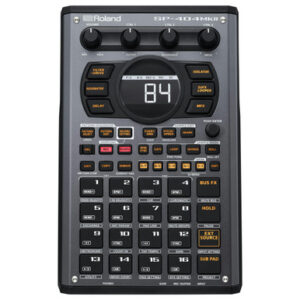
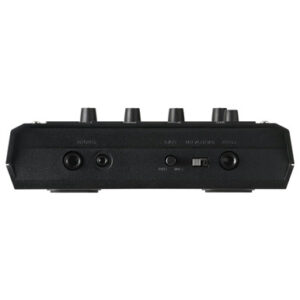

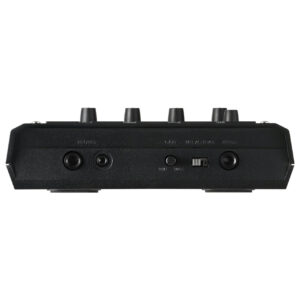
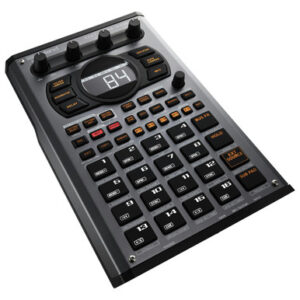
Roland SP-404 MKII Sampler
£473.00Check out this New Roland SP-404 MKII Sampler from Roland on synthforsale, it is in our Samplers department and ready for UK delivery. Read More below for more images and how to order.
3. Elektron Digitakt II — best for deep sample sequencing
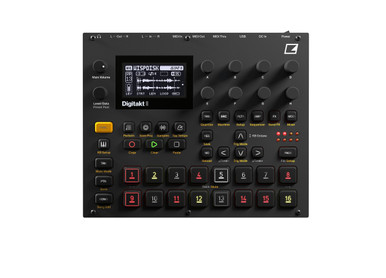
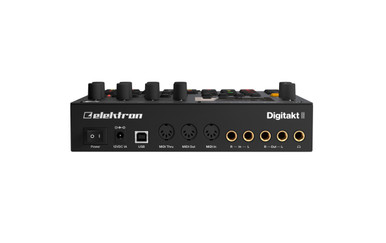
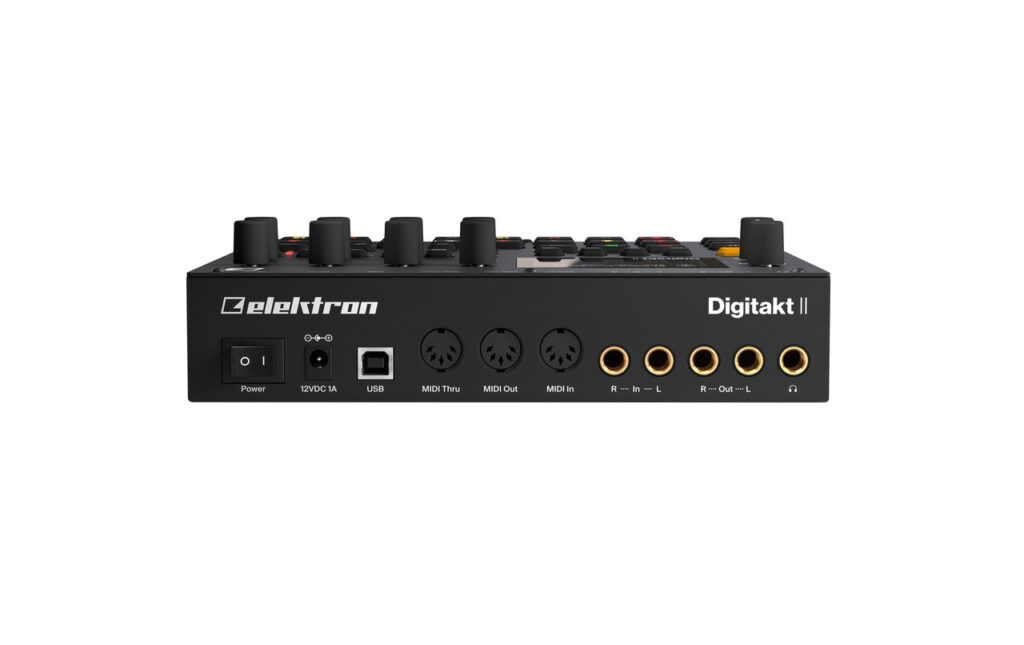
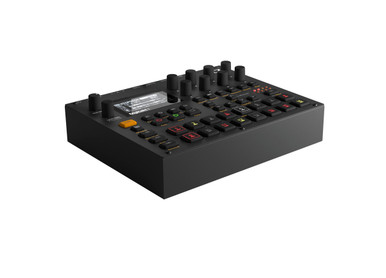
The Elektron Digitakt II is a 16-track drum computer and sampler whose tracks can work with stereo samples, mono samples or MIDI. Its 128-step sequencer, parameter locks, conditional behaviour and flexible filtering make a short sample capable of changing from step to step across a long pattern.
This is less about recording a loop and pressing play than about turning samples into a responsive composition system. One sound can be pitched, filtered, sliced, retriggered and automated differently on individual steps, while MIDI tracks can sequence external synths from the same pattern structure.
Elektron’s workflow is logical once learned but has its own vocabulary. The screen and button combinations reward deliberate practice. Choose it when sequencing depth and controlled variation are more important than a large touch display or traditional linear arrangement.
Best match: producers who want samples and external MIDI gear to behave as one precise, evolving pattern system.
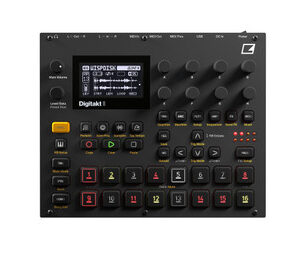
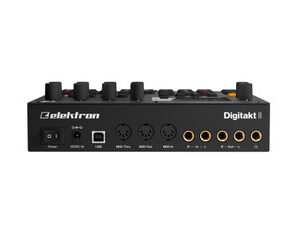

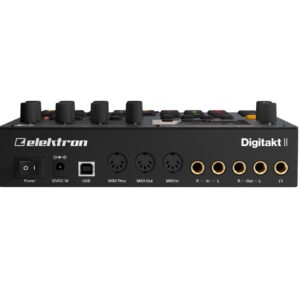
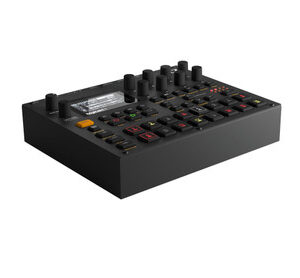
Elektron Digitakt MKII Sequencer + Sampler
£799.00Check out this New Elektron Digitakt MKII Sequencer + Sampler from Elektron on synthforsale, it is in our Samplers department and ready for UK delivery. Read More below for more images and how to order.
4. Akai MPC One G2 — best for complete standalone production
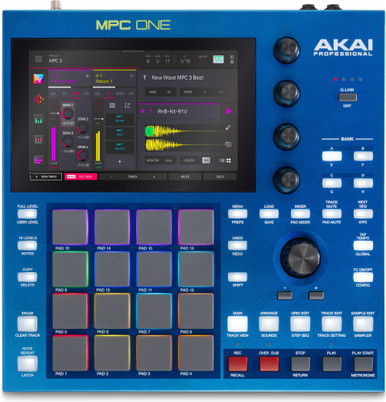
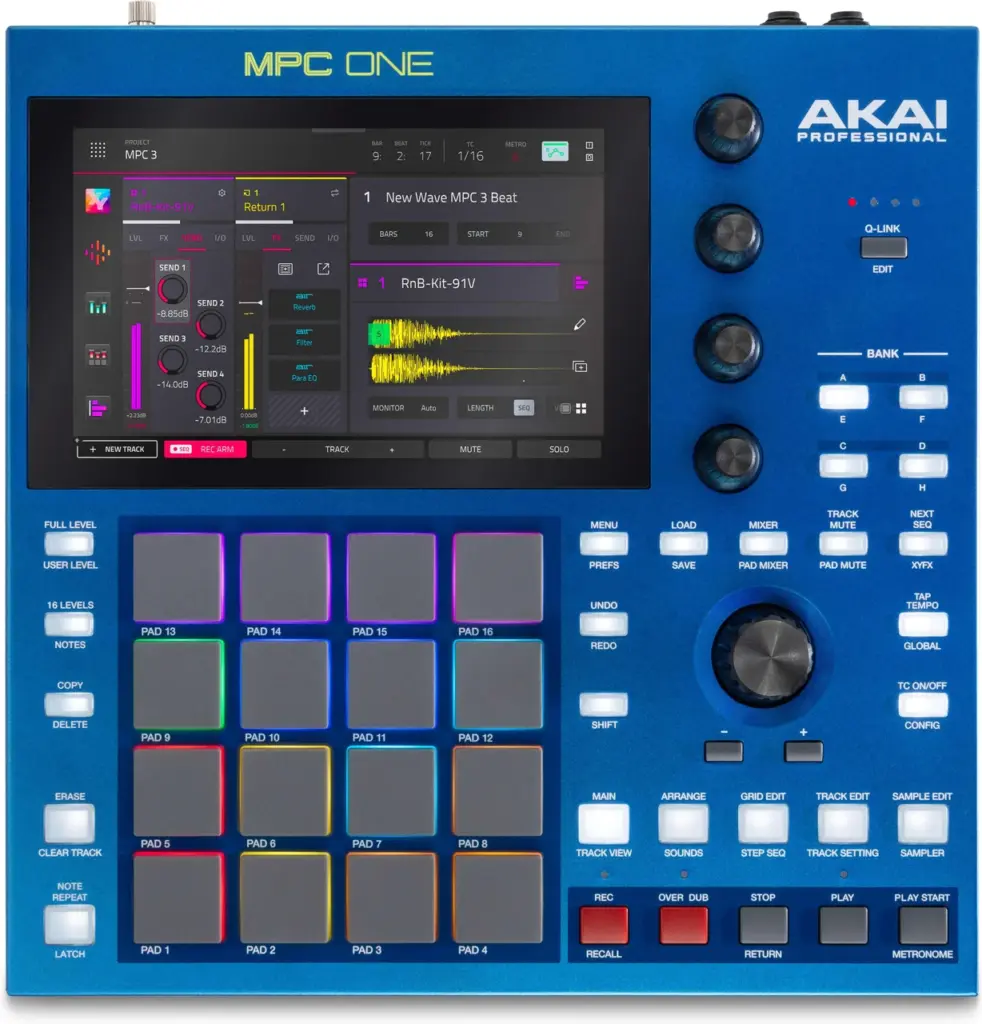
The Akai MPC One G2 is a standalone music production centre that combines classic MPC pads with sampling, sequencing, software instruments, effects and arrangement tools. It is the choice here that most directly aims to take a track from first sample to complete production without relying on a separate computer.
The touchscreen provides a visual environment for chopping, editing, mixing and arranging, while the pads keep drums and sample performance physical. MIDI and USB connections allow it to become the centre of a wider hardware rig, controlling synths while recording their audio back into the project.
That breadth can feel closer to learning a compact DAW than learning a simple sampler. Menus and project management are part of the experience. If you want one box to handle many studio duties, the depth is an advantage; if you want immediate, limited sampling, a smaller machine may be more inviting.
Best match: producers who want one standalone hub for beats, instruments, sampling and full arrangements.
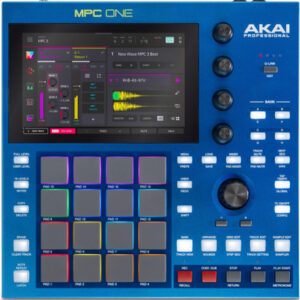
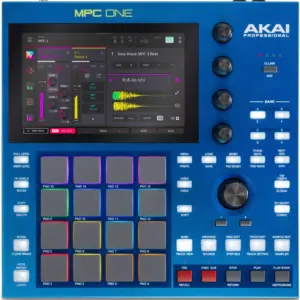



Akai MPC ONE G2 Sampler & Workstation
£719.00Check out this New Akai MPC ONE G2 Sampler & Workstation from Akai on synthforsale, it is in our Samplers department and ready for UK delivery. Read More below for more images and how to order.
5. 1010music blackbox 2 — best for compact clip and song arranging
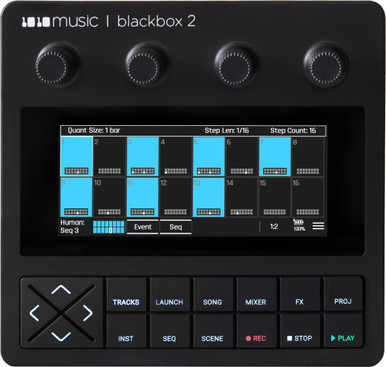
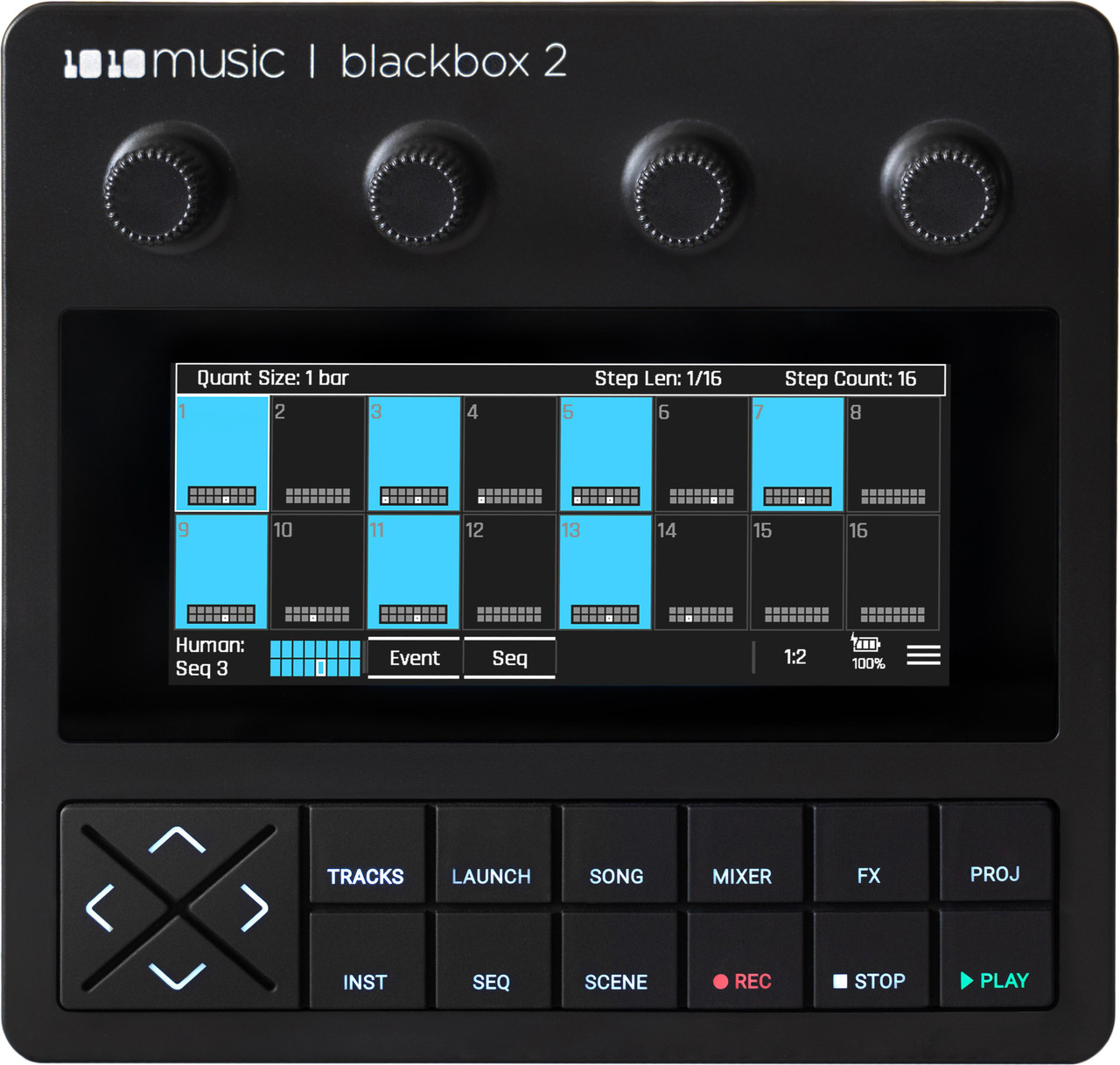
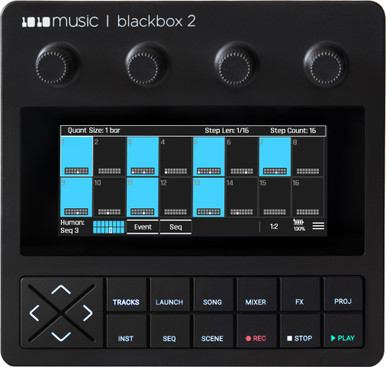
The 1010music blackbox 2 is a compact touchscreen sampler designed for computer-free creation and performance. It can record and edit samples, play loops, one-shots, slices and multisamples, sequence parts, launch grouped loops and build arrangements in a box small enough for a crowded desktop or mobile rig.
Its visual interface is valuable when you want to see waveforms, piano-roll notes and clips without moving to a full computer. The internal battery and broad sample types make it useful for capturing an idea, building a track from loops or carrying prepared material to a performance.
A touchscreen will not satisfy everyone who wants one control per function, and expressive finger drumming is better served by dedicated velocity-sensitive pads or an external controller. The blackbox 2 is strongest when compact arrangement and sample organisation are the priority.
Best match: space-conscious DAWless setups, clip-based performers and musicians who prefer visual sample editing in a very small box.
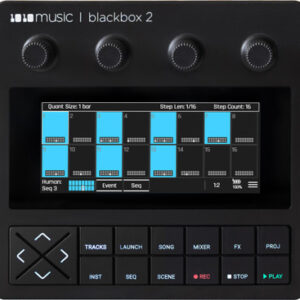
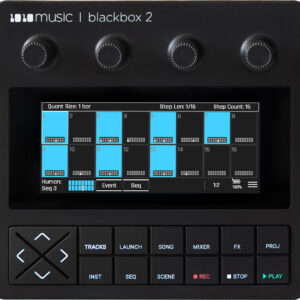


1010music Blackbox 2 Sampler
£669.001010music Blackbox 2 Sampler from 1010Music is on synthforsale in our Samplers department. Read More product details below.
What should you check in a hardware sampler?
How quickly can it capture audio?
Check whether the sampler has a built-in microphone, line inputs, microphone preamp, USB audio or only file import. A sampler you can record into immediately will encourage different habits from one that begins with organising files on a card.
What does it do with a sample?
Slicing is useful for breaks and phrases; multisampling is useful for playable instruments; time-stretching helps loops follow tempo; granular tools create textures; resampling lets you commit effects and layers. Buy for the transformations you will actually use.
How are songs built?
Some samplers chain patterns, some launch clips and some offer a timeline or song mode. Imagine a three-minute arrangement and ask how sections, mutes, fills and transitions would be created before deciding that a pattern demo proves the whole workflow.
How does storage work?
Check internal storage, removable media, supported file types, maximum sample length and backup method. Good housekeeping matters once the exciting first week becomes a library of hundreds of recordings.
Which one should you choose?
Choose the P-6 for portable discovery, the SP-404MKII for performance and effects, the Digitakt II for deep sequencing, the MPC One G2 for complete standalone production or the blackbox 2 for compact visual arrangement. The right sampler is the one that makes the step after recording feel natural.
Read next
Five of the Best Grooveboxes in 2026
How to Build Your First Hardware Synth Setup
How to Connect and Synchronise Synthesizers, Drum Machines and Grooveboxes
-
-
Five of the Best Synthesizers for Making Electronic Music in 2026
Electronic music is too broad for one synthesizer to be best at everything. A house producer building complete patterns needs something different from a sound designer making evolving textures, an FM fan shaping metallic tones or a keyboard player looking for analogue chords.
These five synths represent five useful approaches: a hybrid all-rounder, a multi-part desktop instrument, a wavetable specialist, a modern FM synth and a twelve-voice analogue poly. Start with the type of sound and workflow that is missing from your setup.
Affiliate disclosure: SynthForSale may earn a small commission when you buy through links on this page, at no extra cost to you.
Quick picks
Best for Our pick Core strength Hybrid all-rounder Arturia MiniFreak Two digital engines, analogue filters and strong modulation Multi-part desktop writing Roland SH-4d Four synth parts plus a rhythm part and pattern sequencing Wavetables and motion Korg modwave mkII Deep wavetable synthesis, motion sequencing and high polyphony Modern FM textures Korg opsix mkII Six operators with multiple operator modes and approachable control Classic analogue polyphony Behringer DeepMind 12 Twelve voices, modulation and extensive effects 1. Arturia MiniFreak — best hybrid all-rounder
The Arturia MiniFreak is a six-voice hybrid polyphonic synth with two digital sound engines, analogue filters, a 37-note velocity-sensitive keybed with aftertouch, a modulation matrix, sequencing and effects. Its great strength is range: one patch can begin with a familiar virtual-analogue voice, another with FM or wavetable colour, and another with a more experimental engine.
That flexibility suits producers who move between styles or want one keyboard to cover basses, leads, chords, sequences and unusual textures. The interface keeps enough control on the front panel to make experimentation feel playable rather than like menu work.
Its six voices require some care with large sustained chords, and anyone wanting a strictly analogue architecture may prefer a more focused instrument. For an electronic musician who values breadth without giving up hands-on sound design, it is the strongest generalist here.
Best match: producers who want one expressive keyboard to explore many modern synthesis colours.
2. Roland SH-4d — best for multi-part desktop writing
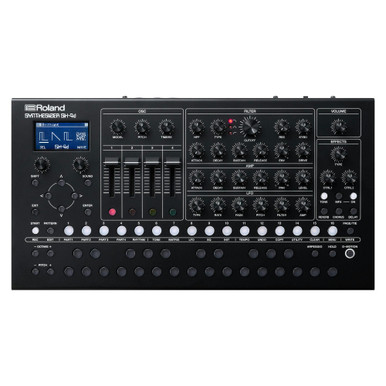
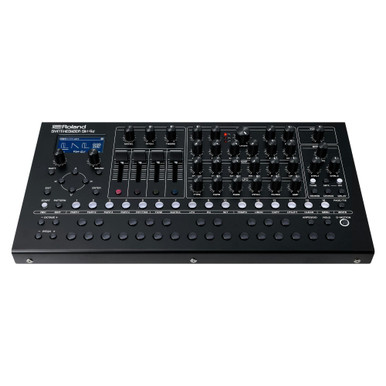
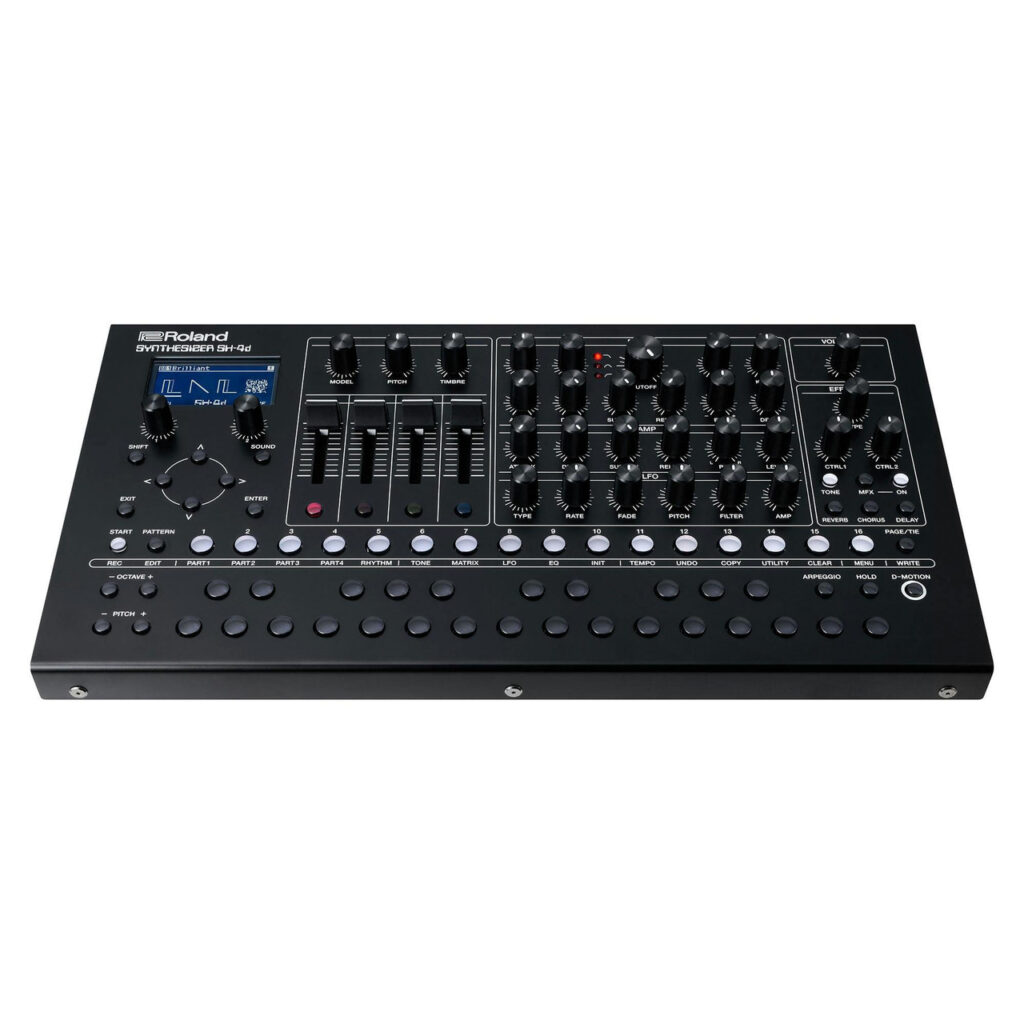
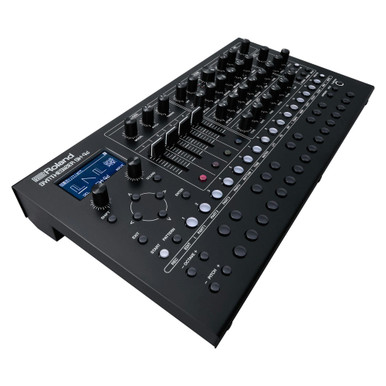
The Roland SH-4d is a desktop synthesizer with multiple oscillator models, four tone parts, a rhythm part and pattern sequencing. Rather than contributing only one sound at a time, it can build a layered electronic sketch with bass, chords, a lead or texture and drums inside one compact unit.
Its 13 oscillator models give the tone parts different starting characters, while the hands-on panel makes it practical to shape sounds during a pattern. Battery operation and USB-C add portability, and the front-panel buttons and controls let the box work as more than a static sound module.
The trade-off is density. A multi-part instrument asks you to keep track of sounds, patterns and part selection, and the compact button keyboard is not a substitute for a full playing surface. Add a MIDI keyboard when performance matters, or enjoy it as a self-contained pattern machine.
Best match: producers who want several synth parts and drums working together without a laptop.
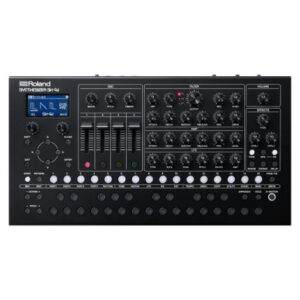
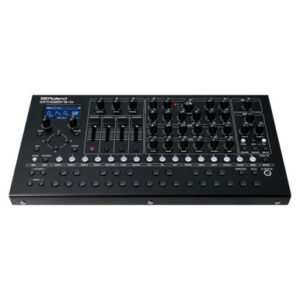

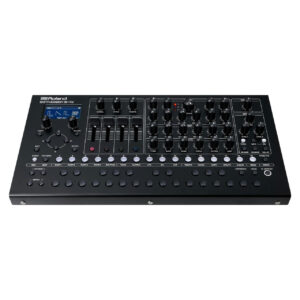
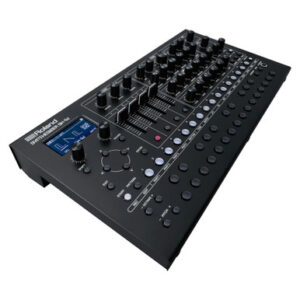
Roland SH-4D Desktop Synthesizer
£531.00Check out this New Roland SH-4D Desktop Synthesizer from Roland on synthforsale, it is in our Synthesizers department and ready for UK delivery. Read More below for more images and how to order.
3. Korg modwave mkII — best for wavetables and evolving motion
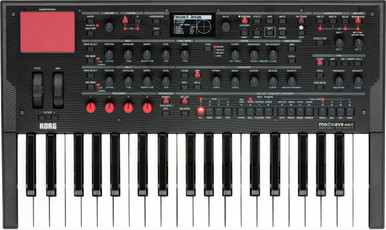
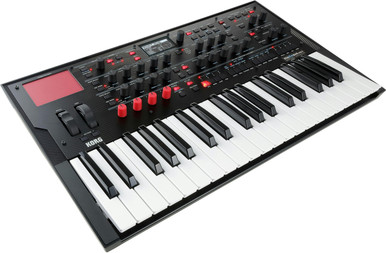
The Korg modwave mkII is built around wavetable oscillators, broad filter choices, motion sequencing and Kaoss Physics modulation. Its increased stereo polyphony gives it room for layered, animated patches that can keep changing long after a note begins.
It excels at glassy keys, shifting pads, digital basses, cinematic movement and sounds that transform rhythmically inside a track. Motion sequencing can animate many parameters, while the performance surface makes complex modulation playable rather than entirely pre-programmed.
This depth comes with a learning curve. If you mainly want simple analogue basses, much of the architecture may go unused. Choose it when the changing internal movement of a sound is part of the composition, not merely decoration added later.
Best match: ambient, techno, soundtrack and experimental producers who want detailed digital motion.
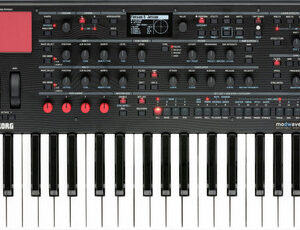
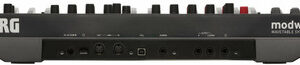


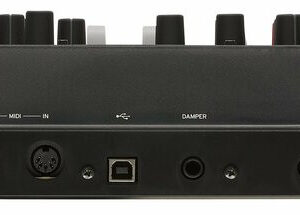
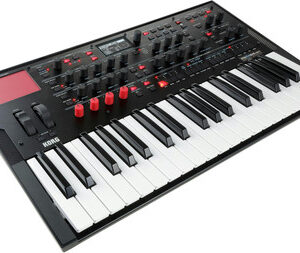
Korg Modwave MkII Synth
£449.00Check out this New Korg Modwave MkII Synth from Korg on synthforsale, it is in our Synthesizers department and ready for UK delivery. Read More below for more images and how to order.
4. Korg opsix mkII — best for modern FM textures
The Korg opsix mkII takes six-operator FM synthesis and makes it feel more like a performance instrument. Operators can do more than traditional FM duties, with modes that include ring modulation, filter functions, wavefolding and effects. A choice of algorithms and substantial polyphony allows dense digital arrangements as well as sharp monophonic parts.
It is a natural choice for metallic percussion, electric keys, hard-edged basses, precise bells and animated digital pads. The coloured operator controls help reveal relationships that older FM interfaces often hid behind small screens and parameter pages.
FM still rewards patient listening. Small level changes can produce dramatic tonal shifts, and the best results come from learning how carriers and modulators interact. The opsix makes that exploration friendlier, but it does not turn FM into subtractive synthesis.
Best match: producers who want recognisably digital character and deeper control than a preset FM instrument offers.
5. Behringer DeepMind 12 — best for classic analogue polyphony
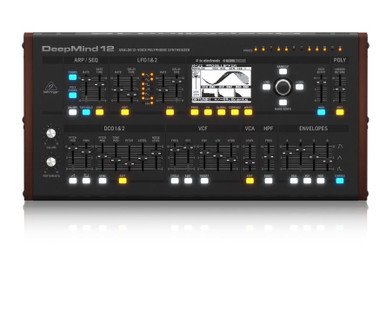
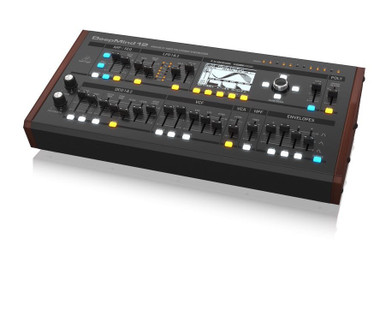
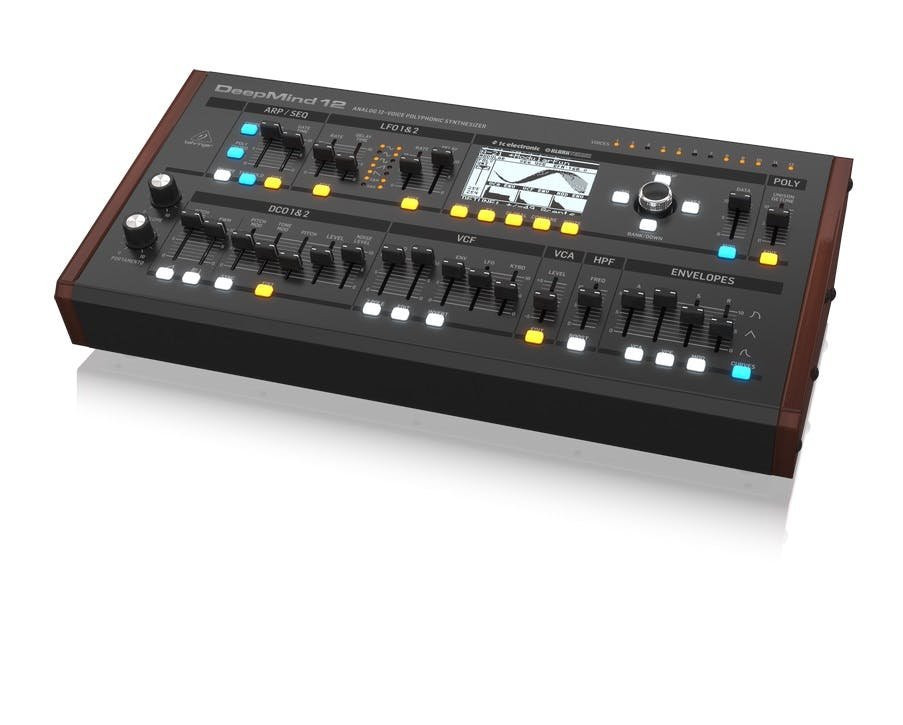
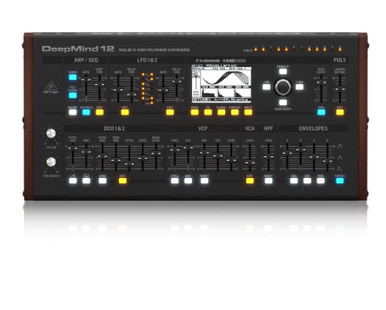
The Behringer DeepMind 12 is a twelve-voice analogue polyphonic synthesizer with two oscillators and two LFOs per voice, three envelopes, a modulation matrix, a 32-step control sequencer and four effects engines. It is well suited to warm pads, animated chords, unison lines and familiar analogue textures that need enough voices to breathe.
Twelve voices are valuable when releases are long, chords are layered or unison modes are used. The effects and modulation system also let the instrument move beyond a simple vintage-style panel, so it can sit in modern electronic productions without requiring a large chain of external processors.
The architecture becomes deeper once the display and menus are involved, and the second oscillator has a more limited role than the first. It is still the clear choice in this group when broad analogue polyphony matters more than unusual digital engines.
Best match: players and producers who want lush analogue chords, pads and layered performance sounds.
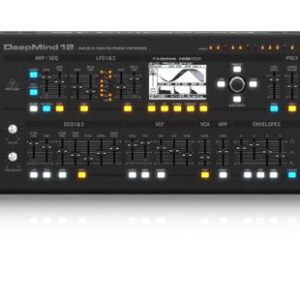
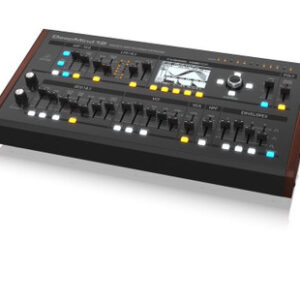

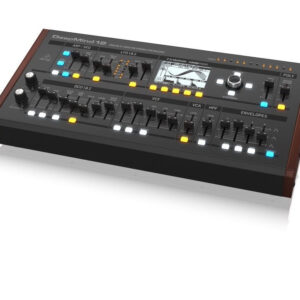
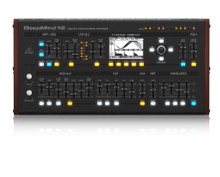
Behringer DeepMind 12 Desktop Module Synthesizer
£459.00Check out this New Behringer DeepMind 12 Desktop Module Synthesizer from Behringer on synthforsale, it is in our Synthesizers department and ready for UK delivery. Read More below for more images and how to order.
How to choose an electronic-music synth
Choose a role before a feature list
Decide whether the synth will be your main keyboard, a specialist texture machine, a bass and lead voice or a multi-part sketchpad. A feature matters only when it supports that role.
Consider the rest of the track
A huge pad can sound impressive alone and leave no space for vocals or drums. Listen for how quickly a synth can reach useful, mixable sounds as well as how spectacular its demonstration patches can be.
Check sequencing and synchronisation
For a hardware setup, confirm MIDI, USB and analogue clock options. A powerful internal sequencer is valuable if the synth will lead patterns; it matters less when a DAW or groovebox already controls everything.
Do not confuse more voices with a better instrument
Polyphony is essential for chords and long releases, but a focused monophonic part may be exactly what a track needs. Buy enough voices for the musical role, not the largest number on the specification sheet.
Which one should you choose?
Choose the MiniFreak for hybrid range, the SH-4d for multi-part pattern writing, the modwave mkII for evolving wavetables, the opsix mkII for modern FM or the DeepMind 12 for analogue polyphony. If you still cannot choose, return to the role: the synth that fills a clear gap in your music will be more useful than the one with the longest feature list.
Read next
Five of the Best Bass Synthesizers in 2026
Five of the Best Grooveboxes in 2026
How to Connect and Synchronise Synthesizers, Drum Machines and Grooveboxes
-
-
Five of the Best Grooveboxes in 2026
Five of the Best Grooveboxes in 2026
A good groovebox lets you create beats, basslines, melodies and complete arrangements without constantly reaching for a computer. It combines several music-making tools inside one hands-on instrument, making it ideal for capturing ideas, building tracks and performing live.
For this guide, we have selected five established grooveboxes that offer genuinely different ways of working. Some are immediate and beginner-friendly, while others provide deep sampling, sequencing and complete standalone production.
There is no single groovebox that will suit everybody. The best choice depends on whether you value portability, sampling, live performance, simplicity or the ability to produce an entire track in one machine.
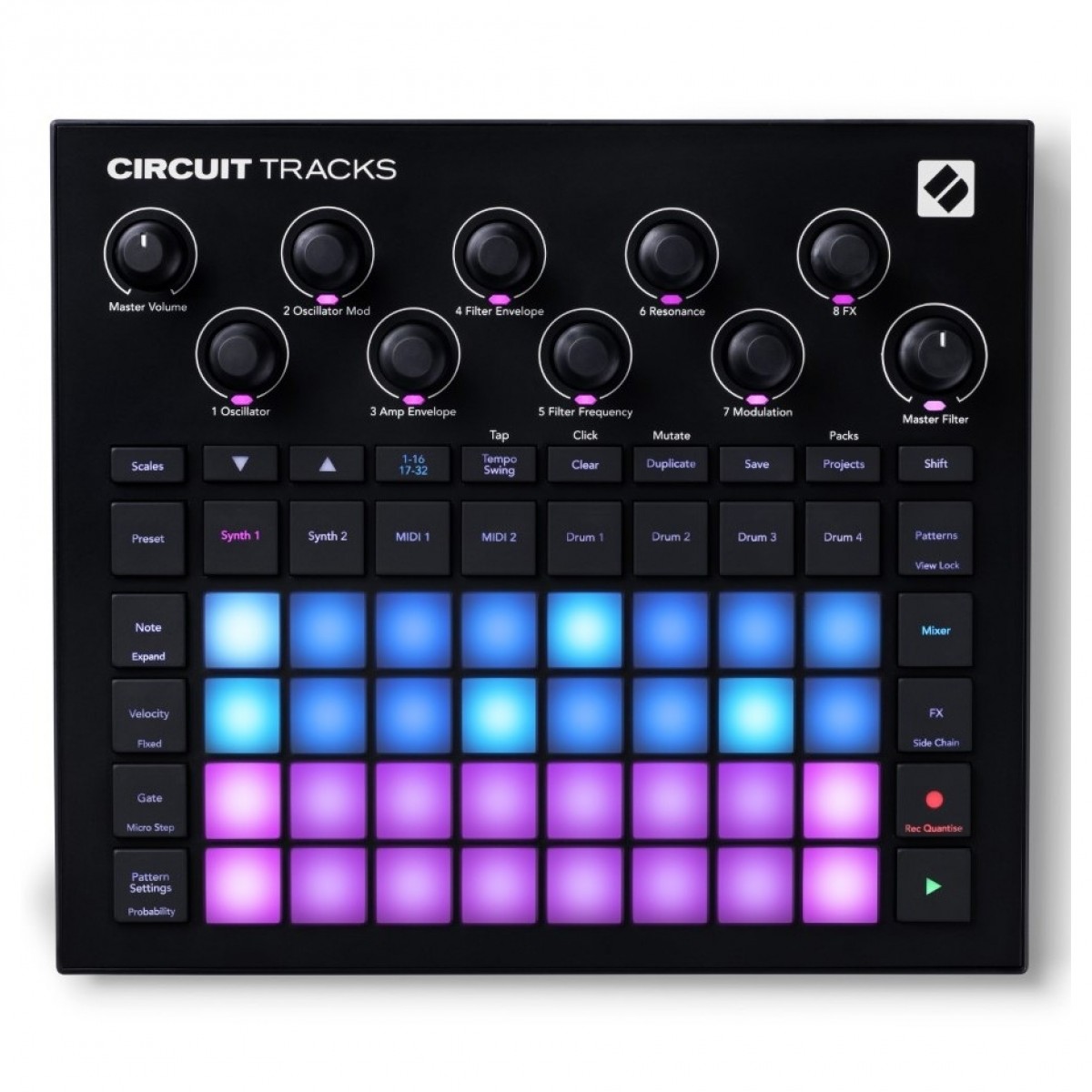
1. Novation Circuit Tracks
Best for beginners and immediate music-making
The Novation Circuit Tracks remains one of the most approachable ways to start making electronic music without a computer.
It combines two polyphonic synthesiser tracks, four sample-based drum tracks and two MIDI tracks for controlling other instruments. Its colourful 32-pad layout provides a clear visual representation of patterns and sequences without relying on a screen.
Circuit Tracks is particularly good for musicians who want to begin creating quickly. Patterns can be combined into Scenes, modulation can be recorded, and effects can be controlled directly from the front panel.
The rechargeable battery provides up to four hours of use, while MIDI connections and audio inputs allow Circuit Tracks to become the centre of a larger hardware setup.
Why choose it?
- Fast, screen-free workflow
- Two synthesiser tracks and four drum tracks
- Two additional MIDI tracks
- Rechargeable battery
- Excellent for beginners and experienced performers
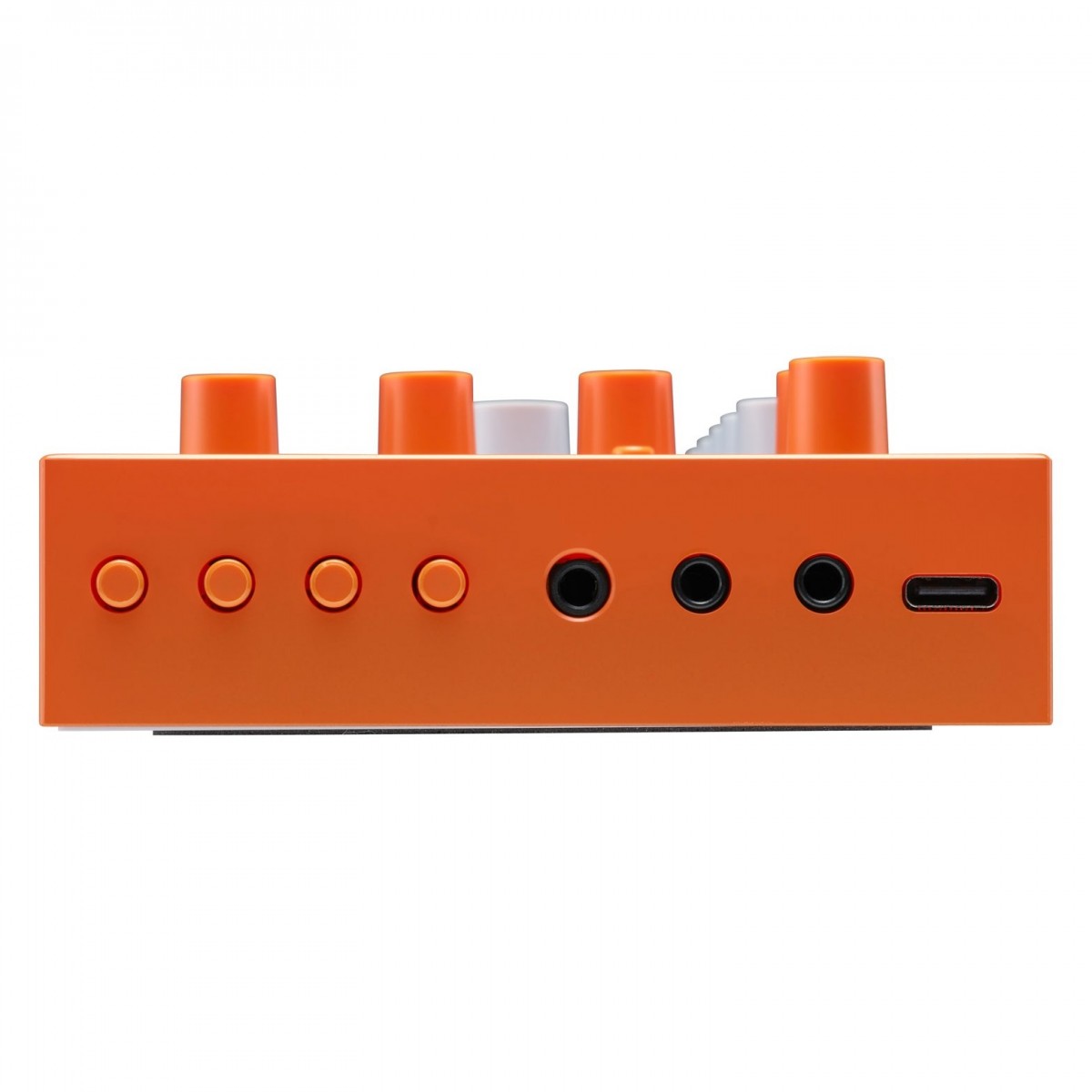
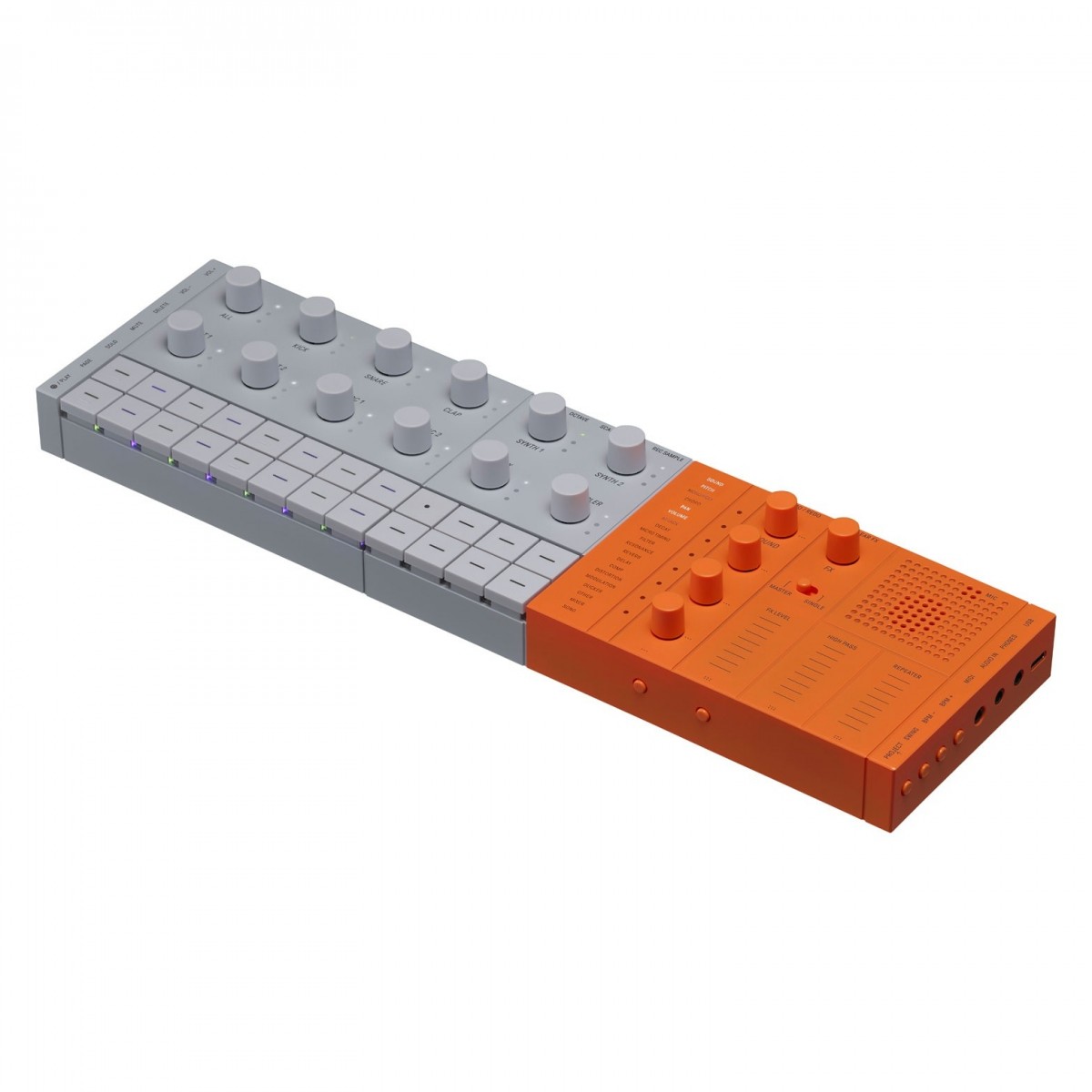
2. Yamaha SEQTRAK
Best portable groovebox
The Yamaha SEQTRAK packs drums, synthesis, sampling and sequencing into a remarkably compact instrument.
Its 11 tracks include dedicated drum, synthesiser, DX and sampler sections. Yamaha has also included an extensive collection of preset sounds, combining its AWM2 sample-based engine with four-operator FM synthesis.
SEQTRAK is designed for capturing ideas wherever they appear. It has a rechargeable battery, built-in speaker and microphone, so you can begin creating without connecting additional equipment.
The controls are divided into clear sections for building rhythms, adding melodic parts and shaping a finished track. Deeper editing, visualisation and video creation tools are available through the accompanying SEQTRAK app.
- Compact and lightweight
- 11-track production system
- AWM2 and FM synthesis
- Built-in sampling
- Rechargeable battery, speaker and microphone
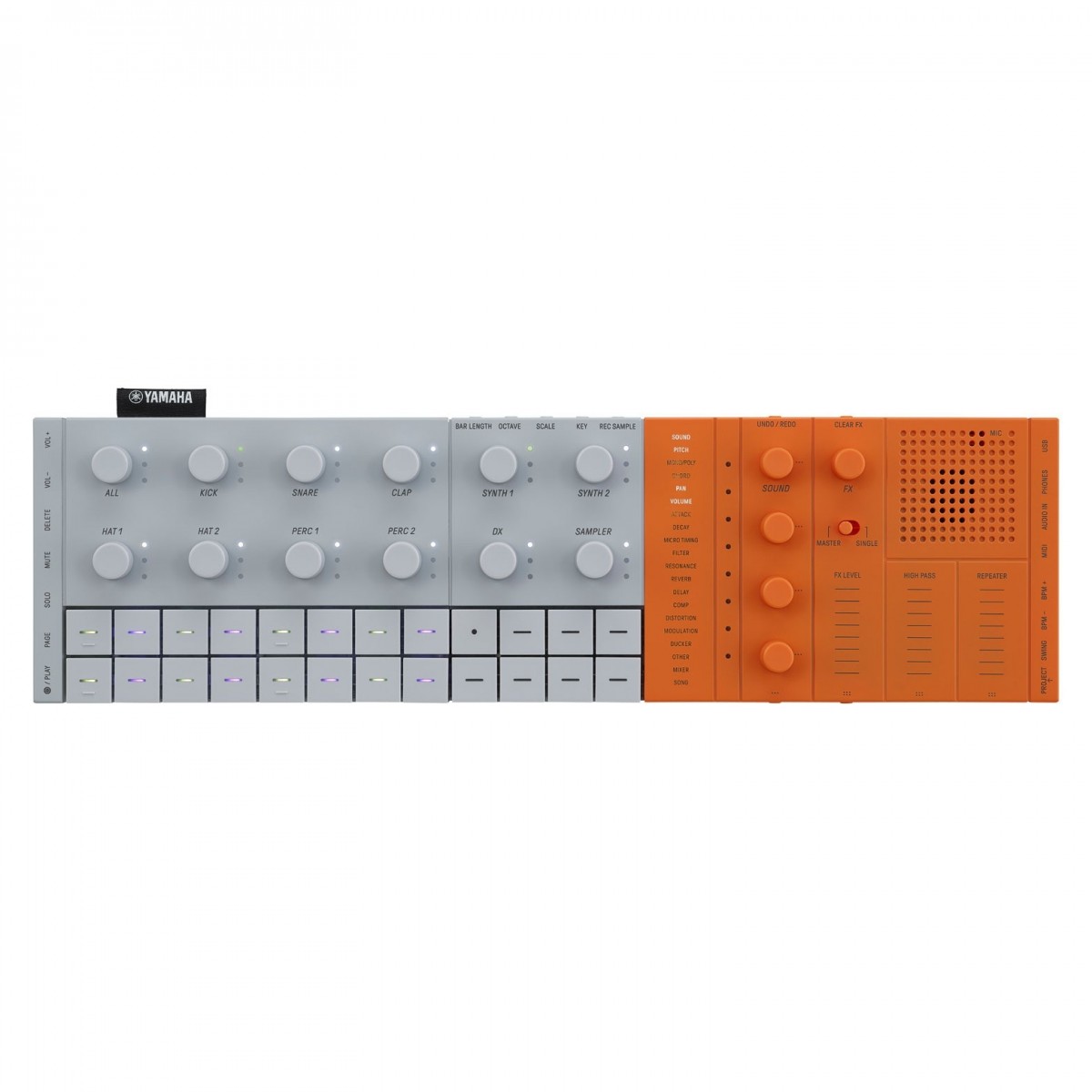
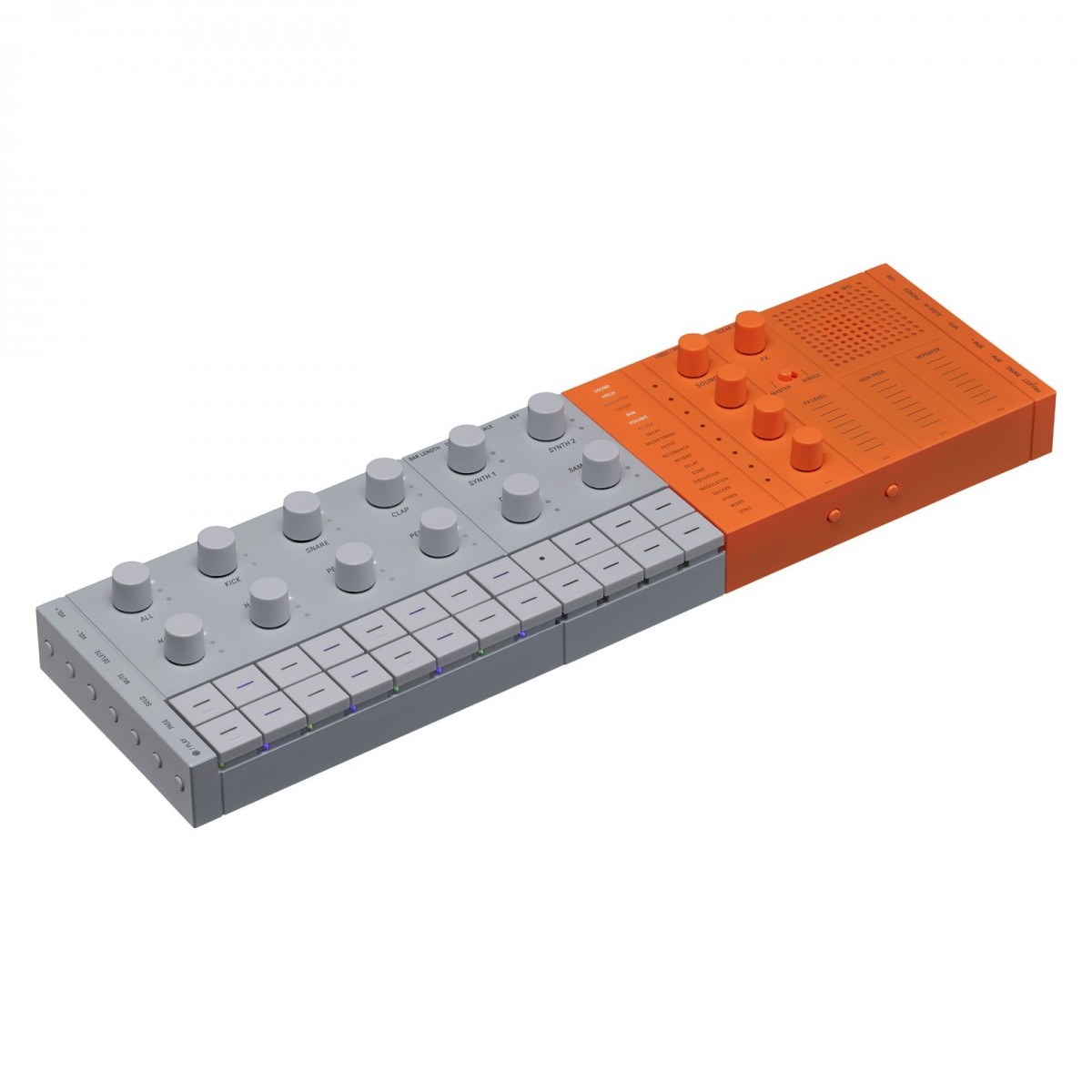
Yamaha SEQTRAK Orange
£399.003. Elektron Digitakt II
Why choose it?
Best for sampling and detailed sequencing
The Elektron Digitakt II is the most sampling-focused machine in our selection.
It provides 16 flexible tracks that can be used for audio or MIDI, allowing samples and external instruments to be combined within the same project. It supports stereo and mono samples and includes Elektron’s powerful 128-step sequencer.
The real strength of the Digitakt II is the amount of control it provides over individual sounds. Samples can be sliced, filtered, modulated and transformed into something completely new. Parameter locks allow different settings to be applied to individual sequencer steps, producing constantly changing rhythms and textures.
Digitakt II has a steeper learning curve than Circuit Tracks, but it rewards the time spent understanding it. It is an excellent choice for experimental electronic music, intricate rhythms and musicians who want to build a performance around their own samples.
Why choose it?
- 16 flexible audio or MIDI tracks
- Stereo sampling
- Powerful 128-step sequencer
- Deep sound manipulation
- Excellent control of external MIDI equipment
4. Roland MC-707
Best for live electronic performance
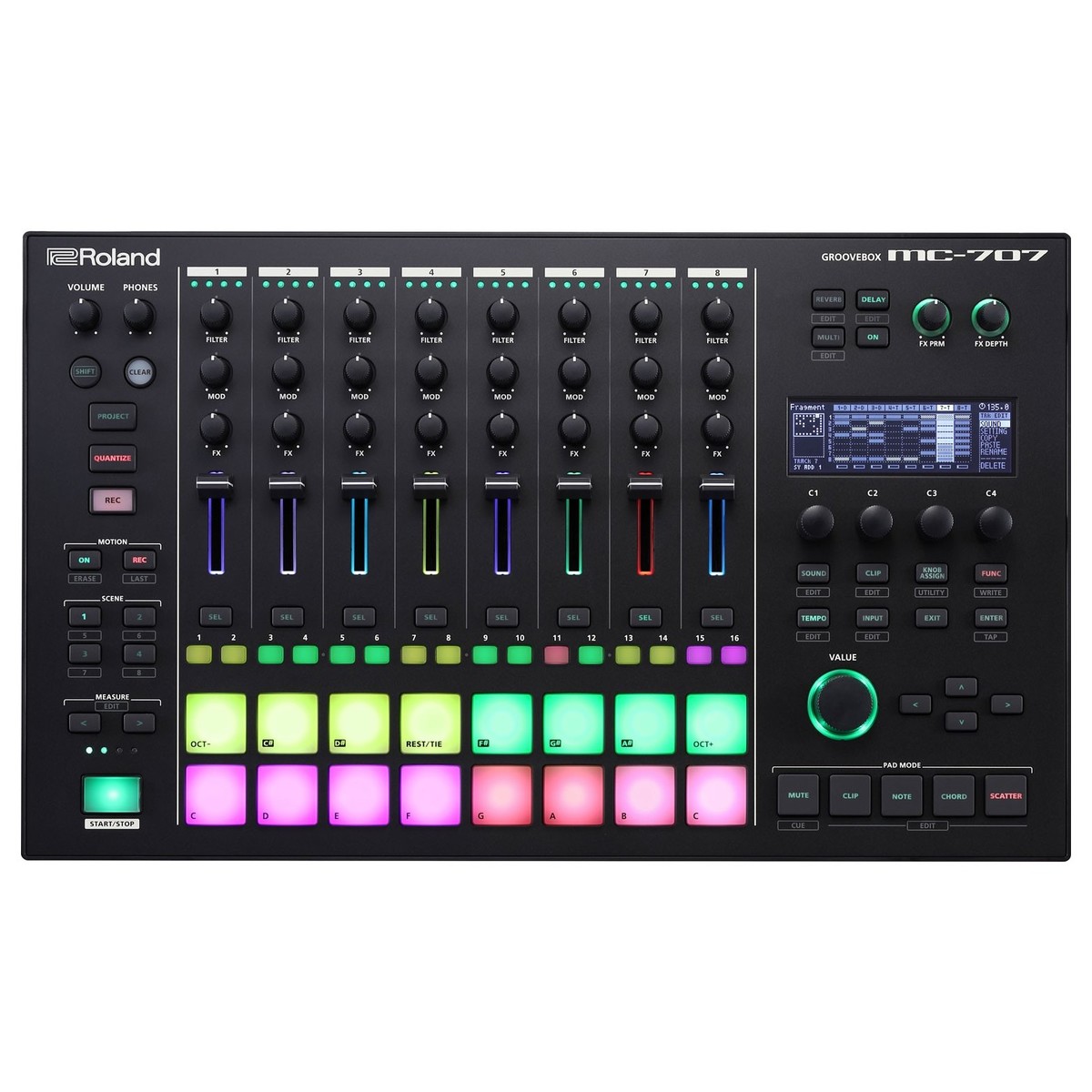
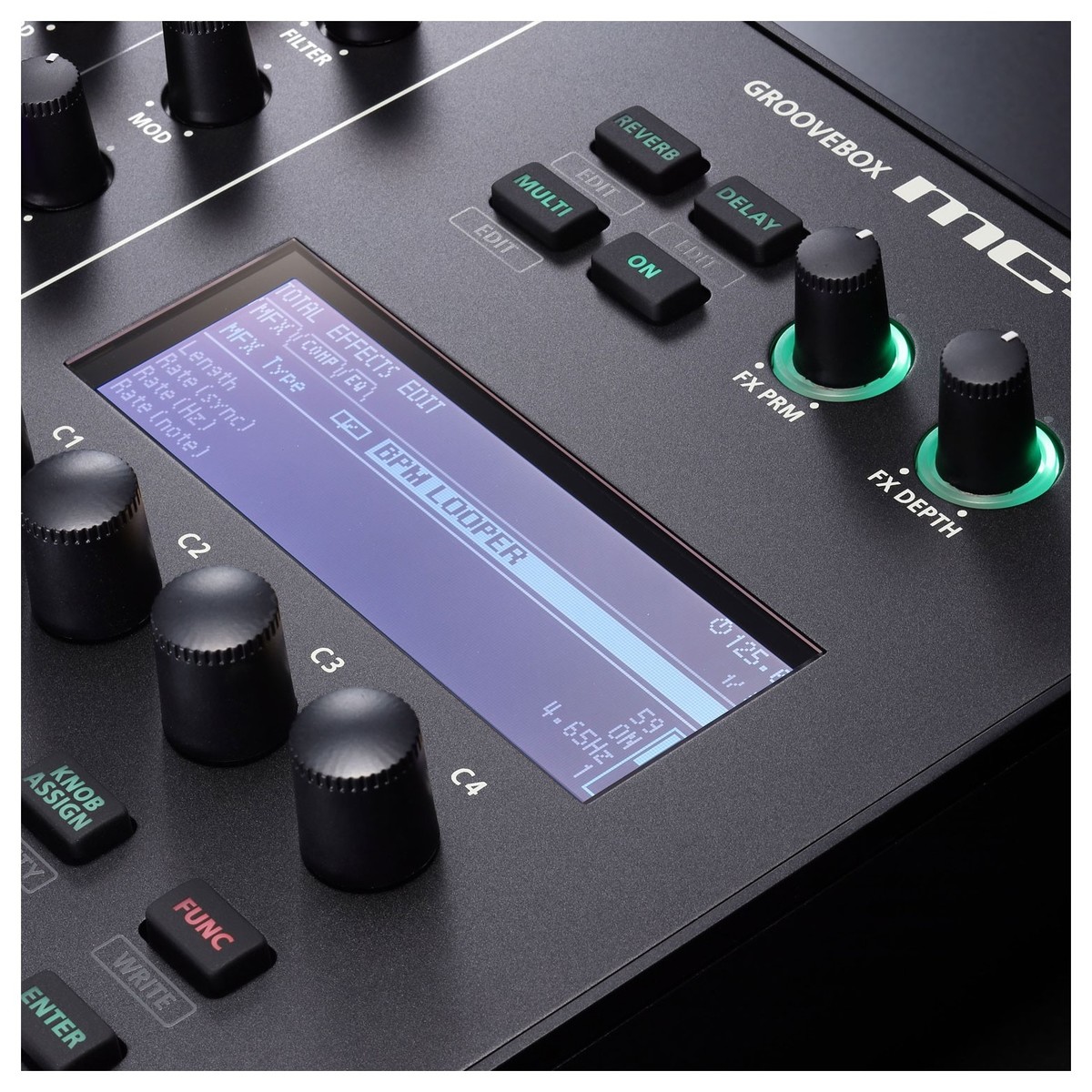
The Roland MC-707 is a substantial eight-track groovebox built for creating complete arrangements and performing them live.
Each track can contain synthesiser sounds, drums or audio loops. Clips can be arranged into Scenes, making it easy to move between different sections of a track during a performance.
Roland’s ZEN-Core sound engine supplies a huge collection of synthesiser and drum sounds, including instruments inspired by classic Roland machines. The MC-707 also includes sampling, effects and hands-on controls for shaping sounds as they play.
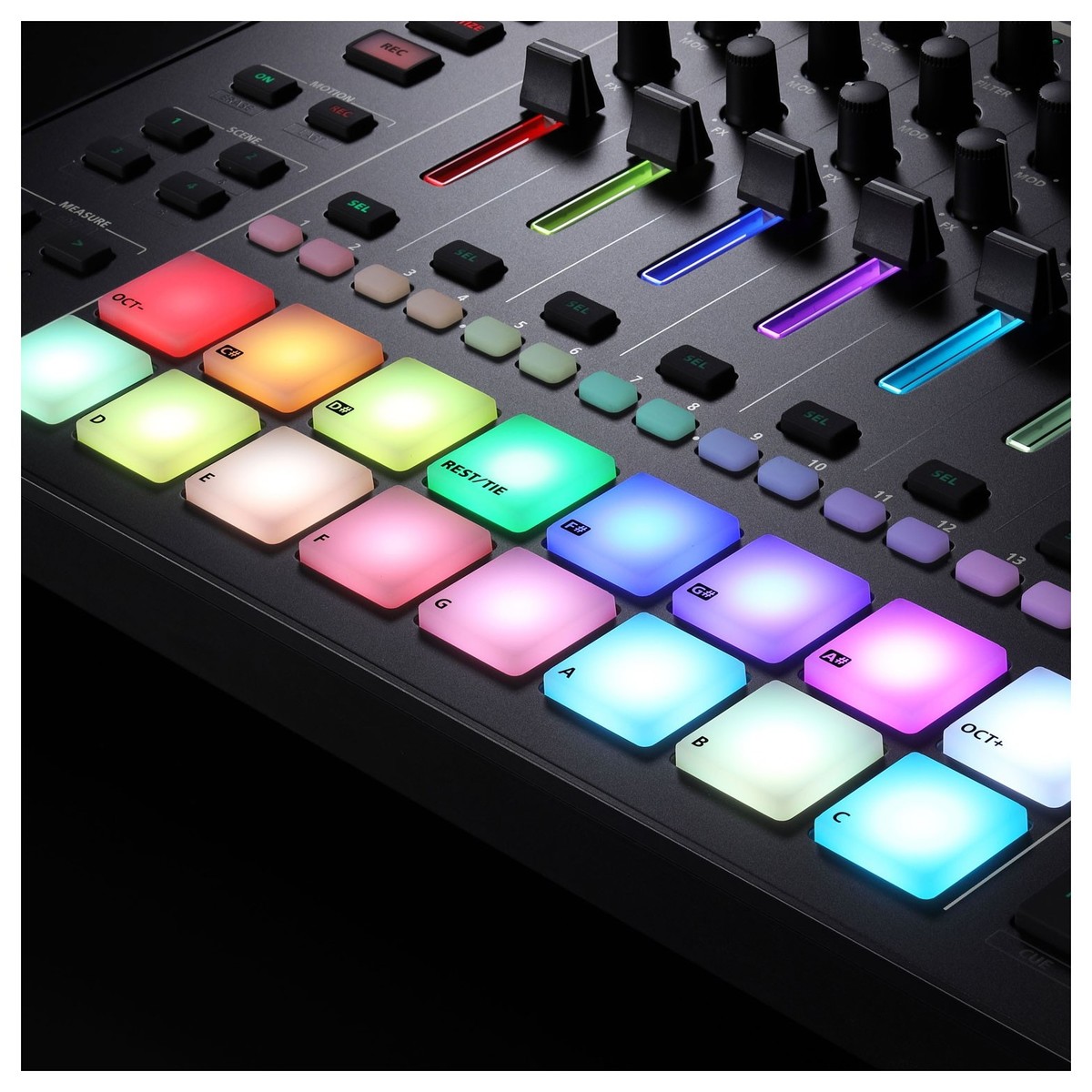
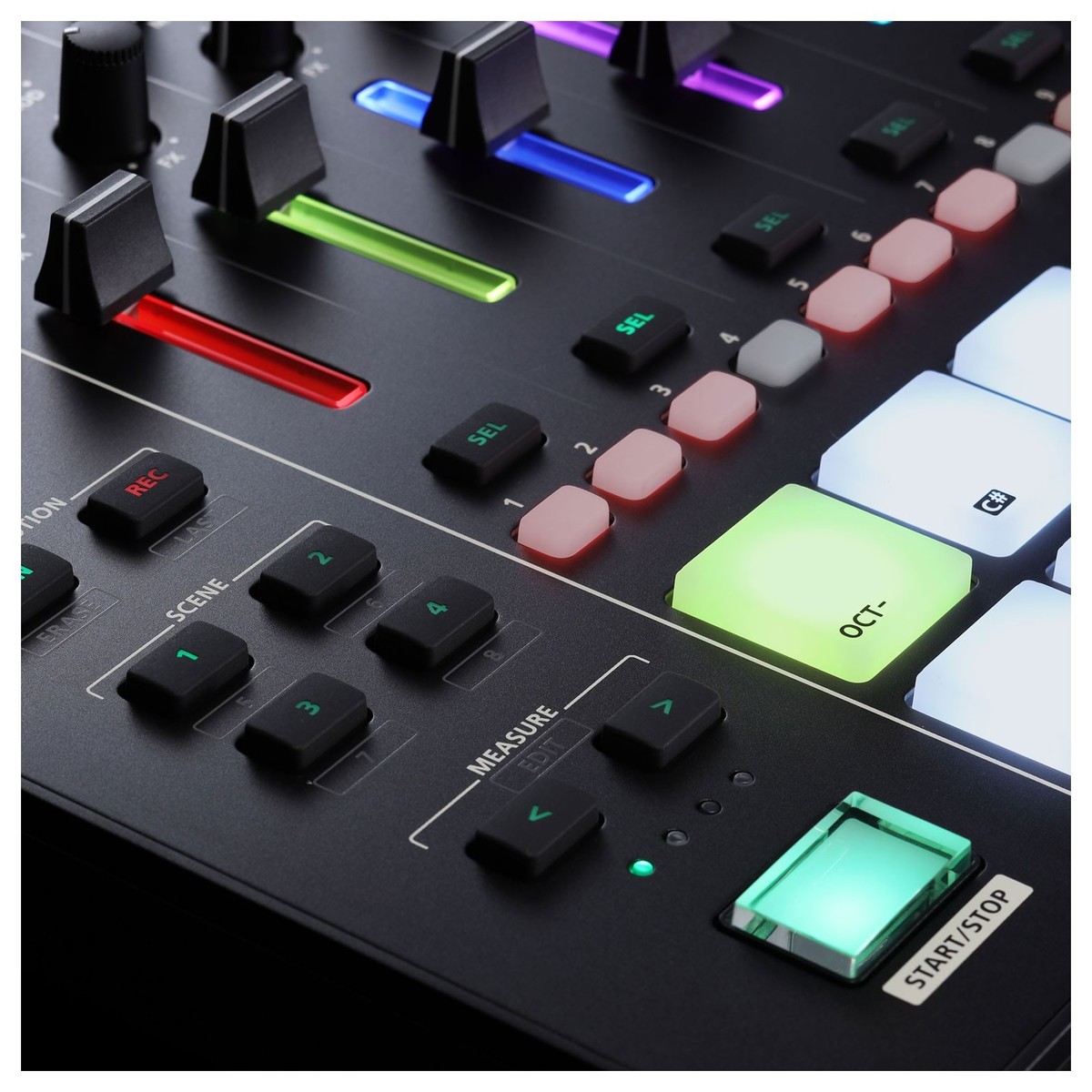
Dedicated faders provide immediate control over all eight tracks, while the pads can be used for playing drums, entering melodies and triggering clips. This makes the MC-707 feel more like a playable instrument than a compact programming box.
Why choose it?
- Eight-track standalone production
- ZEN-Core synthesiser engine
- Sampling and clip-based sequencing
- Dedicated track faders
- Excellent hands-on performance controls
Roland MC-707 Groovebox
£858.005. Akai MPC One G2
Best complete production system
The Akai MPC One G2 is the most complete standalone production machine in this guide.
It builds upon the established MPC workflow with a new eight-core processing system, 4GB of RAM and support for up to 16 stereo audio tracks. It can be used for sampling, sequencing, recording, arranging and mixing complete pieces of music.
The MPC’s velocity-sensitive pads remain at the centre of the experience, but the large touchscreen provides access to detailed editing, software instruments, effects and arrangement tools.
Unlike a simpler groovebox, the MPC One G2 can operate as the heart of an entire studio. It can control external MIDI instruments, record audio and take a project from its first drum pattern through to a finished arrangement.
It offers considerably more depth than most grooveboxes, although that also means there is more to learn. For musicians seeking one standalone machine capable of handling almost every stage of production, it is the strongest all-round choice here.
Why choose it?
- Complete standalone music production
- New eight-core processing system
- Up to 16 stereo audio tracks
- Sampling, synthesis, sequencing and recording
- Powerful MPC pads and touchscreen workflow
Which groovebox should you choose?
Choose the Novation Circuit Tracks if you want an immediate, enjoyable and screen-free introduction to grooveboxes.
Choose the Yamaha SEQTRAK if portability is your priority and you want to create using an instrument with its own battery, speaker and microphone.
Choose the Elektron Digitakt II if sampling, sound manipulation and intricate sequencing are central to your music.
Choose the Roland MC-707 if you want tactile controls, eight tracks and a groovebox designed for live electronic performance.
Choose the Akai MPC One G2 if you want a complete standalone production system capable of taking a track from its first beat to a finished arrangement.
Whichever one you choose, a groovebox can offer something that software often struggles to reproduce: a focused, physical and genuinely enjoyable way to make music.
SynthForSale may earn a small commission when you purchase through links on this page. This does not affect the price you pay.
-
Five of the Best Drum Machines in 2026
Five of the Best Drum Machines in 2026
There are hundreds of drum machines for sale, from tiny beat-making boxes to complete standalone production studios. We looked at what musicians are buying and reviewing on Amazon UK, then selected five established machines that offer something genuinely different.
1. Roland AIRA Compact T-8 – best portable drum machine
The Roland T-8 squeezes sounds inspired by the TR-808, TR-909 and TR-606 into a remarkably small box, while adding a bass track derived from the legendary TB-303.
It is affordable, rechargeable and enormous fun. The controls are necessarily small, but this is our favourite choice for beginners, travelling musicians or anyone wanting classic Roland beats without occupying half a desk.
2. Korg Volca Drum – best for experimental sounds
The Volca Drum is not merely another collection of familiar sampled drums. Its six-part digital percussion engine lets you construct strange metallic hits, deep kicks, unusual textures and sounds that do not resemble conventional drums at all.
It is compact and reasonably priced, although its small controls require a little patience. Choose this one if sound exploration matters more than recreating a traditional drum kit.
Korg Volca Drum
£111.003. Arturia DrumBrute Impact – best analogue drum machine
The DrumBrute Impact offers ten punchy analogue sounds, an immediate hands-on sequencer and Arturia’s useful “Color” controls for creating variations.
Its sound palette is more focused than a sample-based machine, but that is part of its appeal: switch it on, programme a rhythm and start turning controls. It is particularly good for techno, house and other styles that benefit from raw, forceful analogue drums.
Arturia Drumbrute Impact
£246.004. Roland TR-8S – best for live performance
The TR-8S combines Roland’s celebrated drum-machine sounds with FM tones, effects and the ability to import your own samples. Its faders and performance controls make it easy to build, mix and transform rhythms while they are playing.
It costs considerably more than the T-8 or Volca Drum, but it is the strongest choice here for serious live performance and musicians wanting one flexible drum machine that can remain at the centre of their setup.
5. Akai MPC One+ – best complete production machine
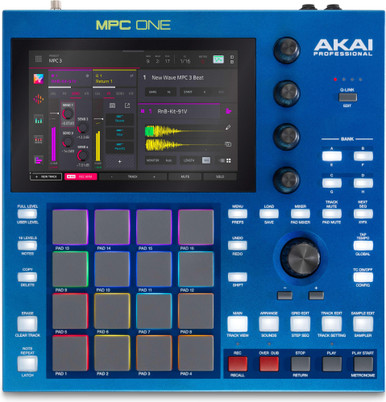
The MPC One+ goes far beyond ordinary drum programming. It combines responsive pads, sampling, sequencing, effects and software instruments in a standalone production workstation.
There is more to learn than with the other machines on this list, but it can take an idea from its first beat to a finished arrangement without requiring a computer. Choose it if you want to build complete tracks rather than rhythms alone.
Which drum machine should you choose?
For portability and instant fun, choose the Roland T-8. The Korg Volca Drum is our experimental choice, while the DrumBrute Impact delivers direct analogue punch. The Roland TR-8S is best suited to live performance, and the MPC One+ is the most complete music-production system.
Whichever approach suits you, a good drum machine should make you want to press buttons, experiment and create another beat.
As an affiliate partner, SynthForSale may earn a small commission when you buy through our links, at no additional cost to you.
-
-
Arturia BeatStep Compact USB Sequencer
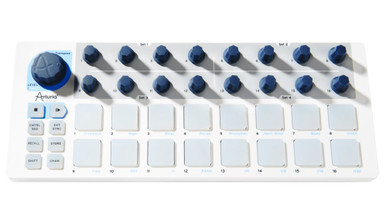
The Arturia BeatStep: the only thing with more power in a small space is a neutron star! Seriously when you consider the size (and price!) of the BeatStep it would be worth it just for a simple sample pad, but of course being Arturia the BeatStep is so much more than that! Whether you choose to use it as a sampler or a sequencer or both you’ll be surprised just how much you can achieve with this little controller!
Here’s what Arturia say about BeatStep
BeatStep is designed to give you the control you need whether it is in conjunction with your favorite DAW or loop triggering software, VST Instrument or Effect, Drum software, DJ application, MIDI synth or even CV/GATE equipped analog gear. The possibilities are nearly endless.
BeatStep fulfills multiple requirements for a wide variety of musicians. It is a true chameleon in that it can become many things to many people. No other compact pad controller on the market offers this level of control along with a step sequencer at such an amazing price.
WHAT CAN YOU DO WITH IT ?
Play with any drum software
Beatstep’s 16 pads are both pressure and velocity sensitive which means that they allow you to capture the nuances of your performance. Beastep is the perfect control surface for producers and percussionists using iPads or software instruments such as BFD, Kontakt, Live’s Drum Rack, EZ Drummer, Addictive Drums, Geist or Reason Kong.Sequence Analog And Software Syntesizers
BeatStep goes beyond the typical pad controller functions by adding a step sequencer. This opens it up for people who are using either MIDI modules, CV/GATE synths like the MiniBrute or MicroBrute and also to people using plug-ins on their computer via USB. While your sequence is playing switch to Controller mode and use the pads and knobs to enable and disable effects or tweek filters, attack and decay times on plug-ins, etc. BeatStep will allow you to create new ideas and add to your live performances in unlimited ways.Enhance Your Live Performances And DJ Sets
Wether you use Ableton Live, Traktor, Serato or any other DJ/clip playback software, the Beatstep pads are perfect for launching samples or enabling effects. The 16 encoders give you lots of possibilities of mapping them to eq’s, filters, delays and other performance effects. BeatStep makes a stylish and portable companion to your other DJ control surfaces.
Control Your MIDI Compatible GearsBeatstep is the perfect solution for stage performers looking for a solution to send Midi messages and control changes to their hardware gear and workstations. Thanks to the included Midi Control Center, mapping Beatstep to your needs becomes a breeze.
MIDI CONTROLLER MODE
With 16 velocity and pressure sensitive pads, BeatStep is the perfect compact solution for playing percussion. The ultra sensitive pads allow for great dynamic performances. The 16 encoders can be assigned to adjust parameters that allow further real-time control over your drum sounds.
Add to this the 16 user presets and you can have controller setups for all occasions.The 16 pads can be individually set to be used for :
- 1. note generation
- 2. MIDI CC buttons
- 3. Sending program change messages
When used as note sending pads, these ultra sensitive backlit pads can send velocity and pressure information and support both Gate and Toggle modes of operation.
This allows you to use them to play drum and percussion parts using a drum module, or you can use them to trigger notes and hold drone notes in Toggle mode on a synthesizer.
In MIDI CC mode the pads could be used as assignable switches for your favorite DAW functions or used to trigger clips or effects in a Looping DAW or DJ application.
In MIDI Program change mode you can send program change messages as well as bank change messages.
STEP SEQUENCE MODE
The Step sequence mode turns BeatStep into a completely different product. A step sequencer is the most basic type of music sequencer. They were popular in the 1960’s and 70’s. They have come back into fashion with the popularity of modular synthesizers. There are examples of step sequencers in our Arp2600 V, Modular V, and Jupiter 8 V software.
In SEQ mode, the pads and encoders work together to set and enable steps in a sequence and set pitches for each step.
By simply pressing a pad, it will enable or disable the current step in a melodic pattern. With a few presses, you are creating and changing up musical patterns in real-time.BeatStep allows for 16 sequences to be stored in memory and recalled instantly. This allows you to play multiple patterns and create your own songs.
Setting pitches on a step sequencer can be difficult, to allow you to find the notes you want we added scale modes that quantize the pitches of the encoders to a specific set of notes. This means that instead of having the encoders move up and down chromatically like most step sequencers, you can set BeatStep so that you will only be allowed to pick notes that belong to the scale you want to work in. Look ma, no wrong notes !
MASSIVE CONECTIVITY IN A LITTLE BOX
BeatStep goes beyond most other MIDI controllers by having many ways to connect to your other gear.
USB
It features USB Class compliant I/O for using it with your laptop or iPAD. This gives you the control you would expect to have from a pad controller. Control the transports on your favorite DAW, sequence your favorite plug-in, set up the encoders to modulate filters and eq’s or mixer channels. All this and more.MIDI
BeatStep does not stop where the competition stops however, we added MIDI out as well. You can use the pads to control that old drum module or the drum sounds on your workstation. Use the Step Sequencer mode to bring new life to your MIDI equipped synthesizers. This controller will give you limitless ways to create and be great with no wait, but that’s not all, there is also…CV/GATE
BeatStep has a standard 1 volt per octave CV output as well as a standard 1 volt per octave GATE output. You can directly interface them with our famous MiniBrute or MicroBrute synthesizers. Combining Beatstep’s step sequencing capabilities with a modular synth allows for all kinds of hands on control and pattern generation.TWO IN ONE AND BOTH AT ONCE
Now it is clear that this is both a pad/knob controller AND a step sequencer but it might not be clear that you can run them both at the same time.Yes, that is right. You could be using the CV/gate output from the step sequencer playing your MiniBrute and then switch to CONTROL mode and have it controlling clips on Ableton Live and using the encoders to manipulate your VST version of SEM V.
Maybe playing the drum sounds on a vintage Roland drum module via the MIDI output and sequencing a SH-101 using the CV/GATE in SEQ mode is more your style.What if you want to step sequence Jupiter 8V on MIDI ch 1 while controlling the MMC transports in Logic and playing the drum sounds from BFD on MIDI ch 10 both via USB? You can do that as well.
The combinations are truly limitless.MIDI CONTROL CENTER
The MIDI Control Center software provides you with a fast and easy way to edit parameters.Editing your MIDI setups and sequences is a cinch with this software.
Export your presets to back them up or create archives of your favorite presets to share with others.